Europe
NATO Parliamentary Assembly in Berlin calls for a step change in allied defence, with Europeans and Canada taking the lead
At its 72nd annual session in Berlin, the NATO Parliamentary Assembly called for a step change in allied defence, with European Allies and Canada taking the main role in conventional deterrence and defence in Europe within NATO.

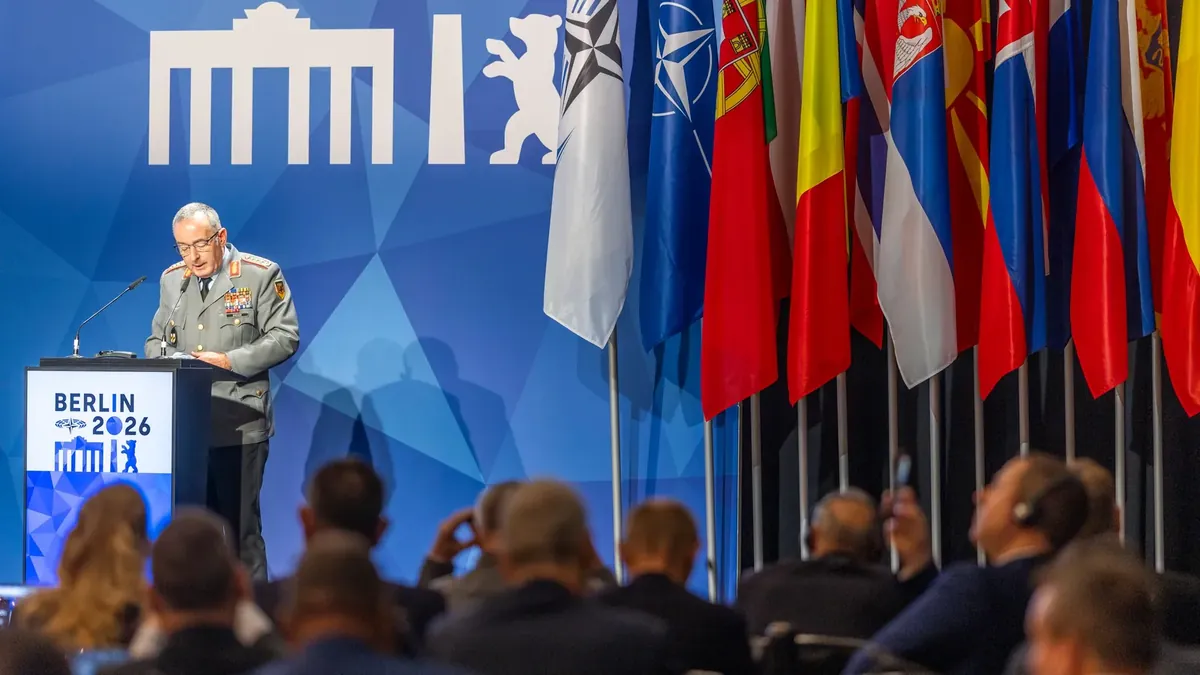
The NATO Parliamentary Assembly (NATO PA) is calling for a step change in Allied defence, with European Allies and Canada taking the leading role in conventional deterrence and defence in Europe within NATO. The message came from the Assembly’s 72nd annual session in Berlin on Saturday, November 21. The Assembly’s summary, published on Sunday, November 22, says Russia’s war against Ukraine, growing strategic competition and escalating hybrid threats make it urgent to strengthen the Alliance’s deterrence and defence further. More than 270 legislators from Allied and partner countries took part on the first day.
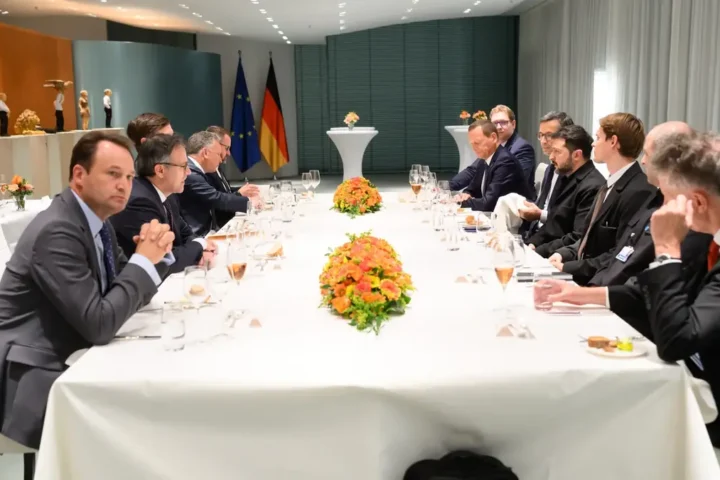
The session runs from Friday, November 20 to Monday, November 23, hosted by Germany’s Bundestag and Bundesrat. The Bundestag notes that the Assembly is meeting in Berlin again for the first time in 26 years. NATO Secretary General Mark Rutte, German Foreign Minister Johann Wadephul and, by video, Ukrainian President Volodymyr Zelensky are due to address Monday’s plenary. Ukraine, Bosnia and Herzegovina and Georgia take part as aspirant countries, and the question of Ukraine’s accession is also on this year’s agenda.
A stronger Europe within a stronger NATO
France’s Nathalie Poujeaud presented a draft resolution on “a stronger Europe within a stronger NATO”. “The distribution of responsibilities within NATO is changing. Faced with a deteriorating security environment and the readjustment of US strategic priorities, European Allies and Canada must take on a greater share of responsibility for deterrence and collective defence,” she said. The text calls for defence spending targets to be met, for the military capabilities Allies need to be acquired and for the defence industry to be strengthened. “Increased investment must be turned into deployable forces, operational readiness and capabilities for NATO’s most urgent needs,” it says.
Gen. Carsten Breuer, chief of the German armed forces and the next chair of the NATO Military Committee, told the Assembly that all European Allies have understood they must do more for their own security. “Only parliaments can approve budgets, pass legislation and support the industrial bases,” he stressed, adding that without their support every military plan stays on paper. Dutch senator Bart Groothuis argued that NATO’s target of spending 5% of GDP on defence and security could create 1.2 million jobs in Europe. His draft resolution calls for mobilising private capital and cooperating with the civilian industry.
Ukraine and the Arctic
On Ukraine, the Ukraine-NATO Interparliamentary Council approved a resolution calling for a “lasting shift” from short-term aid to defence-industrial cooperation with Kyiv. Combining Ukraine’s wartime experience in production and procurement with Allied investment, the text says, will help Ukraine continue its defence and help Allies adapt faster to modern warfare. The Arctic also had a prominent place, because of growing challenges from Russia and China. A resolution by Canadian senator Rebecca Patterson calls on parliaments to invest steadily in early-warning, intelligence and surveillance systems, anti-submarine defence, ice-capable ships and resilient communications.