Politics & Diplomacy
Russia warns NATO over Kaliningrad with nuclear threat; Rutte responds
Russia warned NATO it could use nuclear weapons if allied states tried to isolate Kaliningrad. Mark Rutte rejected the rhetoric and said the alliance is defensive.

Russia warned NATO that it could use nuclear weapons if allied countries tried to isolate Kaliningrad from the rest of the Russian Federation, according to a diplomatic note sent to the alliance. The warning places the Russian exclave on the Baltic Sea at the centre of a sharper exchange between Moscow and NATO.
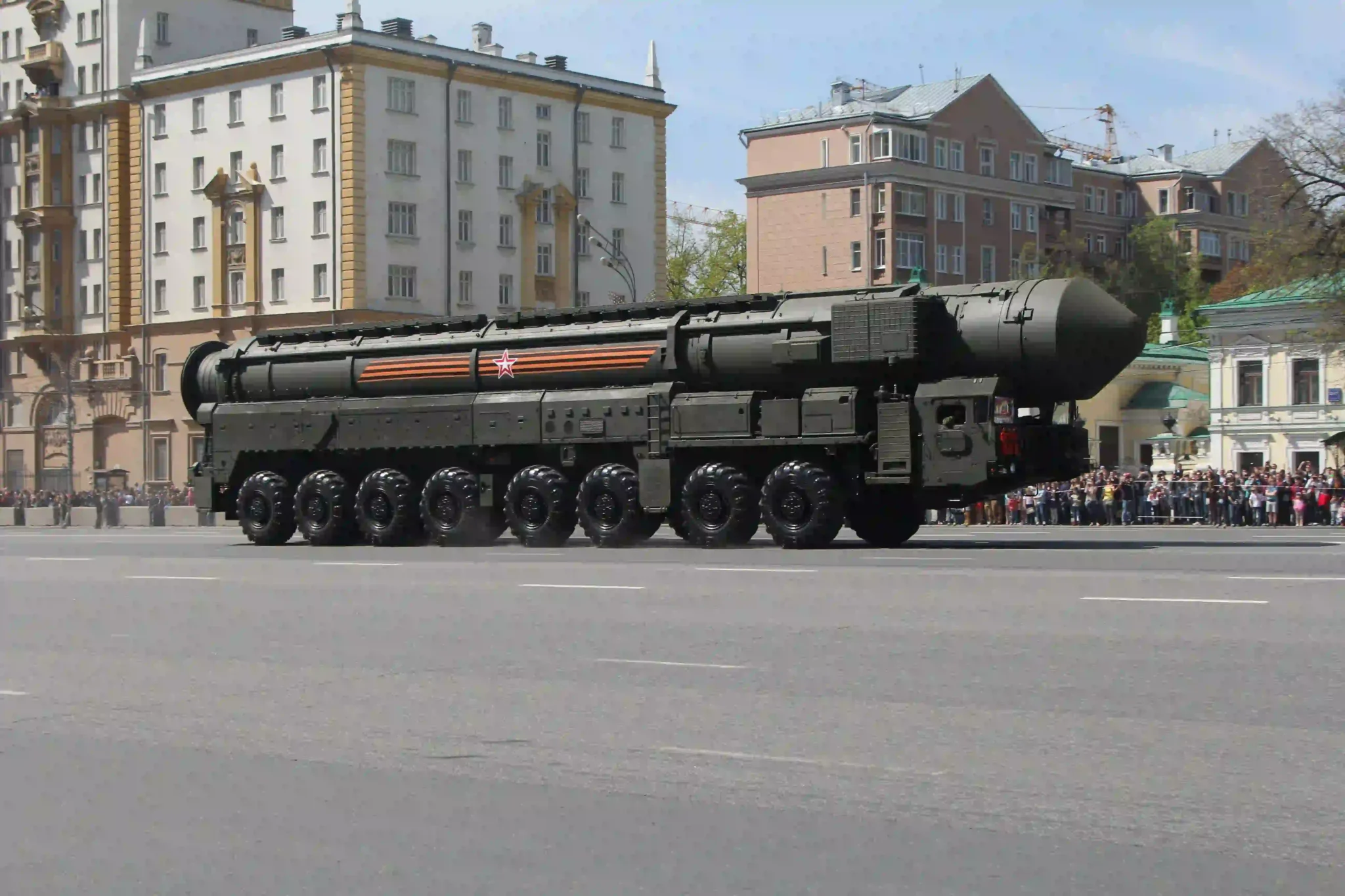
The note, reviewed by Reuters and reported on September 30, accused NATO of following a “dangerous and reckless course” that Moscow said carried a high risk of direct armed conflict. It also raised the possibility of Russian strikes on decision-making centres in allied countries at the outset of a confrontation. These are Russian threats and allegations, not a NATO plan to cut off the territory.
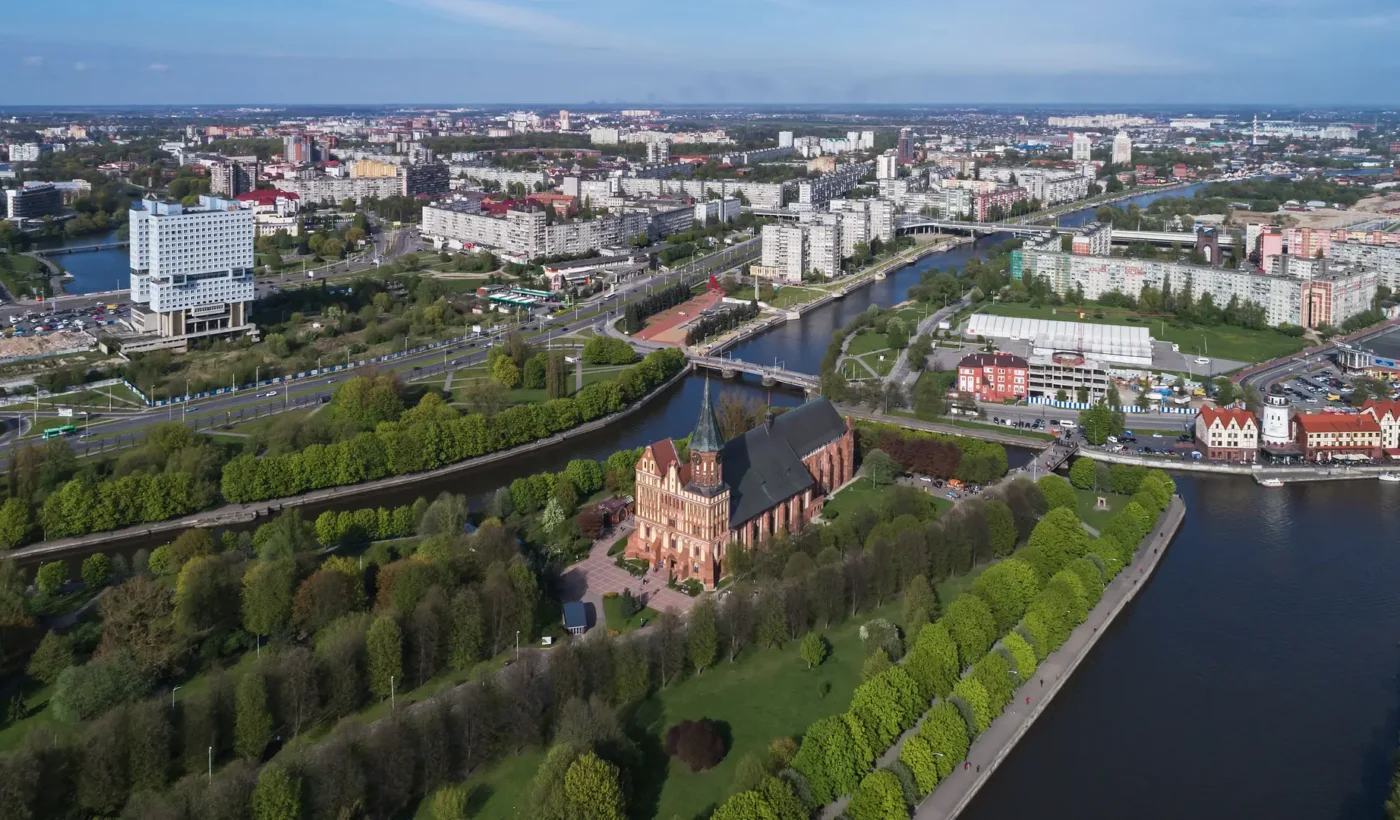
Kaliningrad lies between NATO members Poland and Lithuania, separated from mainland Russia. Its position on the Baltic Sea makes the region strategically important to Moscow. The Russian warning specified an attempt by NATO states to isolate the region as the scenario in which Russia said it would be prepared to draw on its entire arsenal, including nuclear weapons.
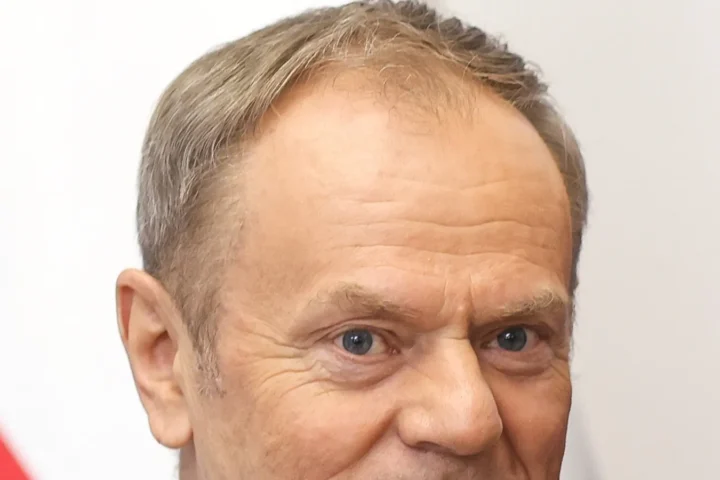
NATO Secretary General Mark Rutte rejected the nuclear rhetoric. Speaking at a defence and space conference in Brussels on September 30, he confirmed that the alliance had replied to Moscow but declined to disclose the precise contents of the Russian letter. He said NATO had stressed that it is a defensive alliance and urged Russia to stop the nuclear threats. The remarks are available in NATO’s official transcript.
Rutte also said he did not regard the letter as evidence that nuclear use against the Baltic states was now a real prospect. He said there was no imminent threat to NATO territory and that the alliance would detect and respond to a military buildup. His assessment did not dismiss the need to answer the Russian message, which he described as unhelpful.
In its written response, also reviewed by Reuters, NATO said its exercises and activities do not threaten Russian territory. The alliance called on Moscow to end its invasion of Ukraine and cease what it described as irresponsible nuclear rhetoric. Russia, for its part, has argued that allied military activity near the Baltic and support for Ukraine increase the danger of a direct clash.