Europe
Streeting in Oslo: High North security is UK homeland security, with Russian activity in British waters up 41%
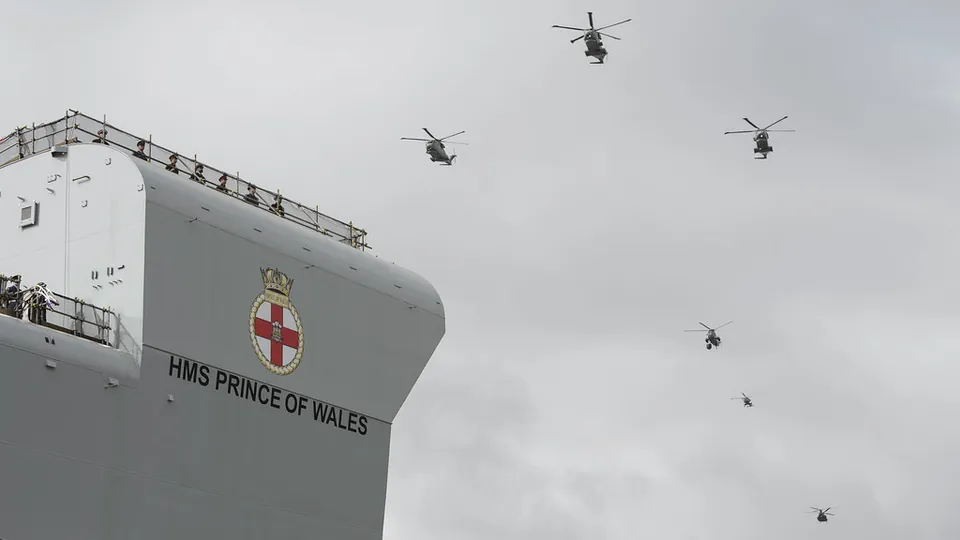
Speaking aboard HMS Prince of Wales at the Atlantic Future Forum, the UK Defence Secretary said Russia is rebuilding its High North presence and set out British commitments with Norway.

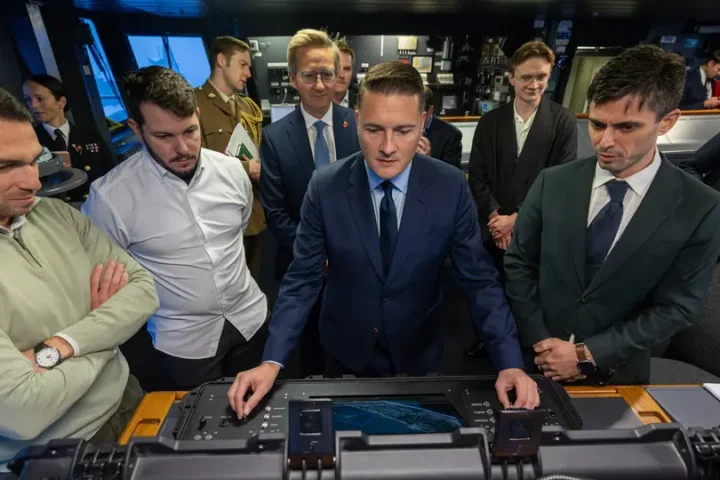
UK Defence Secretary Wes Streeting has described the High North as the front line of British homeland security, telling the Atlantic Future Forum in Oslo that Russia is rebuilding its presence in the region even as it wages war in Ukraine. He spoke aboard the carrier HMS Prince of Wales, which is taking part in Operation Firecrest, alongside Norwegian Defence Minister Sandvik.
According to the text of the speech published by the UK government, Streeting called Firecrest “a statement of NATO’s intent in the High North” and said the UK shares an open sea border with Russia in the area. “High North security is homeland security,” he said.
Russian activity in UK waters up 41%
Streeting accused Russia of establishing military bases, introducing restrictions on navigation and strengthening its Northern Fleet in the region. He said Russian activity in the UK’s maritime area of responsibility is up 41% this year, a figure given by the minister and not independently verified here.
He listed several recent British responses: the exposure of what he called a covert Russian submarine operation mapping undersea cables in the High North and North Atlantic, an interception of a Russian reconnaissance and anti-submarine aircraft near the UK Carrier Strike Group by F-35B fighters, and sanctions on more than 500 shadow fleet vessels. He also said the boarding of the Smyrtos in the English Channel in June had been so disruptive that such ships are now looking for other routes, which means longer journeys and higher costs.
British presence in Norway
The minister said the High North is now one of the busiest operational theatres for the Royal Navy, with more than 50 ship visits to the region during 2025 and a presence sustained well into 2026. He said the UK has doubled its troop numbers in Norway to 2,000, and that 1,500 Royal Marine Commandos took part in Exercise Cold Response earlier this year. The UK is also procuring eight Type 26 anti-submarine frigates to operate alongside five Norwegian ones, he said.
Streeting described the partnership with Norway as the closest the UK has in protecting northern waters, underwritten by the Lunna House Agreement. Under that agreement he announced that the UK will procure three Offshore Support, or Standardised, Vessels from Norway, with an option for three more, to support Royal Navy mine hunting through autonomous and uncrewed systems. We reported the deal earlier in UK to buy three mine-hunting motherships for the Royal Navy by joining Norway’s vessel programme. He added that the company Arondite is opening an Oslo office, which he cited as a sign of defence cooperation at an unprecedented level.
Hybrid Navy and spending
Streeting said the Royal Navy is shifting to a “Hybrid Navy”, combining warships and submarines with autonomous systems, advanced sensors, integrated networks and data, and that the Royal Navy this week launched its first autonomous squadron. He said the UK will meet the NATO commitment to spend 3.5% of GDP on core defence by 2035 and reach 3% in 2030, and listed planned additions to the fleet: 13 new frigates, six common combat vessels, four amphibious transport ships, two more Astute-class boats, four Dreadnought-class submarines and 12 next-generation attack submarines.
On Ukraine, he said the UK will stand with it “for as long as it takes”, and he named Prime Minister Andy Burnham as seeing defence spending as a chance to reindustrialise Britain. He also stressed alliances, pointing to the Northern Navies Initiative signed days earlier; see UK and JEF allies sign Northern Navies Initiative on HMS Prince of Wales in Oslo.
The full speech is available on the UK government website.