Europe
UK to buy three mine-hunting motherships for the Royal Navy by joining Norway’s vessel programme
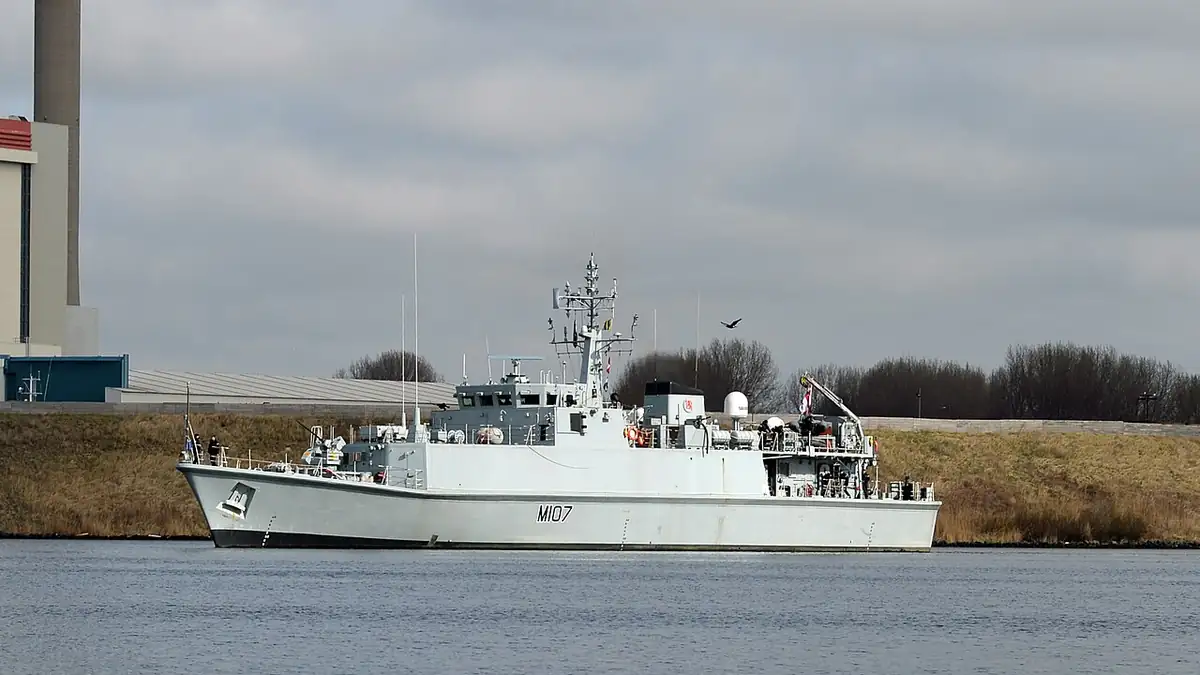
The UK will buy three Offshore Support Vessels to carry uncrewed mine-hunting systems, with the first due in 2031, the Ministry of Defence says. The ships come through Norway's standardised vessel programme.

The United Kingdom will buy three new vessels to serve as motherships for uncrewed mine-hunting systems, joining a Norwegian naval programme to do so, the UK Ministry of Defence announced on 12 November 2026. Defence Secretary Wes Streeting and Norwegian Defence Minister Tore O. Sandvik confirmed the commitment at the Atlantic Future Forum in Oslo.
According to the ministry, the Royal Navy will receive the first of the three Offshore Support Vessels in 2031 and holds an option to buy three more. The ships are described as “standardised vessels” in Norway, and the UK will take part in Norway’s P1118 Standardised Vessel Programme. They will be delivered through the government-to-government Maritime Capability Partnership Framework between the two countries.
What the vessels are for
The ministry says the ships will act as motherships for uncrewed systems that find and dispose of sea mines, which it argues makes the work safer, quicker and more effective and keeps sailors further from danger. It also links the vessels to anti-submarine warfare on NATO’s northern flank and calls them a step in building what it terms the Hybrid Navy.
The UK government cites the threat from sea mines after what it calls Iran’s illegal mining of the Strait of Hormuz, which it says has caused major disruption to global energy trade. The announcement says the globally deployable vessels will help the UK stay at the forefront of safeguarding freedom of navigation. An additional £90 million for the acquisition was announced in the Defence Investment Plan, according to the ministry.
Link to the Type 26 deal with Norway
The agreement is part of the wider Type 26 export arrangement with Norway, which the UK government calls its biggest-ever warship export by value. The ministry says that deal supports 4,000 jobs across the UK supply chain, including more than 2,000 at BAE Systems’ shipyards in Glasgow. It also notes that Norway’s procurement of Type 26 frigates, worth £10 billion, dates from December 2025, and says the two navies will now operate similar ships.
Streeting said the deal “strengthens our ability to protect freedom of navigation”, and that it shows how the UK-Norway partnership helps both countries and their allies meet the challenges of a more dangerous world. Sandvik said the UK’s procurement of the Norwegian vessels will strengthen the strategic partnership, rooted in the Lunna House agreement, and improve the ability of the two navies to work together protecting NATO’s northern flank.
Other announcements in Oslo
The ministry said further maritime and industrial commitments were highlighted at the forum. These include a £35 million investment over five years by the company Arondite to open an Oslo office and grow its European operations, and Atlantic Net, a £90 million contract awarded to Ocean Infinity that combines autonomous and uncrewed systems with advanced sensors to detect and monitor underwater threats across the North Atlantic. Geopolitiki reported on that contract in UK commits £90 million to “Atlantic Net” drones and sensors to hunt Russian submarines and guard undersea cables.
Allied navies also held discussions through the International Sea Power Conference, convened by the First Sea Lord, General Sir Gwyn Jenkins, the ministry said. Earlier in the week, the UK and its Joint Expeditionary Force partners signed a new naval framework on board HMS Prince of Wales in Oslo, covered in UK and JEF allies sign Northern Navies Initiative on HMS Prince of Wales in Oslo.
No contract value for the three vessels themselves, beyond the additional £90 million mentioned in the Defence Investment Plan, was given in the announcement.
Source: UK Ministry of Defence press release, 12 November 2026.