Politics & Diplomacy
UK, EU and Kenya treat climate and nature loss as security risks
The UK, EU and Kenya agreed to integrate climate and ecosystem risks into security planning after a foreign ministers’ dialogue at the UN in New York.

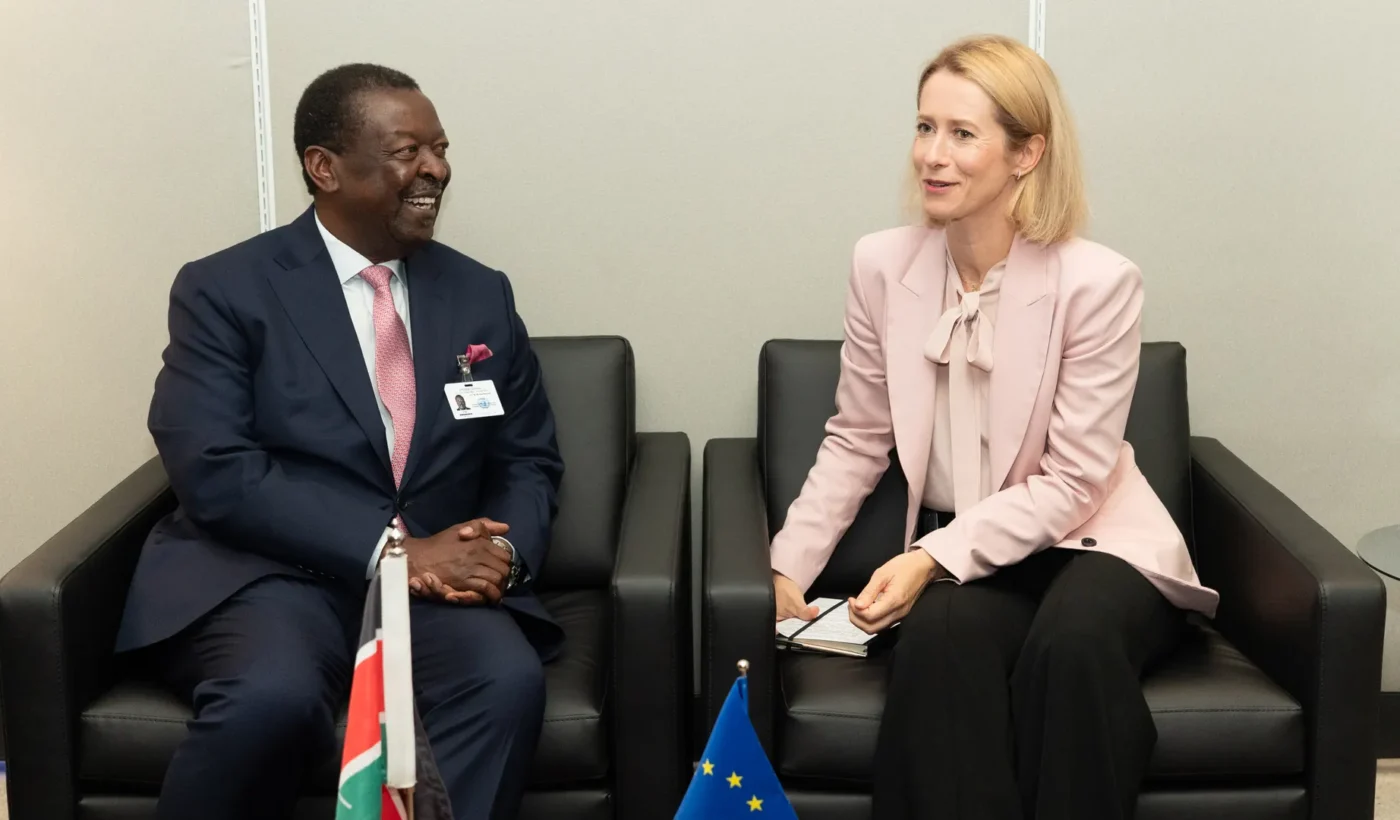
Britain, the European Union and Kenya have pledged to bring climate change and ecosystem degradation into national and regional security planning after a foreign ministers’ dialogue in New York. Their joint statement, issued on September 24, said the meeting took place the previous day during the UN General Assembly’s high-level week.
UK Foreign Secretary Ed Miliband, EU foreign policy chief Kaja Kallas and Kenya’s Prime Cabinet Secretary and Cabinet Secretary for Foreign and Diaspora Affairs Musalia Mudavadi co-hosted the discussion. The three described intensifying climate and nature pressures as risks to security, stability and the resilience of societies. The announcement sets out cooperation and planning commitments; it does not describe a new treaty or a specific funding package.
The statement cited wildfires, drought, crop failures and extreme heat as pressures on communities, economies and ecosystems. It said areas already affected by conflict, fragility or severe humanitarian needs are particularly exposed. The co-hosts pointed to recent heat and sea-surface temperature extremes and said disruption to agriculture and supply chains carries consequences for food security and economic resilience.
Their concern extends beyond immediate weather events. The governments and EU warned that degrading ecosystems could create cascading risks involving displacement, competition over resources, economic insecurity and conflict. The statement characterized possible ecosystem collapse from 2030 as a risk, not a forecast that such an outcome is certain. It also said El Niño could aggravate existing vulnerabilities in health, food and water security.
The three parties committed to include climate and nature risks in analysis and horizon scanning within their security systems. They agreed to exchange assessments more closely and, where appropriate, conduct joint risk assessments, scenario exercises and contingency planning. The aim stated in the communiqué is to improve anticipation of shocks and coordination across borders.
Food, fertilizer and water security feature in the proposed work, along with wider early-warning systems and advance financing before extreme-weather events. The statement also calls for development banks to have crisis-response tools suited to more frequent climate shocks. It supports work by the International Monetary Fund and World Bank to consider climate vulnerability and resilience investment in debt assessments.
At the UN level, the co-hosts urged agencies to incorporate climate-security considerations and approaches sensitive to conflict. They also proposed treating forests and other natural systems as infrastructure relevant to resilience and economic planning. These are priorities for cooperation rather than completed policy changes in every participating institution. The co-hosts connected these measures to efforts to safeguard communities facing overlapping climate and humanitarian pressures.
The UK, EU and Kenya reaffirmed support for the Paris Agreement and the Global Biodiversity Framework. They said they would continue the discussion at forthcoming international meetings, including COP31, the annual meetings of the World Bank and IMF, and further forums through 2027.