Africa
UN Security Council on South Sudan: UK demands UNMISS be allowed to operate freely six weeks before the first elections
At the UN Security Council on 10 November, the UK urged South Sudan's authorities to let UNMISS operate without obstruction as violence and hunger worsen ahead of the 22 December elections.

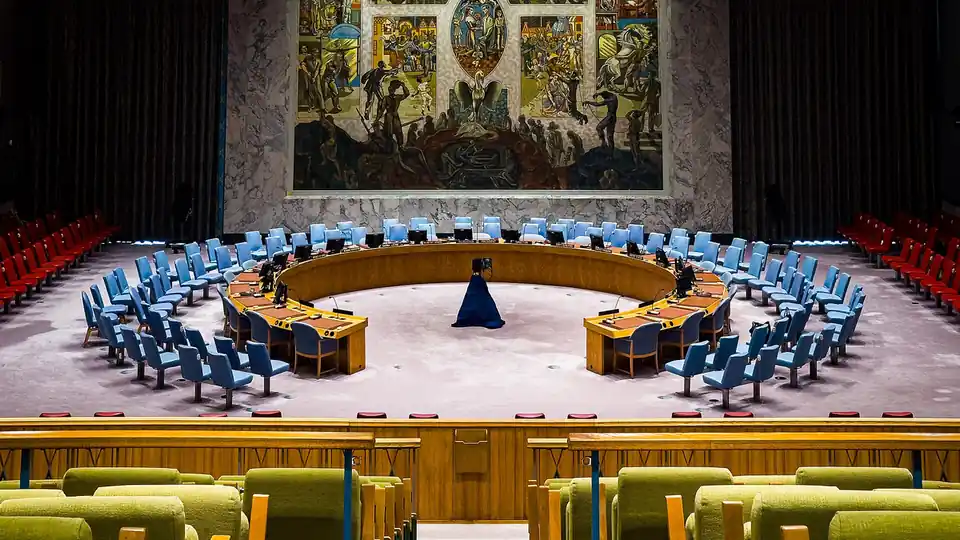
The UN Security Council met in New York on 10 November to review the situation in South Sudan, six weeks before the country’s first national elections since independence. UN News described the session as taking place “amid deepening political uncertainty and worsening violence”, and the United Kingdom used its statement to demand that the authorities let the UN peacekeeping mission operate without obstruction.
What the UN said ahead of the meeting
According to UN News, the elections are scheduled for 22 December and would be the first since South Sudan became independent in 2011. It reported that President Salva Kiir dissolved the transitional government in September and removed all vice-presidents, including the detained Riek Machar. The UN also pointed to fighting in Upper Nile state, where clashes have displaced more than 35,000 people.
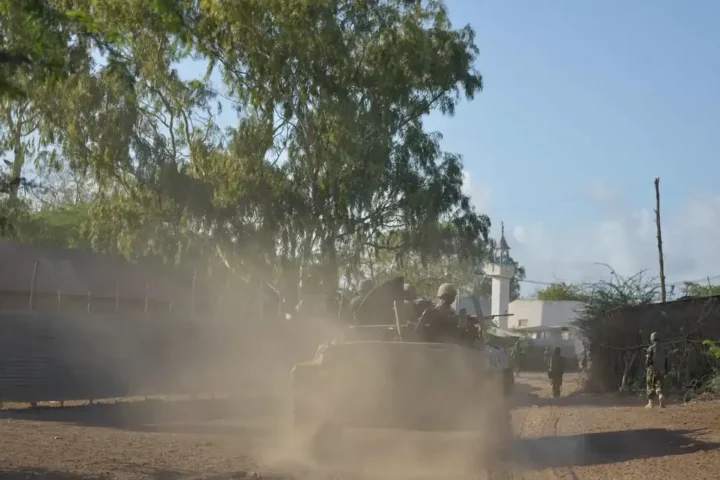
On humanitarian conditions, UN News cited 2.5 million people facing emergency levels of hunger and 73,300 facing catastrophe. It also recalled that three peacekeepers were killed in an ambush in Jonglei in August. The meeting was held under the agenda item on the UN Mission in South Sudan (UNMISS), according to the UN meetings coverage. The UK statement welcomed the efforts of the African Union, IGAD, Special Representative Gbeho and High Representative Kikwete to support dialogue.
The UK statement
Ambassador Kate Foster, the UK’s Deputy Permanent Representative to the UN, opened by offering condolences to the families of the three peacekeepers killed in Jonglei and said the United Kingdom condemns attacks on peacekeepers, adding: “attacks on peacekeepers may constitute war crimes.”
She made three points. First, South Sudan is approaching a critical point in its transition, and elections must contribute to peace and stability rather than deepen division. The UK said the establishment of new caretaker arrangements, while key provisions of the 2018 Peace Agreement remain unfulfilled, has weakened political consensus, and it called on all parties to uphold the ceasefire, open political and civic space and engage in inclusive dialogue.
Second, Foster said political instability and violence are worsening an already devastating humanitarian crisis, with renewed conflict forcing families from their homes and making it harder for aid groups to reach people in need. She put the number of people facing acute food insecurity at almost 8 million and said only 2 per cent of the national budget is spent on health and education.
Third, she described UNMISS as indispensable to the protection of civilians, but said restrictions imposed by the Caretaker Government continue to obstruct its work. In her words, the authorities must honour the Status of Forces Agreement and allow the mission to operate without obstruction, and the mission must have the freedom of movement it needs to protect civilians.
Wider Sudan and South Sudan file
The meeting followed the Council’s 5 November session on Sudan and South Sudan, at which the UK raised violations of the demilitarised status of Abyei. Geopolitiki covered that statement in UK tells UN Security Council that violations of Abyei’s demilitarised status are “unacceptable” and urges Sudan and South Sudan to seize the moment.
The South Sudanese authorities’ position at the meeting was not available in the sources read for this report, and the figures above are those cited by UN News and the UK delegation.