Middle East & North Africa
US Senate rejects the war powers resolution on the Iran war, 51 to 48
The Senate voted 51 to 48 against a resolution that would have required President Trump to withdraw US forces from the war with Iran. Democrats now turn to funding, while Trump says he is in no rush on his next move.

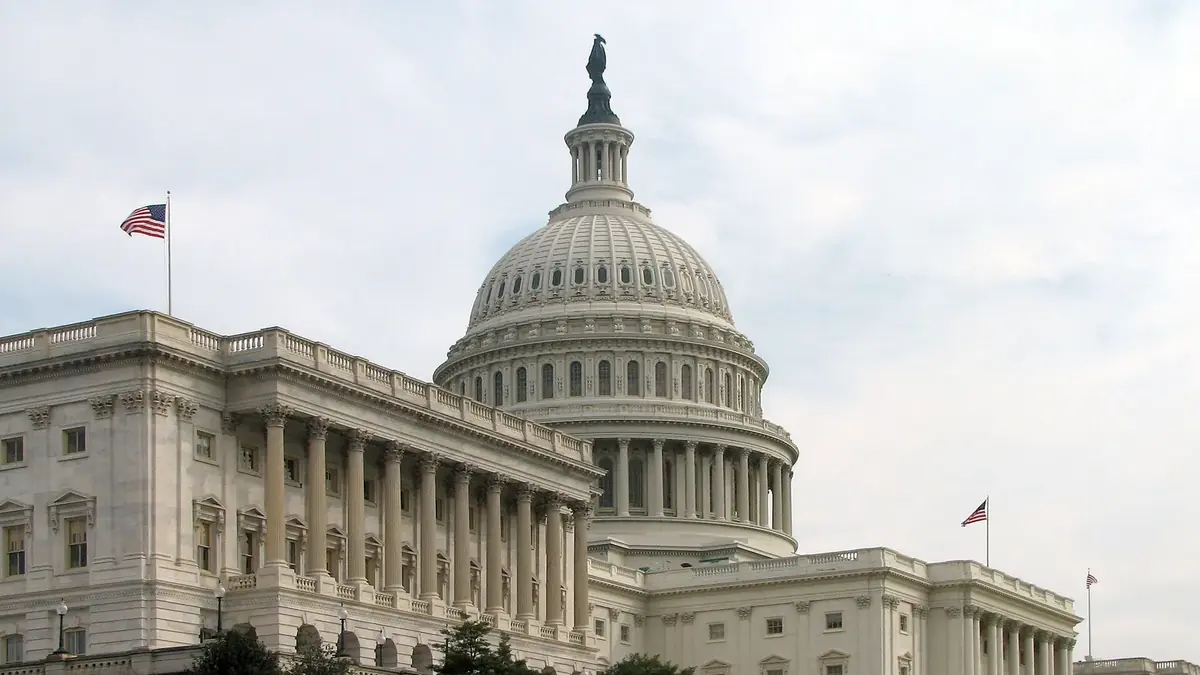
The US Senate on Thursday, November 19, rejected by 48 votes to 51 the War Powers Resolution that would have required President Donald Trump to withdraw US forces from the war with Iran. In the Senate’s official roll-call record the vote is number 269 and concerns the concurrent resolution H.Con.Res. 93. One senator, Democrat Chris Murphy of Connecticut, did not vote.
With the Democrats and the two independents, Bernie Sanders and Angus King, three Republicans voted in favour: Susan Collins of Maine, Lisa Murkowski of Alaska and Rand Paul of Kentucky. Democrat John Fetterman of Pennsylvania was the only one of his party to vote against. Outgoing Republicans Thom Tillis and Bill Cassidy, who have at times supported similar measures, also voted against, Roll Call notes.
A largely symbolic vote
The resolution, which the House of Representatives approved in mid-September, is concurrent and would not have gone to the president for signature. For that reason Roll Call calls it mainly symbolic. It was the first war powers vote since the midterm elections, in which Democrats won the Senate. The war has cost at least $48.3 billion as of November 13, Arthur Miller, nominee for Navy comptroller, told the Senate Armed Services Committee at his confirmation hearing.
Democrats turn to funding
After the vote, Democrats are turning their attention to funding. “After nine months of war, cutting off its funding is the only way to force Trump to end it,” said Senator Tammy Duckworth. Michael Bennet argued that when interim funding is soon voted on, “we can fund the government and end the war”. Tim Kaine spoke of “other things” Democrats are considering once they take control, including in connection with the debate on the interim funding bill.
Democrats are divided over whether to demand an immediate cut to funding for the war in the December funding bill or wait until they take control of Congress in January. If the bill is not passed, the federal government faces a shutdown after December 11. In the House, Republican Thomas Massie, who filed his own resolution on November 10 and can force a vote 15 calendar days later, said: “I hope to force a war powers vote before the outgoing Congress expires.”
Trump: “no rush”
The same day Mr Trump told Axios in a phone interview that he is in no hurry over the next move on Iran: “I’m not in a rush to make any decision. We’ll see what happens after the start of the year.” Axios notes that waiting may give the naval blockade and sanctions more time to pressure Tehran. It also points out that Mr Trump may want to have time to approve military action before the new Congress, with a Democratic majority, takes over in January, and that the president could change his mind at any time. According to the same outlet, Mr Trump is still considering a joint military operation with Israel for new strikes on Iran.