Technology
NASA: $1 million competition for students to design elements of the Moon Base
NASA announced the Moon Base Student Challenge with prizes of up to $1 million for US high school and post-secondary teams designing elements of the lunar south pole base. Registration is open to January 25, 2027.

NASA is opening the Moon Base programme to students. On Sunday, November 8, 2026, at the MAX POWER event at the Kennedy Space Center Visitor Complex in Florida, the agency announced the Moon Base Student Challenge, with prizes totalling up to 1 million dollars, as described in NASA’s press release.
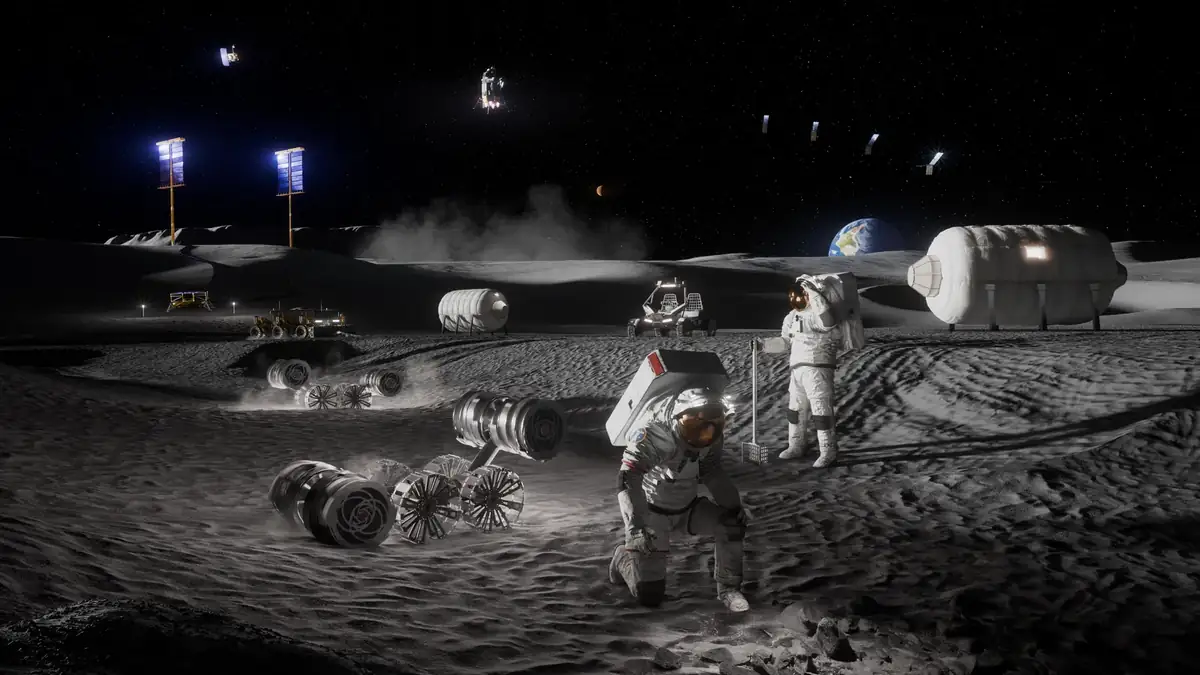
Teams from US high schools and post-secondary institutions are invited to submit designs for the base. The competition runs in phases and covers six categories: power generation and storage, construction, life support systems, surface mobility, communications networks and astronaut safety. The deliverables correspond to skills the space sector asks for: trade studies, design proposals and stakeholder updates. Students from technical, vocational and other tracks can therefore take part, with no prior specialised engineering experience required.
“We are looking for students ready to think creatively, work as a team and tackle real problems tied to NASA’s future on the Moon,” said NASA Administrator Jared Isaacman. “You don’t have to wait until graduation to contribute. Curiosity, creativity and the willingness to take on hard problems with no obvious solution are exactly the traits we need as we build the next step.”
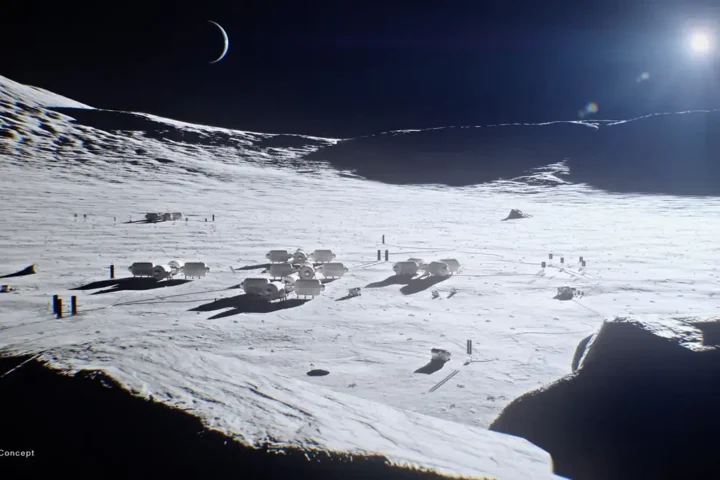
The goal is a permanent human presence in the region of the Moon’s south pole, where astronauts will live, work and explore. According to NASA, a permanent presence on the Moon paves the way for future crewed missions to Mars and needs talent from many disciplines. Carlos García-Galán, Moon Base programme manager, noted that NASA wants to tap every inventive idea, to foresee whatever explorers may need to live and work there, adding that the base is ultimately for today’s students, who will live in a world with people permanently on the Moon. A day earlier, on Saturday, November 7, the agency had presented the Moon Base contracts, with the nuclear-powered PROMISE rover and eight companies in CLPS 2.
Rules and timeline
The challenge was designed by NASA’s Office of STEM Engagement in cooperation with the Moon Base programme. It is managed by the Institute of Competition Sciences, under a contract through NASA’s Center of Excellence for Collaborative Innovation, which falls under the Space Technology Mission Directorate’s parent Mission Directorate. Ilene Ho, NASA associate administrator and head of the STEM Engagement office at headquarters, called students “the next generation of explorers and innovators.”
Registration is through NASA STEM Gateway and is open until January 25, 2027. The rules on moonbasechallenge.org say each team consists of two to five students and one adult coach, a teacher or staff member of the institution they belong to. There are two entry categories: High School, for ages 13 to 18, and Post-Secondary, for students at US higher-education institutions.
The timeline posted on the same site provides for an online kickoff symposium on December 3, 2026 and a deadline for the first phase, a Concept Overview Paper, on February 22, 2027. The site also shows the competition has two phases and that up to 100 teams will be named finalists, with cash prizes, and announced on March 11, 2027. Finalists submit a recorded presentation and slides by April 19, and first-prize winners and runners-up in each category are announced on May 6, 2027.
NASA’s search for new talent does not stop at schools. The agency is accepting applications until December 3 for the new astronaut class, which will train for the Moon and Mars.