Economy & Energy
Saudi pipeline outage puts up to 4% of global oil supply at risk
Saudi Arabia’s East-West pipeline shutdown has put a major Red Sea export route at risk, with traders warning that stored supplies may cover only several days.

Saudi Arabia’s shutdown of its East-West crude pipeline has raised the prospect that as much as 4% of global oil supply could be removed from the market if the route does not return to service quickly, according to oil buyers and traders cited by Reuters.
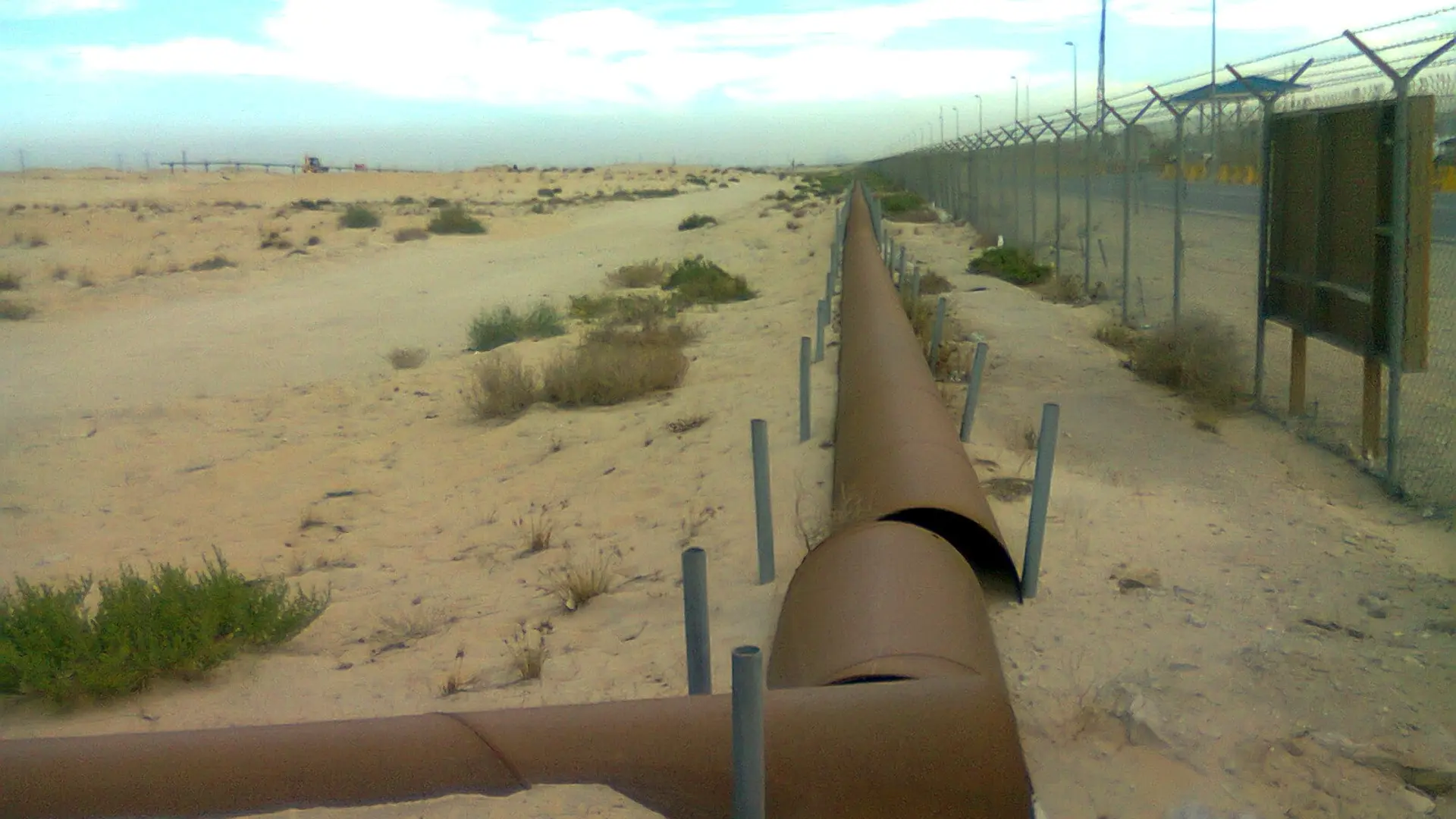
The pipeline carries crude from eastern Saudi oil fields across the kingdom to the Red Sea port of Yanbu. It offers Riyadh an alternative to export routes that depend on passage through the Strait of Hormuz, giving the system particular strategic value during periods of disruption in the Gulf.
Saudi authorities halted the route as a precaution after a drone attack damaged infrastructure. Initial market assessments indicated that the pipeline can move roughly 4 million barrels per day, although actual flows vary. Buyers and traders said stored oil available for export from the Red Sea coast could cover approximately five to seven days if the line remained unavailable.
Estimates of the repair period were not definitive. Some market participants said work could take as long as six weeks, but Saudi authorities had not publicly confirmed a complete timetable in the information available on Sunday. The scale of any reduction in exports will therefore depend on the condition of the pipeline, access to stored crude and the ability to redirect supplies.
The outage matters because global fuel markets were already under pressure. A sustained reduction in Saudi exports would tighten supplies further and could transmit the effects of a regional security incident into transport costs, inflation and industrial activity.
The East-West system was built to reduce dependence on the Gulf shipping route. Crude delivered to Yanbu can be loaded directly onto tankers in the Red Sea, avoiding Hormuz. Its temporary loss therefore weakens one of the kingdom’s most important pieces of energy-security redundancy at the same time that maritime risks are rising.
Saudi Arabia has not announced a permanent suspension of the pipeline. The current situation is a shutdown linked to damage assessment and repair, and estimates provided by traders should not be treated as an official Saudi production forecast.
Market attention will focus on the speed of repair work, tanker loading schedules at Yanbu and any changes to Saudi export nominations. Those operational details will determine whether the disruption remains a short logistical interruption or becomes a significant global supply loss.
Reuters reported that Saudi crude and condensate loadings from Yanbu had already risen before the shutdown as exporters relied more heavily on the Red Sea route. That made the pipeline particularly important at the time of the attack. Additional Saudi barrels can also move through Egyptian facilities connected to the Red Sea, but traders said stocks there were limited and could not indefinitely replace normal pipeline flows.
The estimate of a possible 4% loss refers to the pipeline’s approximate throughput in relation to world supply, not to an immediate confirmed fall of that size. Actual exports would depend on inventories, repairs, production decisions and any alternative routing arranged by Saudi Aramco.