Asia-Pacific
Lowy: the US lead over China in Asia falls to its lowest level since 2018
Australia's Lowy Institute says the US remains Asia's strongest power but its lead over China has fallen to the smallest gap since the index began: 78.9 points against 73.6.

The United States remains the strongest power in Asia, but its lead over China has fallen to its lowest level since 2018. That is the finding of the 2026 Asia Power Index of Australia’s Lowy Institute, published on Sunday, November 22. The US scores 78.9 points, 1.5 fewer than last year, and China 73.6, just 0.1 fewer. The 5.3-point gap is the smallest since the index began, and the gap in military capability is also the narrowest on record.
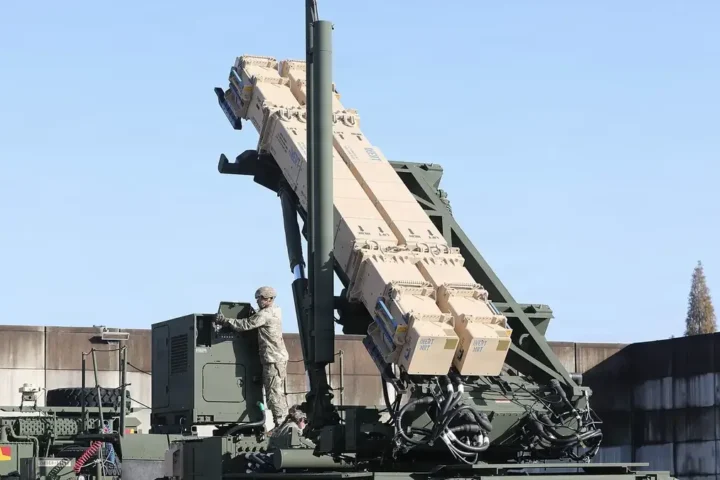
The report’s authors, Hunter Marston and Jack Sato, attribute the shift more to Washington’s mistakes than to big steps by Beijing. The war with Iran, which began in February 2026 with coordinated US and Israeli strikes, sharply reduced US stocks of long-range missiles. The transfer of military assets from the 7th Fleet in the Pacific to the Persian Gulf reinforced the image of a Washington losing interest in Asia. The US also held fewer joint exercises and defence dialogues with Australia, Japan and South Korea. Lowy records the biggest one-year fall in US diplomatic influence and the lowest level of its defence networks.
Where Washington still leads
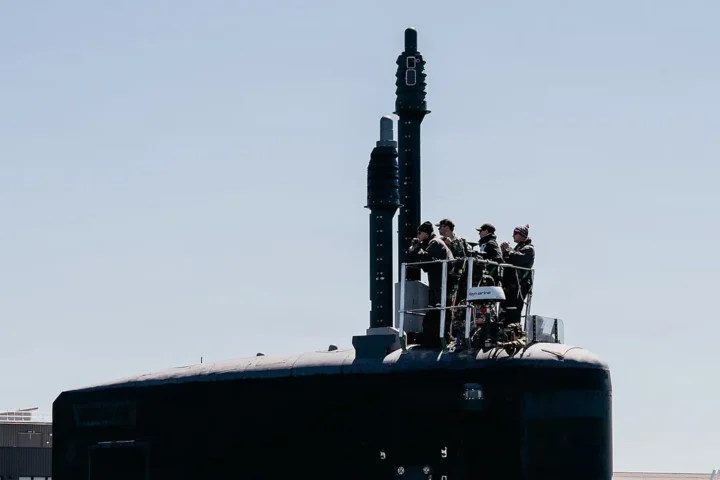
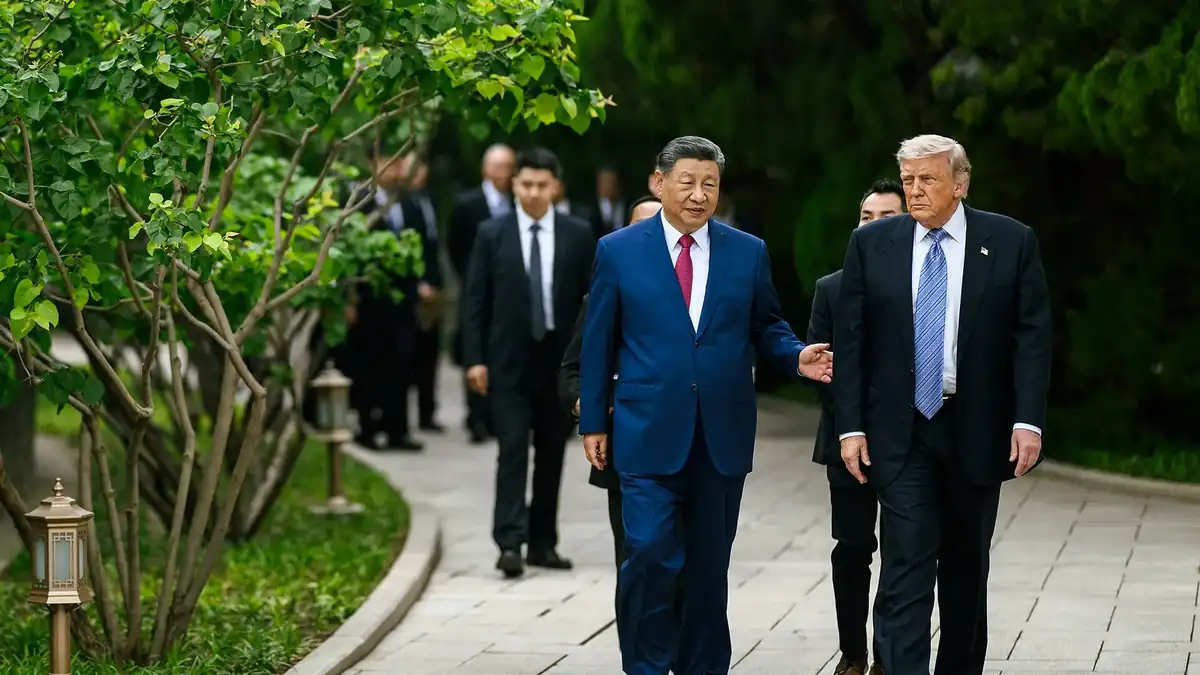
The US keeps clear advantages. Its military budget is almost three times China’s, and it leads in air power, transport capabilities, ballistic missile submarines, and aircraft carriers and amphibious ships. In the Pacific, however, China’s military posture and its ability to deploy forces quickly at scale now exceed those of the US. Beijing has a large lead in ground-based missiles and land forces, and its diplomatic influence reached a record level. The report notes that Donald Trump and Xi Jinping agreed in Beijing in May to seek “constructive strategic stability”, while US allies worry about a possible US military withdrawal from the Pacific.
The rest of the ranking
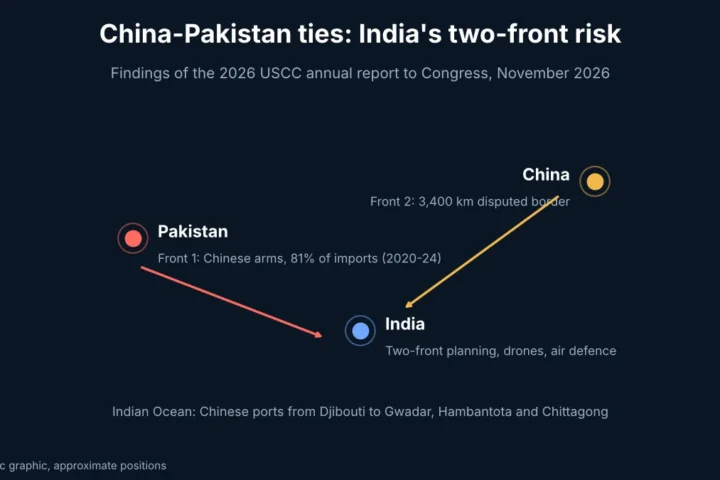
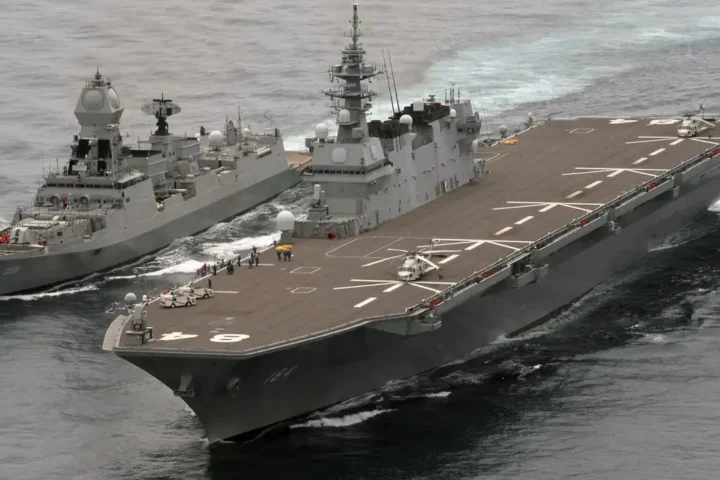
India is third with 40.5 points, classed as a “major power” behind the two superpowers. The gap between India and China is the smallest since 2018, although China’s power remains 80% greater. India’s defence networks were strengthened by greater regional defence activity and sales of BrahMos missiles in South-East Asia. Japan is fourth with 38.6 points. It has taken on a larger role as a security partner, with a frigate sale agreement with Australia and the deployment of ground combat forces to the Philippines for the first time since the Second World War.
Russia is fifth with 32.2 points, increasingly reliant on China and North Korea. Lowy records China-Russia trade of almost $250 billion in 2025 and about 11,000 North Korean soldiers fighting in Ukraine. Australia follows with 31.7 points, having built closer ties with Japan and the Philippines without Washington’s involvement. South Korea fell to 31 points after Trump asked for cuts to joint military exercises, which weighed on the assessment of its military capability.