Analysis
Enclaved Greek Cypriots in Karpas explained: the ECHR findings
The Karpas Greek Cypriots stayed in their villages after 1974. The European Court of Human Rights found that Turkey subjected them to degrading treatment, and the UN still delivers their supplies.

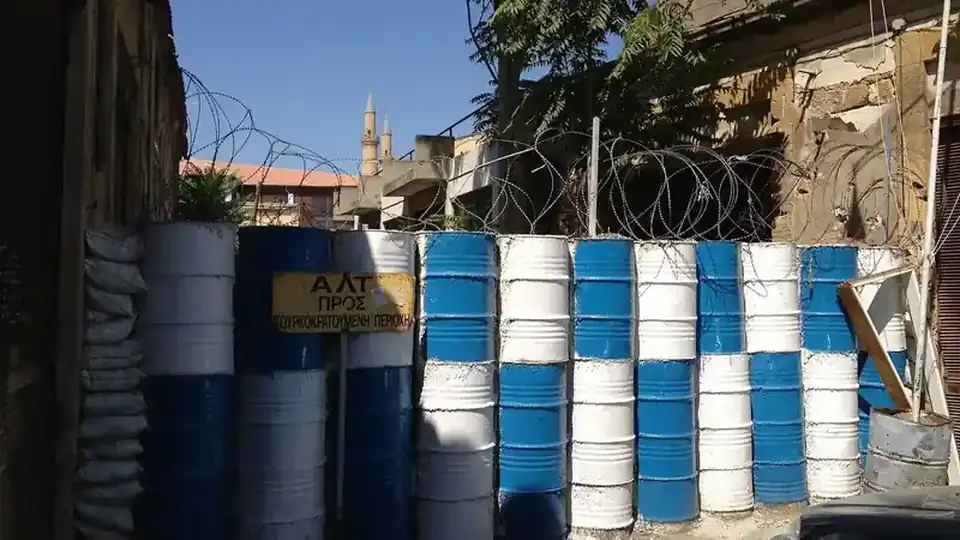
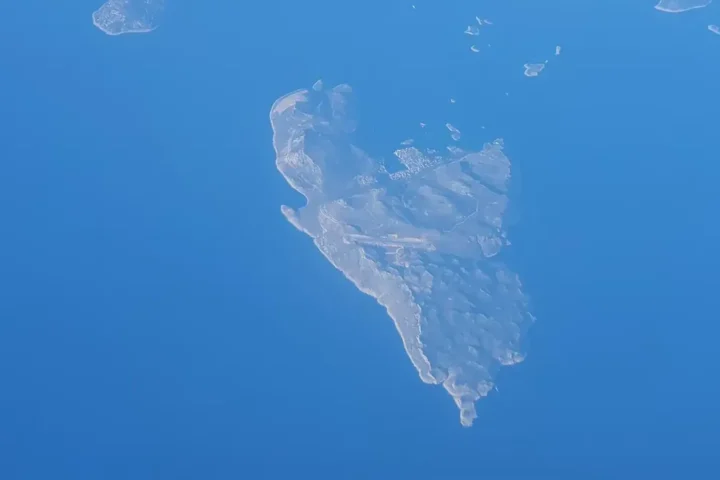
The Karpas peninsula is the long north-eastern arm of Cyprus, and it is where a small, ageing group of Greek Cypriots stayed in their villages after Turkey’s 1974 invasion and the division of the island. In its 2001 judgment in Cyprus v. Turkey, the European Court of Human Rights found that these enclaved Greek Cypriots were subjected to discrimination amounting to degrading treatment, and held Turkey responsible for it. A UN report published in January 2026 shows that Greek Cypriots and Maronites in the north still receive UN deliveries.
Key points
- The European Court’s Grand Chamber ruled on 10 May 2001 that Turkey, through its effective overall control of northern Cyprus, is responsible under the European Convention on Human Rights for what happens there.
- It found violations of the rights of the enclaved Greek Cypriots, among them the rights to private and family life, to freedom of religion and to education, and it found degrading treatment under Article 3.
- The same judgment found continuing violations over Greek-Cypriot missing persons, over the refusal to let displaced persons return, and over the denial of access to their property.
- UN Secretary-General’s report S/2026/8 says UNFICYP delivered basic provisions to 283 Greek Cypriots and 45 Maronites in the north between June and December 2025.
Who are the enclaved Greek Cypriots?
The Court recalls the finding of the former European Commission of Human Rights, which Turkey did not contest: with the exception of a few hundred Maronites in the Kormakiti area and the Greek Cypriots in the Karpas peninsula, the whole Greek-Cypriot population that lived in the north before 1974 had left, the large majority now living in the south. In its submissions the Republic of Cyprus told the Court that of some 20,000 Greek Cypriots in the Karpas in 1974 only 429 remained, and 177 Maronites were living in the north (judgment, paragraphs 30 and 207). These are the Republic’s figures as presented to the Court in 2001, not an official census.
The wider background, including the 1974 invasion and the UN Security Council resolutions that Turkey ignores, is in our Cyprus problem explained: 1960, 1974 and the UN buffer zone and UN resolutions on Cyprus explained: what 353, 541 and 550 demand.

Why is Turkey responsible?
Turkey argued that these matters fell within the exclusive jurisdiction of the northern authorities. The Court rejected that. It held that, having “effective overall control over northern Cyprus”, Turkey’s responsibility “cannot be confined to the acts of its own soldiers or officials in northern Cyprus but must also be engaged by virtue of the acts of the local administration which survives by virtue of Turkish military and other support”. It followed that violations of Convention rights in the north are imputable to Turkey (paragraph 77). The reasoning builds on the Court’s earlier Loizidou judgment.
What did the Court find about life in the Karpas?
The judgment rests on the earlier UN humanitarian review of the Karpas Greek Cypriots (the “Karpas Brief”) and on hearings and visits by the Commission’s delegates, who went to Greek-Cypriot villages in the Karpas in February 1998. On that evidence the Court found, among other things:
- Private and family life (Article 8). Restrictions imposed as a matter of policy and without any legal basis amounted to enforced separation of families. The community was monitored in its contacts and movements, and had to account to the authorities for even mundane journeys outside the village. The Court called the surveillance, which extended to state agents being present in homes during social visits, “highly intrusive and invasive”.
- Religion (Article 9). A violation in respect of Greek Cypriots living in the north.
- Education and expression (Article 2 of Protocol No. 1 and Article 10). No appropriate secondary-school facilities were available to them, and school books for their primary school were subjected to excessive censorship.
- Property (Article 1 of Protocol No. 1). Their possessions were not secured if they left permanently, and relatives living in the south did not have their inheritance rights recognised.
- Degrading treatment (Article 3). The Court said the interferences were directed at the Karpas Greek Cypriots “for the very reason that they belonged to this class of persons” and could only be explained by their ethnic origin, race and religion. It described a community “isolated, restricted in their movements, controlled and with no prospect of renewing or developing their community”, and concluded that its conditions were “debasing”.
Most of these findings were by sixteen votes to one; the Court also rejected some of Cyprus’s other complaints, for example on access to medical care, and found no violation of Article 6 by eleven votes to six. The picture is therefore a judicial one: a set of specific violations, each with its paragraph, rather than a slogan.
What else did the same judgment find?
The Karpas findings were one part of a wider ruling against Turkey. The Court found continuing violations of Articles 2 and 5 because Turkey failed to conduct an effective investigation into the fate of Greek-Cypriot missing persons, and a continuing violation of Article 3 towards their relatives. It found a continuing violation of Article 8 because no displaced Greek Cypriot was allowed to return to his or her home in the north, and of Article 1 of Protocol No. 1 because owners were denied access to, and use and enjoyment of, their property, and any compensation. Those points are developed in Missing persons in Cyprus explained: CMP figures and ECHR rulings.
What does the UN say today?
The Secretary-General’s report on UNFICYP of 5 January 2026, covering 12 June to 15 December 2025, says the mission continued humanitarian assistance for Greek Cypriots and Maronites in the north. It delivered basic provisions to 283 Greek Cypriots and 45 Maronites, facilitated three post-mortem transfers of Greek Cypriots through the checkpoints and monitored 20 court hearings, including those of 5 Greek Cypriots arrested in the north on 19 July 2025, three of whom were later released (S/2026/8, paragraph 27).
On religion, the report says the Turkish Cypriot authorities approved 28 of the 57 requests for religious services in the north that were channelled through UNFICYP, against 28 of 59 in the same period of 2024. On schools, it says the Turkish Cypriot authorities approved the appointment of all seven Greek-Cypriot teachers for the Greek-Cypriot schools in Rizokarpaso for 2025/26, but that on the handover of school textbooks the Turkish Cypriot side considered 37 of 97 primary-school books and 54 of 191 secondary-school books to contain what it called “incendiary language”. That is the Turkish Cypriot side’s assessment, quoted in the UN report; it does not change the Court’s finding in 2001 that textbook censorship had been excessive.
Why it still matters
The Karpas judgment is one of the few places where an international court has described, paragraph by paragraph, what life under Turkish control meant for the Greek Cypriots who stayed. It is also part of the legal record that the Republic of Cyprus, the EU and the UN rely on when they say the status quo is unacceptable. The island remains divided, and the UN’s own report shows that a small group of Greek Cypriots and Maronites in the north still relies on UNFICYP deliveries.
Sources: European Court of Human Rights, Cyprus v. Turkey (application no. 25781/94), Grand Chamber judgment of 10 May 2001; United Nations Security Council, Report of the Secretary-General on the United Nations Operation in Cyprus, S/2026/8, 5 January 2026.