Air Force
BAE Systems and Bombardier sign an MoU on next-generation fighters with a Canadian industrial base
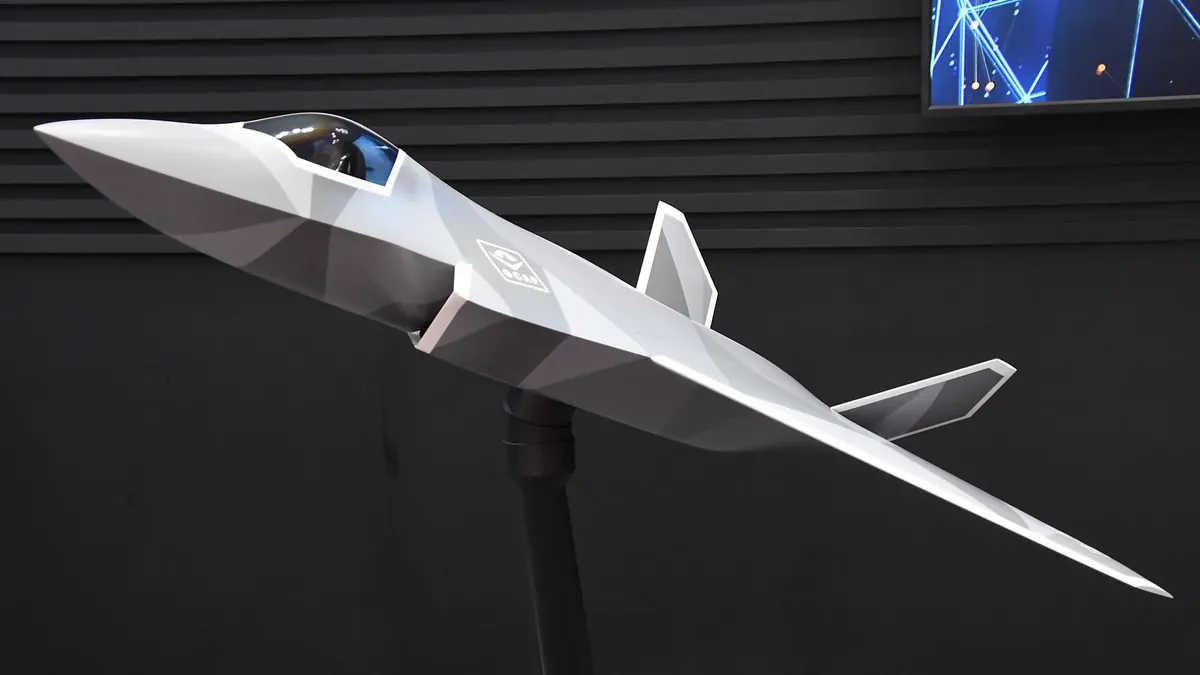
BAE Systems and Bombardier signed a memorandum to explore how next-generation combat air capabilities could be built in Canada, months after Ottawa became an observer in GCAP.

Britain’s BAE Systems and Canada’s Bombardier announced on Wednesday, October 28, that they have signed a memorandum of understanding (MoU) to explore where they can work together to build next-generation fighter capabilities in Canada.
The two companies will first draw up a framework of practical areas of cooperation and then decide which opportunities fit future capability requirements, government priorities and industrial goals. BAE Systems describes the aim as a lasting set of capabilities for next-generation combat air solutions that create value across the whole life cycle, from initial design and digital development to systems integration, production and in-service support.
The British side lists aircraft and mission-system design, systems integration, digital engineering and “digital thread” technologies, advanced manufacturing, and long-term support, maintenance and security as possible areas. Bombardier focuses on research and development, systems integration, workforce and supply-chain development, industrialisation and in-service life-cycle management.
Simon Barnes, Group Managing Director of BAE Systems’ Air sector, called it a “significant step” in the company’s ambition to deepen international partnerships on the future of fighter aircraft, adding that BAE Systems sees an opportunity to help, with Bombardier, deliver the “strategic goals of Canada’s Defence Industrial Strategy”. Stephen McCullough, Bombardier’s Executive Vice President for Engineering, Product Development and Bombardier Defense, said the company can gather and grow the talent that programmes with a “generational impact” on the global defence industry require. In his words, the MoU gives a “clear framework” to examine how those capabilities can support next-generation defence programmes while strengthening industrial capacity, high-value jobs and long-term aerospace leadership.
Canada’s GCAP link
Bombardier recalls that in July 2026 Canada announced observer status in the Global Combat Air Programme (GCAP), alongside the programme’s partner countries Japan, Italy and the United Kingdom. BAE Systems says the MoU is a way to combine complementary aerospace and defence capabilities so that long-term sovereign fighter capabilities can be developed in Canada and for international markets. Neither company has said the memorandum commits Canada to joining the programme as a full partner.
Bombardier designs, builds, modifies and services aircraft for private, corporate, government and military customers. Its customer fleet exceeds 5,300 aircraft, with ten support centres in six countries and production sites in Canada, the United States and Mexico. Its aircraft already fly special missions for governments and armed forces around the world, and the company considers its experience in coordinating complex aviation programmes and specialised supplier ecosystems to make it a first-choice partner for future development and industrial needs in aerospace and defence.
The move comes during intense activity in Canada’s aerospace industry. On Tuesday, October 27, Saab named its Canadian partners for a possible Gripen E assembly line if Ottawa selects the fighter, and on October 22 Canada received its first two F-35As.