Air Force
Japan: fighter scrambles against Chinese aircraft hit a near five-year high, 94 in October
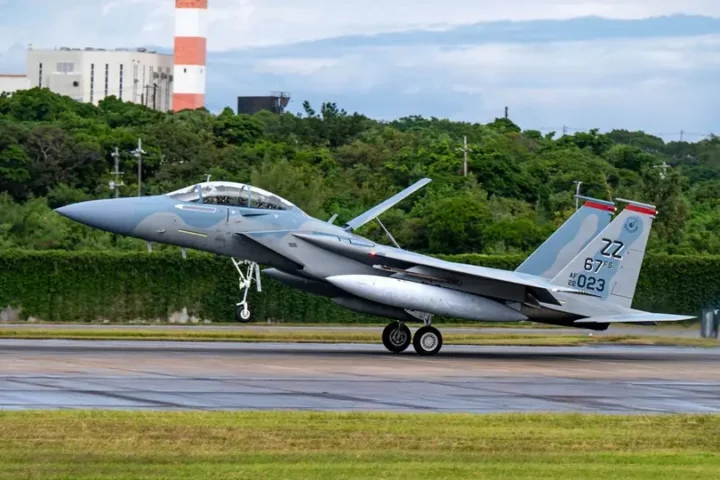
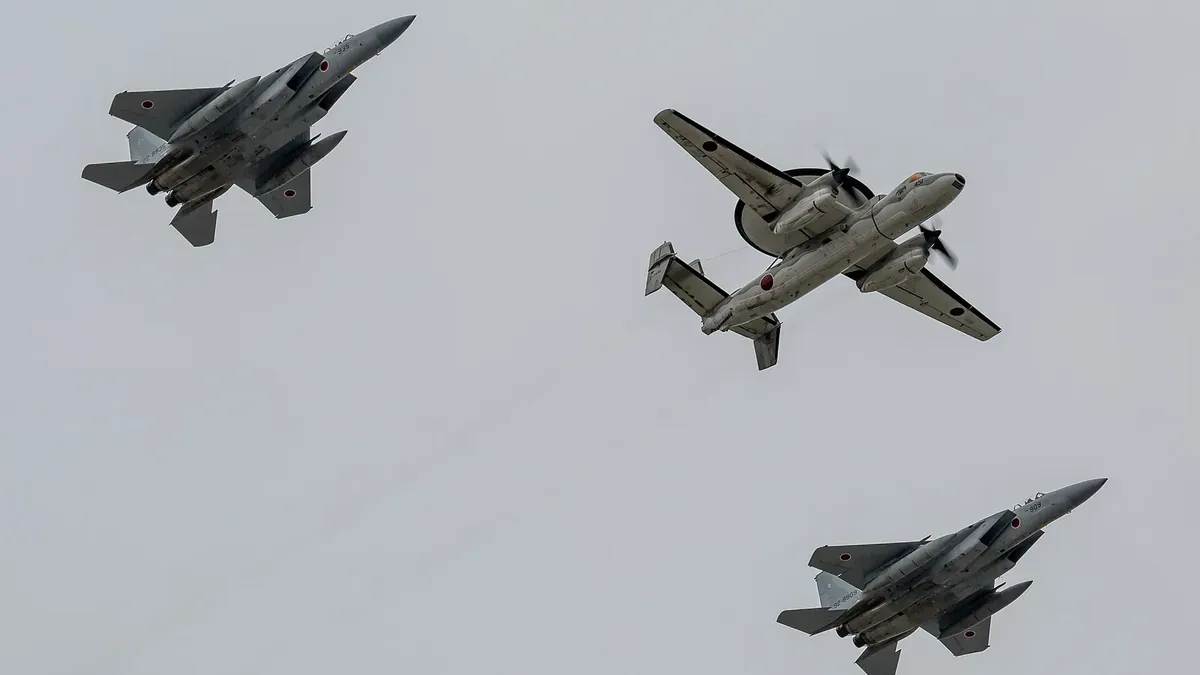
Japan's Air Self-Defense Force scrambled fighters 94 times against Chinese aircraft in October, almost four times the 25 of October 2025 and the highest monthly count since November 2021, the Joint Staff says.

Japan’s Air Self-Defense Force (JASDF) scrambled fighters 94 times in October to identify and deter Chinese aircraft, almost four times the 25 of October 2025. The figures come from the monthly summary of the Joint Staff Office of Japan’s Ministry of Defense, published on Friday, November 13. The South China Morning Post notes that it is the highest monthly figure for Chinese aircraft in almost five years, since November 2021, when there were 104. The Joint Staff describes the numbers as preliminary and subject to change.
In total, Japanese fighters scrambled 135 times in October against aircraft of all countries, compared with 95 in September and 71 in October 2025. Of those, 40 involved Russian aircraft and one was classed as “other”. In September, Chinese aircraft had prompted 70 scrambles. The burden fell on the Southwestern Air Defense Command, which flew 73 scrambles, against 42 in September and 22 a year earlier. The Northern Command followed with 29, the Western with 26 and the Central with 7.
Since the start of the Japanese fiscal year on April 1 through October 31, scrambles against Chinese aircraft reached 379, about 70% above the 223 of the same period of 2025. In the same period there were 192 scrambles against Russian aircraft and 577 in total, against 336 a year earlier. The first-half summary (April to September) had already shown 442 scrambles, against 265 in the same period of 2025, with Chinese aircraft accounting for about 65% and Russian for 34%. The Joint Staff cited as features of the half-year flights by Russian IL-20 intelligence aircraft, Chinese Y-9s over the East China Sea, which were detected on five consecutive days in September, and joint long-range flights of Chinese H-6 bombers with Russian Tu-95s.
The aircraft carrier Liaoning also contributed to October’s rise. The Joint Staff announced that the ship, with two Renhai-class destroyers and one Luyang III, was spotted on October 13 about 390 kilometres south-west of the Danjo Islands in Nagasaki Prefecture and the next day passed between Okinawa and Miyako into the Pacific. On October 14, about 250 kilometres south of Ishigaki, fighters and helicopters were recorded taking off and landing on the deck, around ten in total, and the JASDF sent fighters. On October 15 the group moved toward the South China Sea. We covered the wider picture in our report on Taiwan tracking Chinese ships from southern Japan to the Philippines.
The pressure continues in November, mainly with unmanned aircraft. Tokyo scrambled fighters two days in a row for Chinese drones between Yonaguni and Taiwan, on November 11 and 12, as we reported, while earlier in the month it had reacted to a Chinese WZ-7 drone over the Miyako Strait. For comparison, fiscal 2022 closed with 778 scrambles, 575 of them against Chinese aircraft, while fiscal 2025 closed with 595.