Defense Industry
UK awards Babcock £8 billion Gateway Agreement for nuclear submarine support
The Ministry of Defence has signed a five-year £8 billion Gateway Agreement with Babcock to maintain nuclear submarines and run naval base services, promising about 3,000 new jobs.

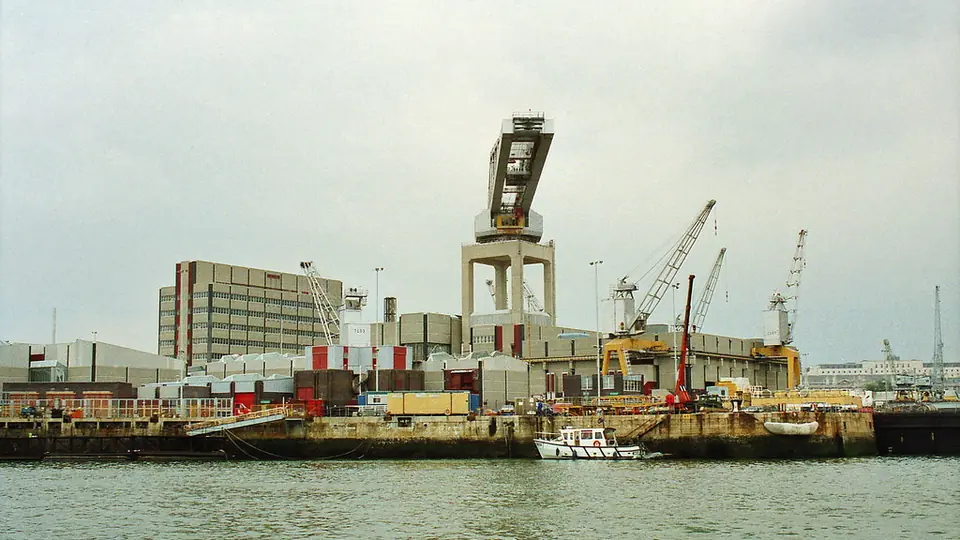
The UK Ministry of Defence has awarded Babcock an £8 billion, five-year “Gateway Agreement” to maintain Britain’s nuclear-powered submarines and run critical services at its naval bases. Defence Secretary Wes Streeting announced the contract on Thursday, 26 November 2026, during a visit to HMNB Devonport, according to the MOD.
The ministry says the deal will create about 3,000 new highly skilled jobs, mainly in Plymouth, on the Clyde and in Bristol, alongside about 2,500 apprenticeships and graduate roles. Streeting put the combined figure at 5,500 jobs, apprenticeships and graduate opportunities. The agreement also supports 8,500 existing jobs at HMNB Devonport and HMNB Clyde, and the MOD expects around £2.4 billion to flow into the wider UK supply chain, including about £1 billion aimed at small and medium-sized businesses.
Part of a £26 billion naval base programme
The Babcock contract forms part of Project Royal Oak, a £26 billion, ten-year programme covering HMNB Devonport, HMNB Clyde and HMNB Portsmouth. At Clyde, the MOD says Programme Euston, part of the Clyde Transformation Programme, will deliver an out-of-water submarine engineering capability in the 2030s. The ministry describes the agreement as the second major multi-billion-pound submarine deal since the Defence Investment Plan was published.
Streeting framed the award around the deterrent. “The deterrent is only as strong as our ability to keep it at sea,” he said. The MOD also quotes First Sea Lord General Sir Gwyn Jenkins, who said: “Our submarines both deliver the nuclear deterrent and protect it.”
Why submarine availability matters
The government says the nuclear deterrent supports more than 6,000 UK companies and about 47,000 jobs, and that demand for workers is forecast to reach about 65,000 by 2030. Babcock chief executive Harry Holt said the company is “very proud” of the support it provides to the Royal Navy. Maddy McTernan, Chief of Defence Nuclear at the MOD, called the agreement the latest step in the Defence Nuclear Enterprise’s drive to improve availability, according to the release.
The announcement comes as London steps up its wider defence spending. Streeting recently made headlines by travelling to Ukraine, which we covered in Streeting becomes first UK Defence Secretary to visit Kharkiv, as London adds RapidRanger launchers for Ukraine. On the Royal Navy’s anti-submarine role in the North Atlantic, see our earlier report Royal Navy: £90 million for “Atlantic Net” against Russian submarines – which company takes it on.
The figures and quotations above come from the Ministry of Defence press release published on 26 November 2026 on GOV.UK.