Middle East & North Africa
Bahrain asks the UN Security Council for “decisive measures” over Iranian attacks – condemnation from the GCC, Saudi Arabia, Qatar and Kuwait
After a new Revolutionary Guards drone attack on the Riffa air base on November 15, Bahrain invoked Article 51 and asked the Security Council to act. Tehran calls its strikes defensive and warns that its next response will not be limited.

Bahrain is asking the UN Security Council for “decisive measures” against Iran and invoking the right of lawful self-defence, after a new drone attack by the Revolutionary Guards on the Riffa air base on Sunday, November 15. The Gulf Cooperation Council (GCC), Saudi Arabia, Qatar and Kuwait condemned the attack and declared full solidarity with Manama. Tehran, for its part, defends the strikes as defensive and warns that its response to any new attack will not be limited.
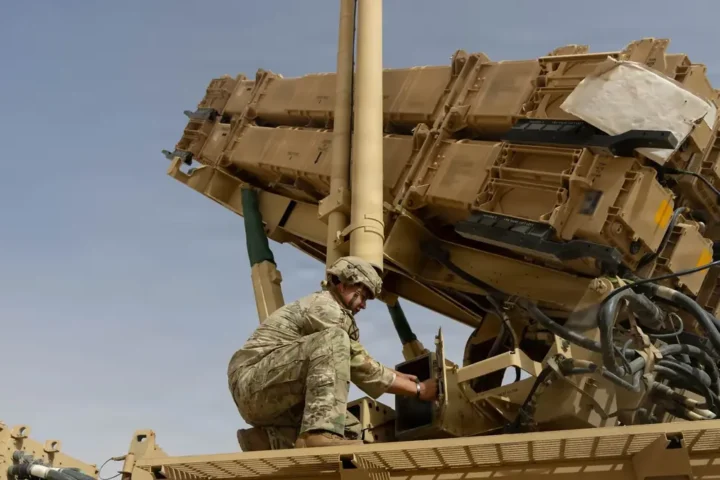
Bahrain’s Foreign Ministry condemned the attacks “in the strongest manner”. The country’s air defence destroyed Sunday’s drones, two days after a similar attack with two drones in the early hours of Friday, November 13, when the Revolutionary Guards claimed they had destroyed a US early-warning radar. Manama describes the attacks as a repetition of Iranian aggression and a flagrant violation of Security Council Resolution 2817, which had condemned Iranian attacks on Bahrain and its neighbours. It rejects the Iranian justifications, rejects “the use of its territory for settling scores”, and holds Iran fully responsible for the consequences.
Bahrain says it retains the inherent individual and collective right of self-defence under Article 51 of the UN Charter. It will exercise it in close coordination with the GCC states, on the basis of the Joint Defence Agreement, which treats an attack on one member as an attack on all, and with its allies and partners. As a member of the Security Council, it asked the Council to condemn the repeated attacks, to assume its responsibilities and to take decisive measures. It also asked that Iran be made to comply fully with Resolution 2817, stop the attacks and threats and end its support for organisations acting on its behalf in the region.
The Gulf reaction
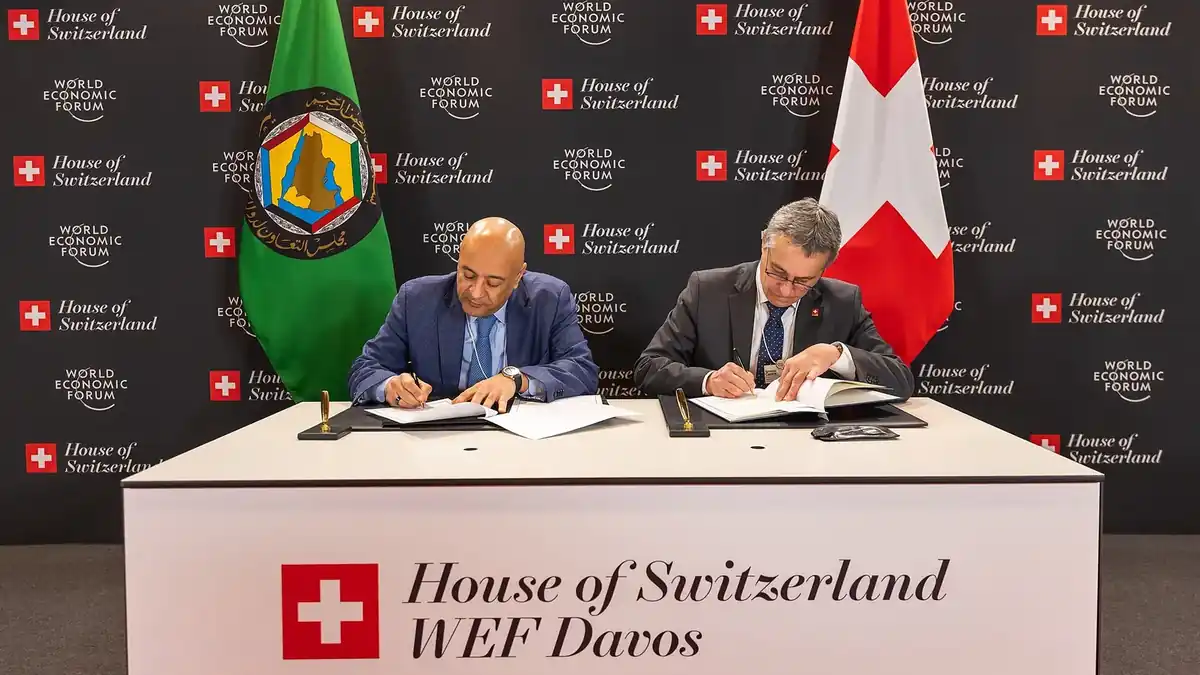
GCC Secretary-General Jasem Mohamed Albudaiwi condemned the drone attacks in a statement from Riyadh, as a violation of Bahrain’s sovereignty, of international law and of the relevant Security Council resolutions. He called for a firm international response so that the attacks stop and those responsible are held to account. “Every offence against the sovereignty of any member state is an offence against the security of all GCC states,” he stressed. The same Albudaiwi had told the Council on Saturday that more than 7,000 Iranian missiles and drones had been fired at the Gulf states.
Qatar’s Foreign Ministry spoke of a dangerous escalation that could complicate de-escalation and undermine diplomatic efforts for security and stability in the region. Kuwait categorically rejected the attacks as a violation of Resolution 2817, while Saudi Arabia expressed full support for all the measures taken by Manama. Jordan and Egypt also condemned the attack, and Egypt said that the security of Bahrain and the Gulf states is closely tied to Egypt’s own national security.
Tehran: “purely defensive”
Iranian Foreign Ministry spokesman Esmaeil Baghaei maintained that the attacks are “purely defensive in nature” and target only US bases used for strikes against Iran, invoking Article 51 as well. According to him, the role of countries in the region in supporting the American strikes “has been documented”. Hassan Ghashghavi, spokesman for the Iranian parliament’s National Security Committee, warned that the response to any new attack “will not be limited or short-lived”. “The enemy will start the war, but Iran will be the one to end it,” he said, adding that countries that allow Iran’s adversaries to use their territory must pay compensation. The Council’s discussion of Gulf maritime security this week is covered in our report on the UK’s position at the Security Council.