Cyprus
Christodoulides to speak on strategic autonomy in Maastricht before the European Council in Brussels
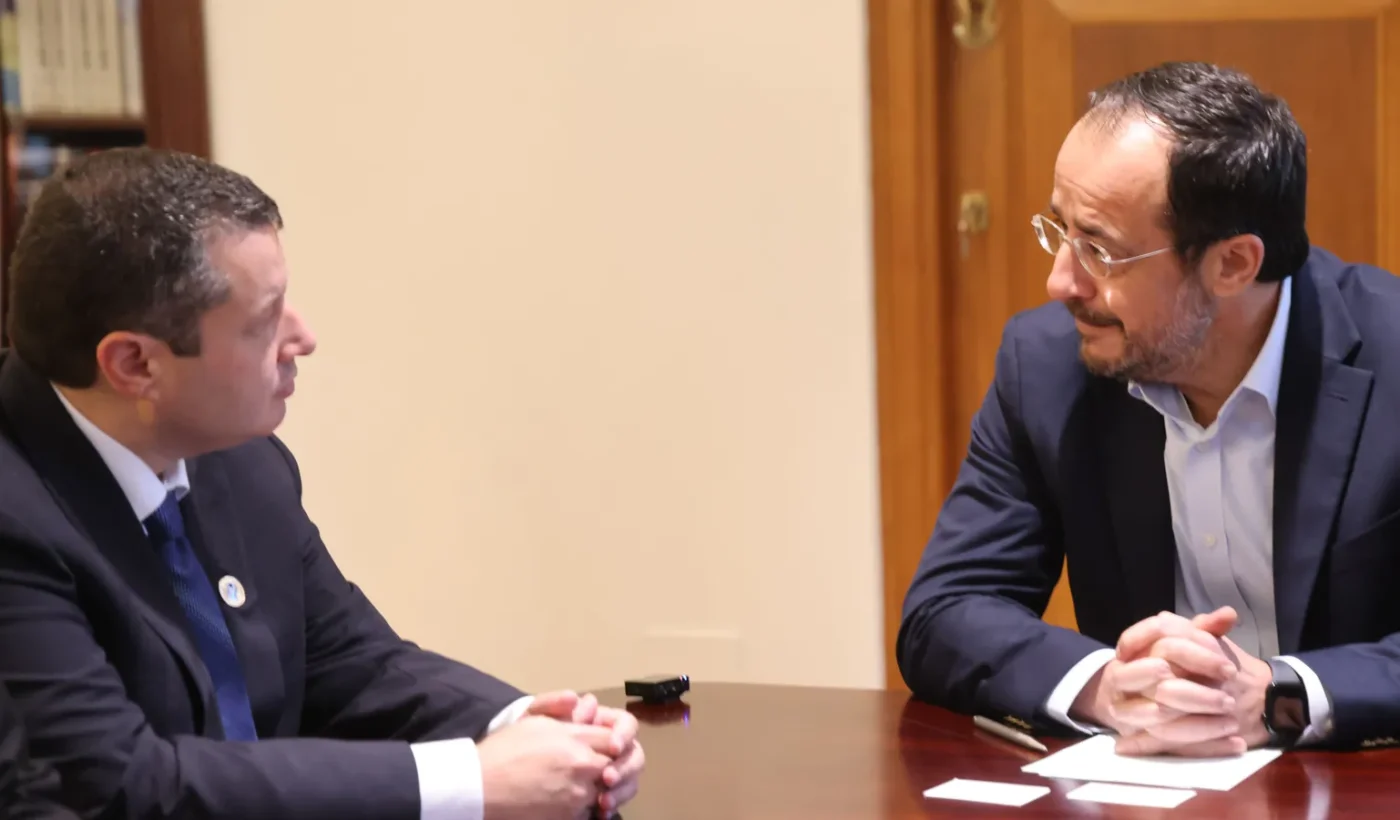
Cypriot President Nikos Christodoulides leaves on Wednesday, October 14, for Maastricht and then Brussels, where he will take part in the European Council on October 15 and 16.

The President of the Republic of Cyprus, Nikos Christodoulides, leaves today, Wednesday, October 14, for Maastricht and then for Brussels, where he will take part in the work of the European Council on October 15 and 16. The programme was announced in a written statement by Government Spokesman Konstantinos Letymbiotis.
Cyprus as a bridge to the Middle East
In Maastricht the President will speak this evening at the city’s university, at the invitation of the rector’s office, on the subject “Cyprus and the European construction: Bridging Europe and the Middle East on the road to strategic autonomy”. He will be received by Esther Versluis, dean of the Faculty of Arts and Social Sciences, and the speech will be followed by a discussion with students and professors. Late at night the President will travel on to Brussels.
The speech will focus on the future of Europe, on contemporary geopolitical challenges, on a review of the Cyprus Presidency of the Council of the EU, and on Cyprus’s role as a bridge of cooperation between the EU, the Eastern Mediterranean and the Middle East. The message comes at a time when the war with Iran and the attacks in the Gulf are pushing energy prices up across Europe.
The agenda in Brussels
On Thursday, October 15, Christodoulides will take part in the summit of the European People’s Party and will meet the leaders of the “Friends of Cohesion” group, ahead of negotiations on the next European budget.
The new Multiannual Financial Framework 2028-2034 will be at the centre of the summit, with the aim of substantial progress that will keep open the prospect of an overall political agreement by the end of 2026. According to Nicosia, the next budget will determine the EU’s ability to fund its strategic priorities and strengthen its security.
The agenda also includes European security and defence, developments in Ukraine and the Middle East, migration, competitiveness, higher energy prices, as well as EU enlargement and its reforms.
Cyprus will ask for greater flexibility in the European economic governance framework, so that member states can support citizens and businesses against energy costs and fund investments for energy autonomy without harming fiscal sustainability.
The trip comes a few days after the President spoke of a “window of opportunity” on the Cyprus problem, ahead of a new meeting with the Turkish Cypriot leader under UN auspices.