Cyprus
Fidan tells EU envoy Fitto not to link the Customs Union upgrade to the Cyprus issue
Turkish Foreign Minister Hakan Fidan asked European Commission Executive Vice-President Raffaele Fitto in Ankara to keep the Customs Union upgrade separate from Cyprus. Nicosia insists on a return to talks.

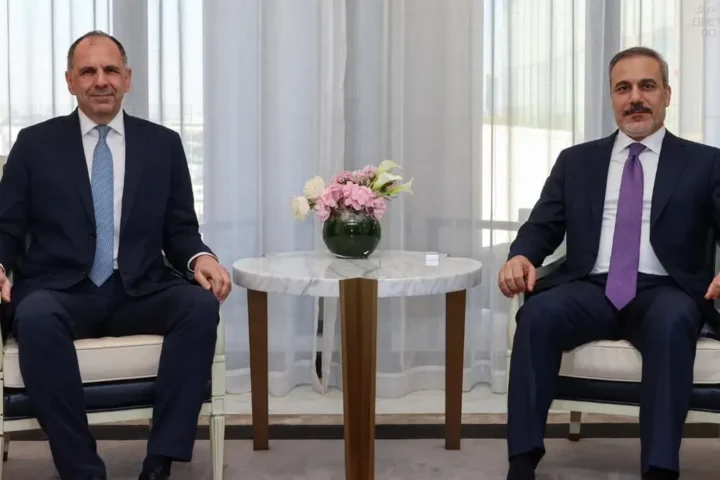
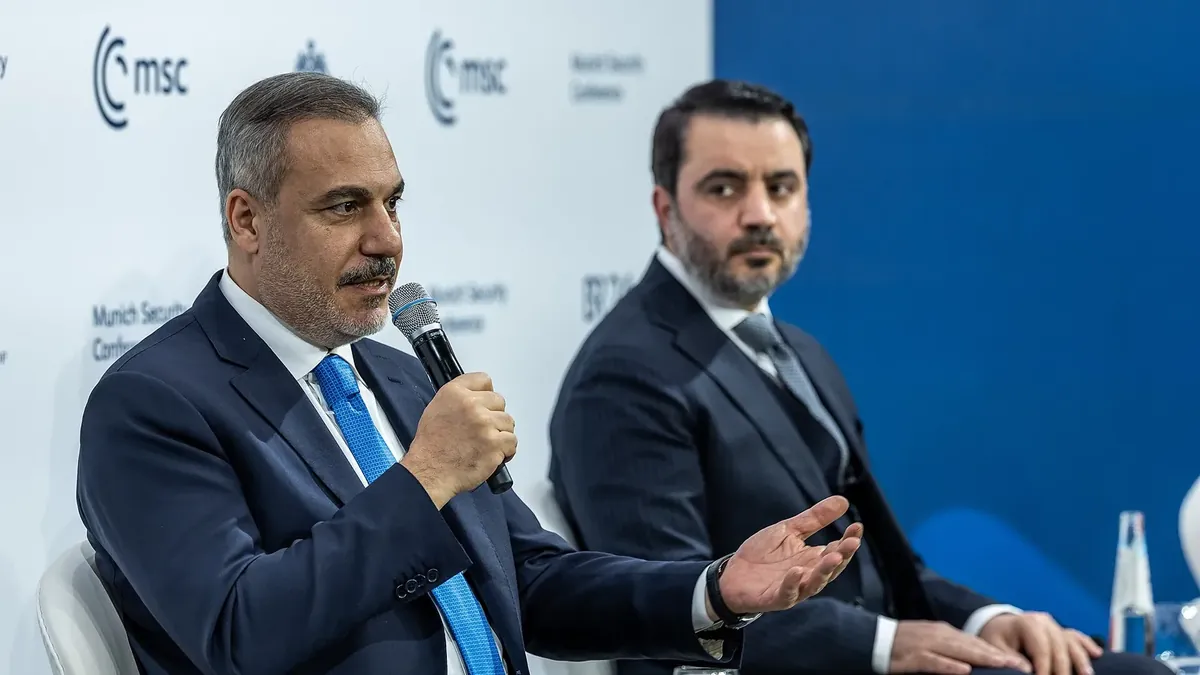
Turkish Foreign Minister Hakan Fidan asked the European Commission on Friday, November 20, not to tie the upgrade of the EU-Turkey Customs Union to the Cyprus issue. He conveyed the message in Ankara to Raffaele Fitto, the Commission’s Executive Vice-President for Cohesion and Reforms, who is also the EU’s envoy on Cyprus. Fidan’s positions were relayed by sources at the Turkish Foreign Ministry, as reported by Turkey’s CNN Türk. Fitto limited himself to a short post on X, describing a “constructive exchange on issues of mutual interest”.
According to the Turkish account, Fidan said Turkey and the EU can take significant steps on the basis of their common interests and that it is not the right strategy to leave the future of EU-Turkey relations “hostage” to the Republic of Cyprus, which Ankara calls the “Greek Cypriot Administration of Southern Cyprus”. Ankara does not recognise the Republic of Cyprus, an EU member state, while it keeps in place the military occupation of the island’s northern part, which began with the 1974 invasion and is condemned by UN Security Council resolutions.
Nicosia: back to where talks stopped
The visit followed reports of a European proposal to Ankara. As recorded on November 12 by Hürriyet Daily News, Greek Cypriot media wrote that Fitto would tell Turkey that talks on modernising the Customs Union can restart if Ankara takes steps to resume the Cyprus talks. The same reports said Commission President Ursula von der Leyen presented the idea to UN Secretary-General António Guterres on the margins of COP31 in Antalya.
Nicosia’s position, as stated by government spokesman Konstantinos Letymbiotis and reported by Formiche, is that it will agree to progress in EU-Turkey relations, including talks on the Customs Union, only if Ankara returns to the negotiating table from the point where the process stopped at Crans-Montana in 2017. On Thursday, November 19, the eve of the meeting, Turkish Cypriot leader Tufan Erhürman spoke by phone with Fitto for about half an hour. Fitto has repeatedly said he is “encouraged” by the Christodoulides-Erhürman agreement on two new crossing points and by the prospect of a joint meeting with Guterres.
Two states and trade interests
A day earlier, on November 19, Fidan had spoken of “two states” in Cyprus from the podium of the Turkish Grand National Assembly, a formula that runs against the UN framework of a bizonal, bicommunal federation and against the relevant Security Council resolutions. Access to the European market is at the centre of Ankara’s interest: EU-Turkey trade reached €217.6 billion in 2025 and Turkey is the Union’s fifth-largest trading partner. Under the current framework, when the EU signs a free trade agreement with a third country, that country’s goods enter the Turkish market without the corresponding duties, while the third country is not obliged to give Turkish products the same duty-free access.
The contrast between the two approaches is clear: Ankara seeks economic benefits from the European single market while rejecting the basic obligations that come with them towards a member state, the Republic of Cyprus.