Middle East & North Africa
Pezeshkian: Mojtaba Khamenei has given the government some powers to negotiate with the US; Vance: “We have made some progress”
Iranian President Masoud Pezeshkian said Supreme Leader Mojtaba Khamenei has authorised the government to negotiate with the US. Vice President JD Vance spoke of cautious optimism and “some progress”, and Brent fell about 6%.

Iran’s Supreme Leader Mojtaba Khamenei has given the government authorisation to negotiate with the United States, President Masoud Pezeshkian said on Monday, November 2. “We are trying to resolve the issue through dialogue and, in this direction, the supreme leader has granted some powers to the government,” Mr Pezeshkian said, in words published by the state news agency IRNA.
The Iranian president did not specify exactly which powers were granted, nor whether a broader change in Tehran’s stance in the negotiations is expected. He added, according to Iranian state media, that Tehran seeks to resolve the conflict with the US without a return to full-scale war.
Vance: progress, but no deadlines
Vice President JD Vance spoke with cautious optimism. “The president and I are fairly optimistic about the prospect of potentially reaching a deal through negotiations. We will keep working on it,” he told reporters. He added that the Iranians “are always a little unpredictable” and that Donald Trump retains both military and non-military options, “but we have certainly made some progress”.
Asked whether Iran has been given a deadline before new strikes, Mr Vance answered: “No, we have not set deadlines.” He did set as a key condition a clear and verifiable commitment that Iran will not rebuild its nuclear programme, which Washington says has been destroyed. The letter he himself sent in late October to senior Iranian military official Mohsen Rezaei, who has direct contact with Mr Khamenei, gave the negotiations a push.
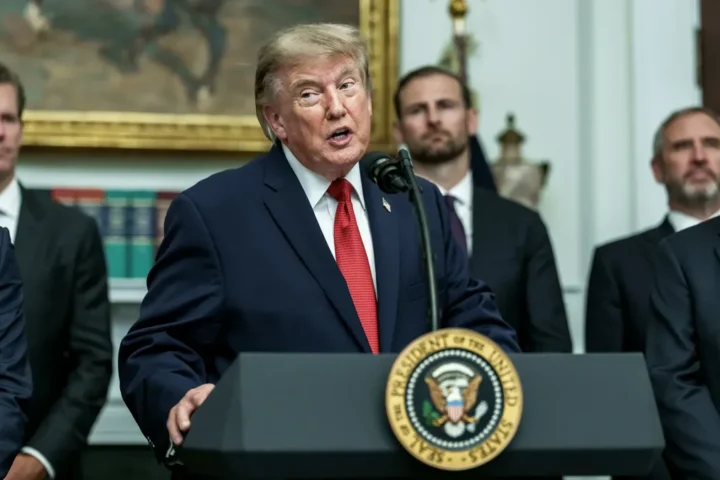
Earlier, at the reopening of the Reflecting Pool at the Lincoln Memorial in Washington, Mr Trump had said of the Iranians: “They want to make a deal, and it’s likely to happen.” He also said Tehran asked Washington to stop targeting its leaders, “and we will do that”. In October he had pledged not to attack Iran before the midterm elections on November 3, as we reported on the warnings to Gulf states about possible strikes after the vote.
Oil slumps; easing in Hormuz comes with conditions
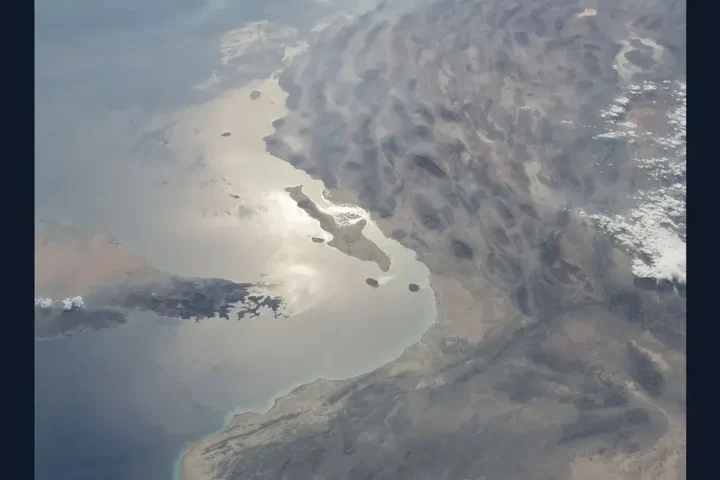
Markets reacted. Brent fell about 6% to below 107 dollars a barrel, after a rally above 110 dollars in October on fears that the war would flare up again. Iranian officials have nonetheless repeated that the country will facilitate energy shipments through the Strait of Hormuz and will return to formal negotiations only after the US lifts its economic blockade.
Tensions in the Middle East have lasted since February 28, when the US and Israel attacked Iran and Tehran responded with strikes across the region. Nor has the memorandum that Washington and Tehran signed in June closed the disagreements over security arrangements and navigation in the Strait of Hormuz.