Middle East & North Africa
Trump tells advisers he may hold off on new Iran strikes if there are no fresh provocations – Reuters
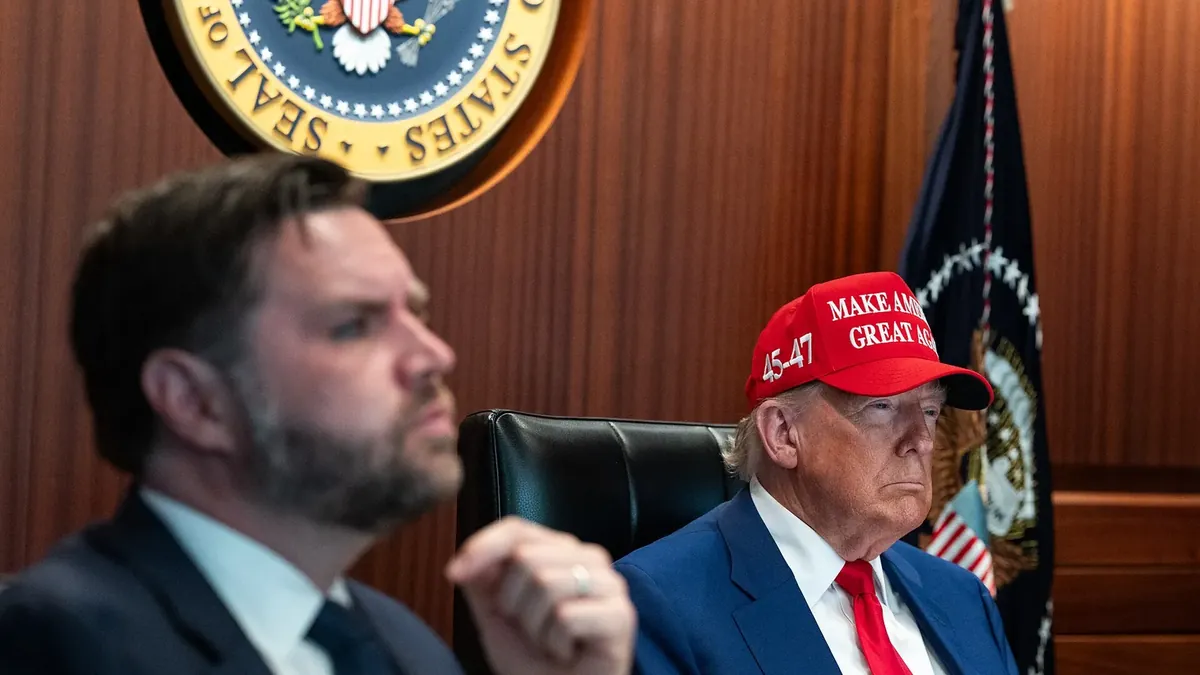
Reuters reports, citing three people familiar with the matter, that Donald Trump has told close aides he may not strike Iran again as long as Tehran and the Houthis do not provoke the US. The White House neither confirmed nor denied.

Donald Trump is telling close aides that he may not attack Iran again, as long as the US does not face new provocations from Tehran or from Iran-backed Houthis in Yemen. The information was revealed on Saturday, November 14 by Reuters, citing three people with knowledge of the matter. According to the same sources, the American president voiced the thought in meetings with his national security advisers and after a series of intelligence briefings. Current and former officials nevertheless assess that he has not taken a final decision on how to close the conflict that began, together with Israel, in February.
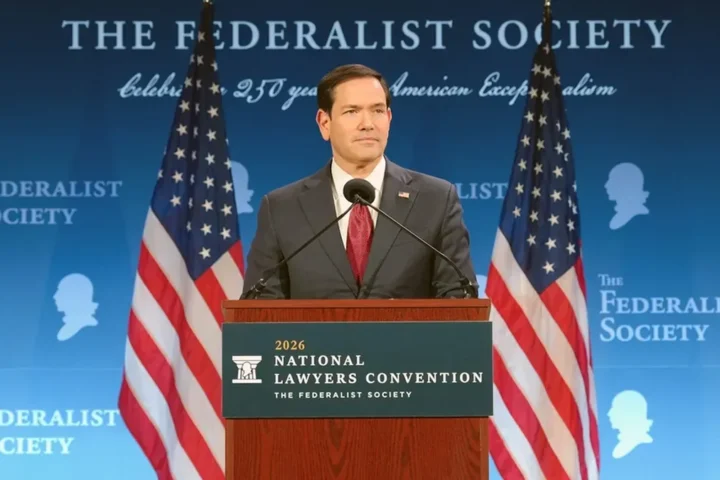
A second, independent source points in the same direction. A US official told the Washington Post that “it has become fairly clear that Trump does not want to return to war for now.” The paper describes a middle line for the administration: neither a new war, nor talks, nor permanent peace. The approach matches the public position of Marco Rubio that no new military action against Iran is needed because economic pressure is working (our report).
The White House neither confirmed nor denied. “As commander in chief, President Trump is the architect and the sole decider, he holds all the cards and will always ensure the protection of America’s interests,” an official said in a written statement. “Only President Trump knows what he will do and when,” he added. Publicly, Trump is sending a double message. On Thursday, November 12 he told the Salem News Channel that he would strike Iran “without hesitation” to stop it from threatening allies and American ships, while the same day, in an interview with sports commentator Stephen A. Smith, he said: “I could end it immediately, but at the request of the countries I want to protect, we are doing it a bit more slowly, a bit more civilised.”
Bin Salman and Erdoğan urged restraint
In phone calls over the past two weeks, Trump sought the opinion of Saudi Crown Prince Mohammed bin Salman and of Recep Tayyip Erdoğan, who both urged him not to resume the attacks. On October 31, Trump reportedly told the Saudi crown prince that he was planning an attack after the midterm elections, with bin Salman begging him to wait, arguing that economic sanctions are working. The Turkish presidency reports three conversations between the two leaders since October 28. US intelligence agencies assess that new strikes would not substantially change Iran’s demands in negotiations. Trump was also briefed on US weapons stockpiles, some of which have fallen to worrying levels, while the White House maintains that the military has enough munitions for all of the president’s strategic goals.
The military, however, is keeping the option of escalation open. A third aircraft carrier will enter the Middle East in the coming days to replace one of the two already operating in the region, but all three can stay if needed. Trump’s options also include bombing Iran’s underground nuclear facilities, although it is not clear that new strikes would work. A US official says Israeli officials continue to press for a new military campaign, while the head of Mossad was in Washington. The reference to the Houthis carries weight, as the Yemeni rebels said they hit the East-West pipeline and Aramco in Riyadh on Thursday, November 12 (our report).