Africa
UN extends Darfur arms embargo by two months as Russia and China oppose a Sudan-wide ban
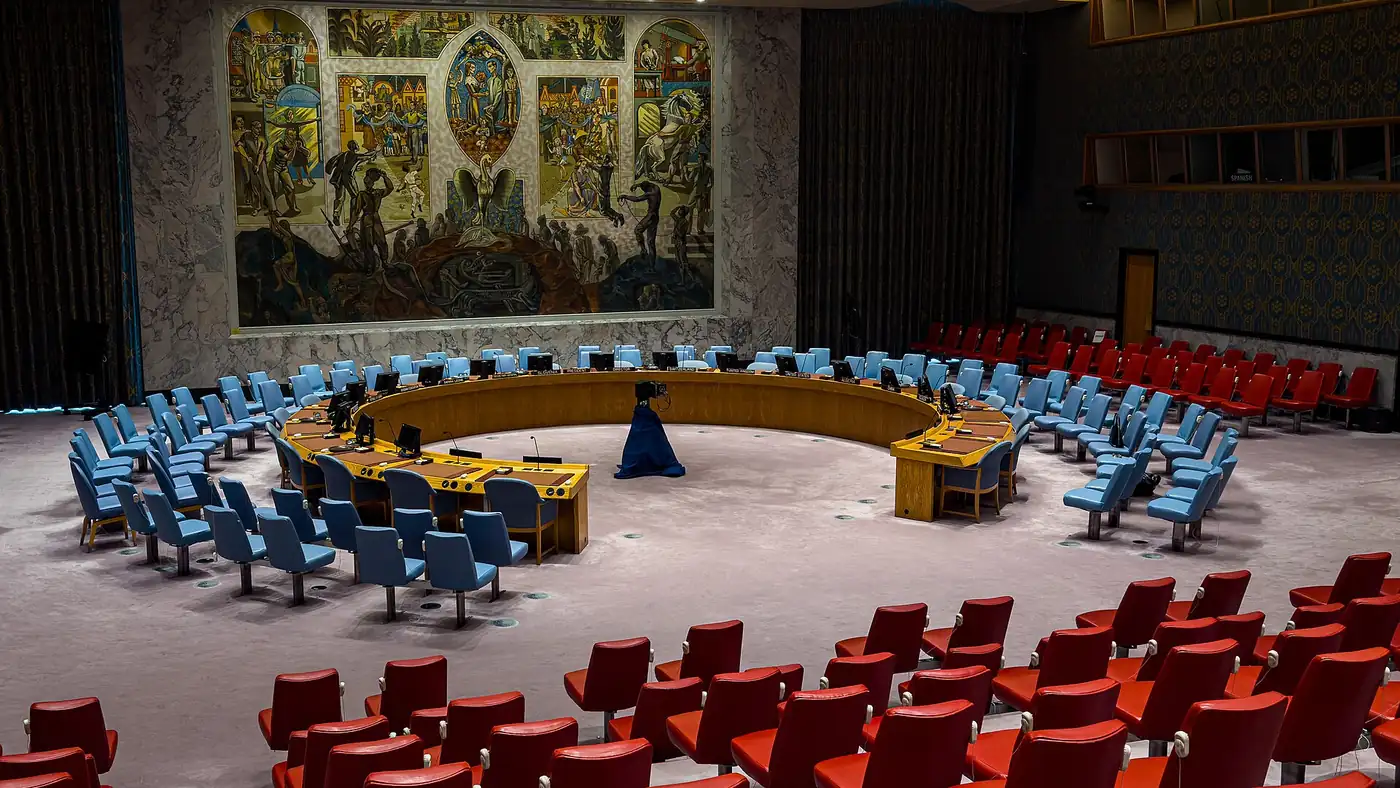
The UN Security Council unanimously extended the Sudan sanctions regime until December 11 on October 8, but the US proposal to widen the arms embargo to the whole country failed to win consensus, with Russia and China opposed.

The UN Security Council extended the arms embargo and other sanctions on Sudan’s Darfur region by two months, but did not approve a US proposal to widen it to the whole country after opposition from Russia and China. UN News reports that the Council unanimously renewed the Sudan sanctions regime on Thursday, October 8, until December 11, to give time for negotiations. The regime comprises targeted sanctions and an arms embargo.
The mandate of the five-member panel of experts that monitors the sanctions was extended until January 11, 2027. UN News described the US-drafted text as a “technical rollover”, a short renewal that leaves the mandate unchanged. The previous renewal, on September 11, had extended the regime for only one month. Besides the arms embargo, the sanctions include a travel ban and an asset freeze.
The US proposal and Moscow’s “no”
Washington had wanted to extend the embargo to the whole of Sudan and to all parties to the current war, and to cover drones and dual-use technology, according to news reports cited by UN News. That effort failed to win consensus; around half of the Council’s members reportedly preferred a one-year renewal confined to Darfur.
After the September 11 vote, US Ambassador Jeff Bartos told the Council: “The current sanctions regime is over 20 years outdated, and is insufficient to address the realities of the war today.” Russia’s deputy ambassador Anna Evstigneeva said in reply: “We will not allow even a hint of broadening the restrictions by the council on Sudan.” Sudan’s ambassador argued that a full embargo would violate the right of self-defence guaranteed by the UN Charter, Al Jazeera reported.
The war between the Sudanese army and the paramilitary Rapid Support Forces (RSF), which began in April 2023, has killed at least 59,000 people, while aid groups estimate the toll is far higher. About 13 million people have been displaced. The army controls central and eastern Sudan, and the RSF controls Darfur and parts of the south.
Darfur and the Red Sea
The Darfur sanctions were first imposed in 2005 by Resolution 1591 and target armed actors in the region. Darfur, about the size of Spain, has seen the most extreme violence of the war, with attacks on camps for displaced people and successive ethnic massacres that have killed thousands. The war has pushed parts of the country into famine.
Russia’s stance is also linked to its interests in the region. Moscow has signed an agreement with Sudan for a naval support point at Port Sudan on the Red Sea, while China is one of the country’s largest economic partners. Sudan is also part of the four-way format with Egypt, Eritrea and Somalia that met in New Alamein on October 4 and coordinates its positions on Ethiopia, turning the war into part of a wider confrontation in the Horn of Africa.