Politics & Diplomacy
UN General Assembly elects 15 members to the Human Rights Council, including Ukraine, Germany and Japan
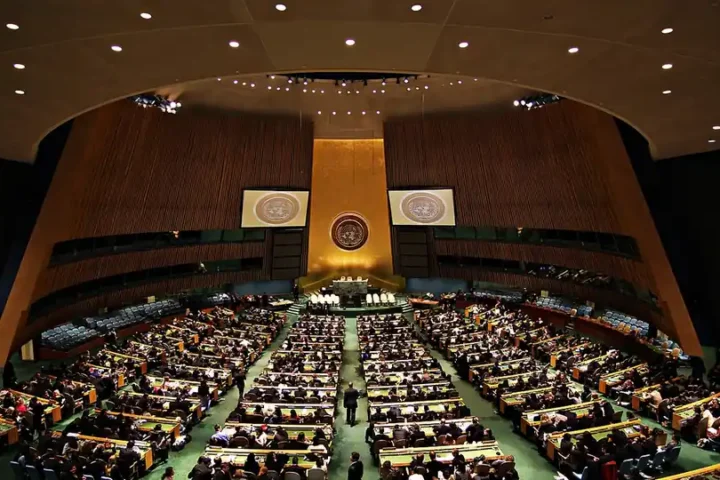
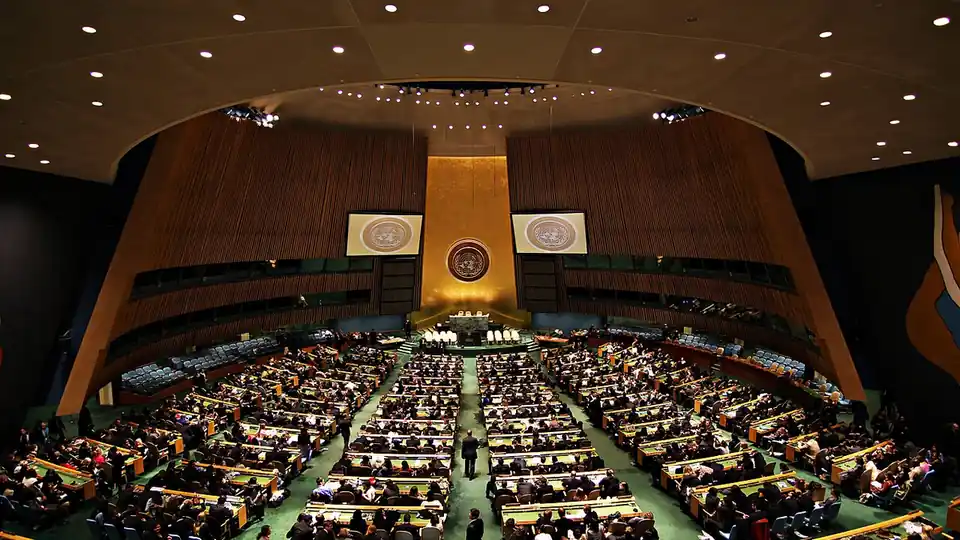
The General Assembly filled 15 of the Human Rights Council's 47 seats by secret ballot on 13 October, with terms starting on 1 January 2027.

The United Nations General Assembly elected 15 members to the 47-seat Human Rights Council on 13 October 2026, voting by secret ballot in a single round, according to the UN press service. The new members take their seats on 1 January 2027 for three-year terms.
The seats were filled by Burundi, Ghana, Nigeria and Zambia from the African States; Japan, Jordan, Kuwait and Nepal from the Asia-Pacific States; the Republic of Moldova and Ukraine from the Eastern European States; Brazil, the Dominican Republic and Uruguay from the Latin American and Caribbean States; and Germany and Ireland from the Western European and other States. The meeting was the 20th of the Assembly’s 81st session, and its President, Khalilur Rahman of Bangladesh, announced the regional distribution of the vacant seats before the vote.
The vote counts
In the African group, Zambia received 177 votes, Ghana 173, Nigeria 172 and Burundi 160, out of 181 valid votes. In the Asia-Pacific group, Kuwait and Nepal each received 173, Jordan 171 and Japan 166, with 180 valid votes and one abstention. Moldova won 168 votes and Ukraine 162 among Eastern European States, with 181 valid votes and 12 abstentions. Brazil and the Dominican Republic each received 170 and Uruguay 165, with 7 abstentions. Ireland won 165 votes and Germany 163, with 15 abstentions in the Western European and other group.
Who leaves the Council
The Council’s seats are renewed every year on a regional basis, and members may serve two consecutive terms. According to the UN, China, Côte d’Ivoire, Cuba, France and Malawi were not eligible for immediate re-election after two consecutive terms. The UN account does not list the other outgoing members whose terms end on 31 December.
The UN’s account of the vote does not mention Greece, Cyprus or Turkey, and the Assembly went on to continue its debate on revitalising its work.