Military & Defense
BAE Systems at AUSA 2026: the MDACS gun with HVP rounds and a high-power microwave weapon against drone swarms
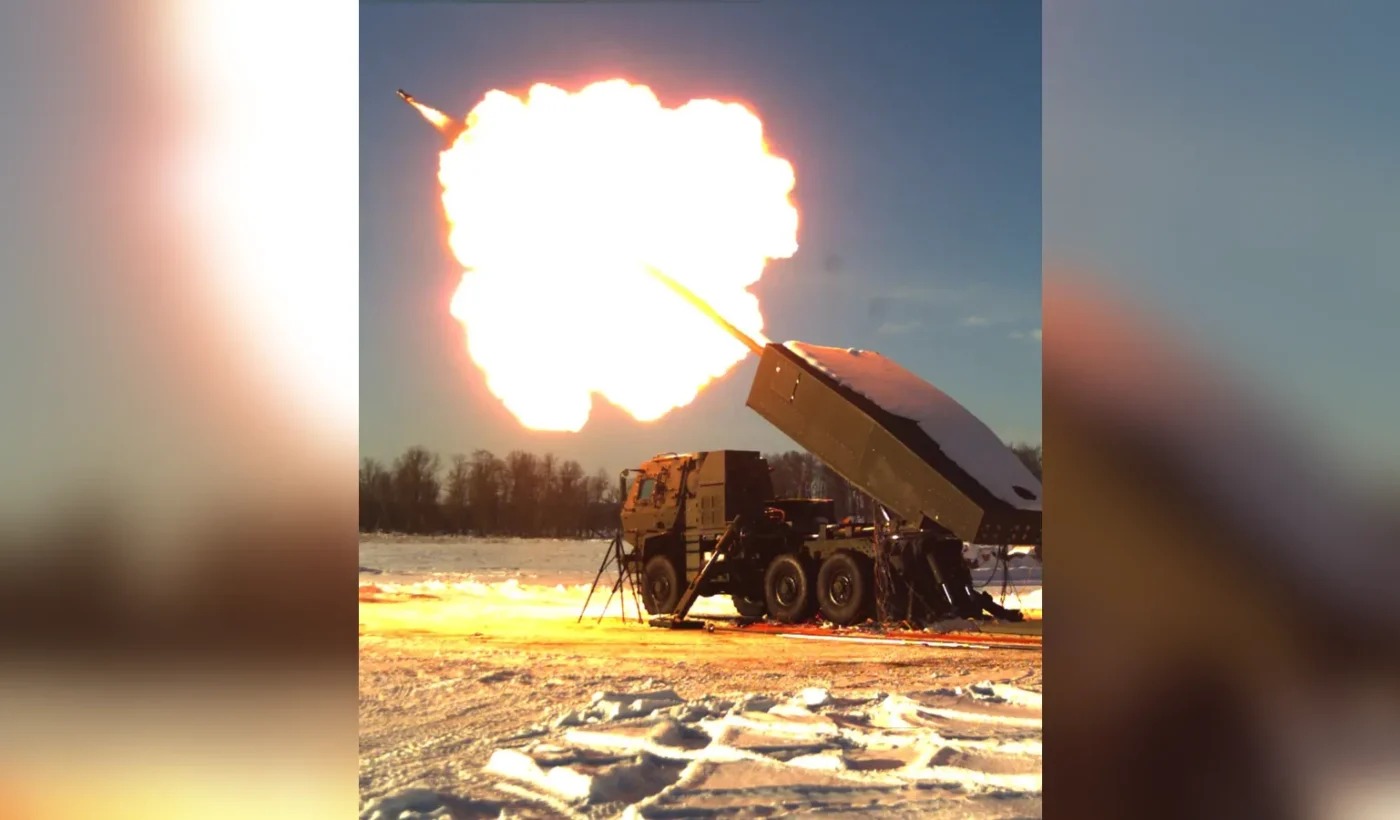
BAE Systems showed the Multi-Domain Artillery Cannon System (MDACS) and a High Power Microwave (HPM) weapon at AUSA 2026, presenting them as two layers of a layered defence against drones and missiles.

BAE Systems presented two new systems for countering drones and missiles at the US Army’s AUSA 2026 exhibition in Washington: the Multi-Domain Artillery Cannon System (MDACS) and the High Power Microwave (HPM) weapon. According to the company’s announcement of October 12, they can form two layers of a multi-layered defence for critical facilities and units in the field.
BAE’s reasoning is economic as much as technical. Swarms of cheap drones have outgrown the capabilities of systems that rely on expensive missiles and a limited number of rounds. “The threat environment is evolving faster than traditional procurement cycles,” said Jason Casciotti, vice president of the company’s weapon systems line, summing up the logic of the HPM with the phrase “as long as there is power, there is defence.”
MDACS: a gun with hypervelocity rounds
MDACS is the kinetic layer. It can be carried by a C-130 and fires a family of guided projectiles: the Hypervelocity Projectile (HVP) for air defence, missile defence and counter-drone use, and the Scorpio-XR, the newest member of the HVP family, for ground targets, with which the company expects to double the range of existing 155 mm guided projectiles.
The HVP has no rocket motor. It relies on a low-drag aerodynamic design to achieve high speed, manoeuvrability and range, and it is smaller and cheaper than a missile, so a magazine can hold from dozens to hundreds of rounds.
Speaking to Military Times, in remarks published by Defense News, BAE communications lead Travis Langer said the company is working with the US Army to integrate MDACS into the sensor network and the IBCS command system, so that it remains effective without GPS. BAE received a contract for an MDACS prototype in January 2025, with the Army planning around $646 million for the programme through fiscal year 2027.
HPM: microwaves against swarms
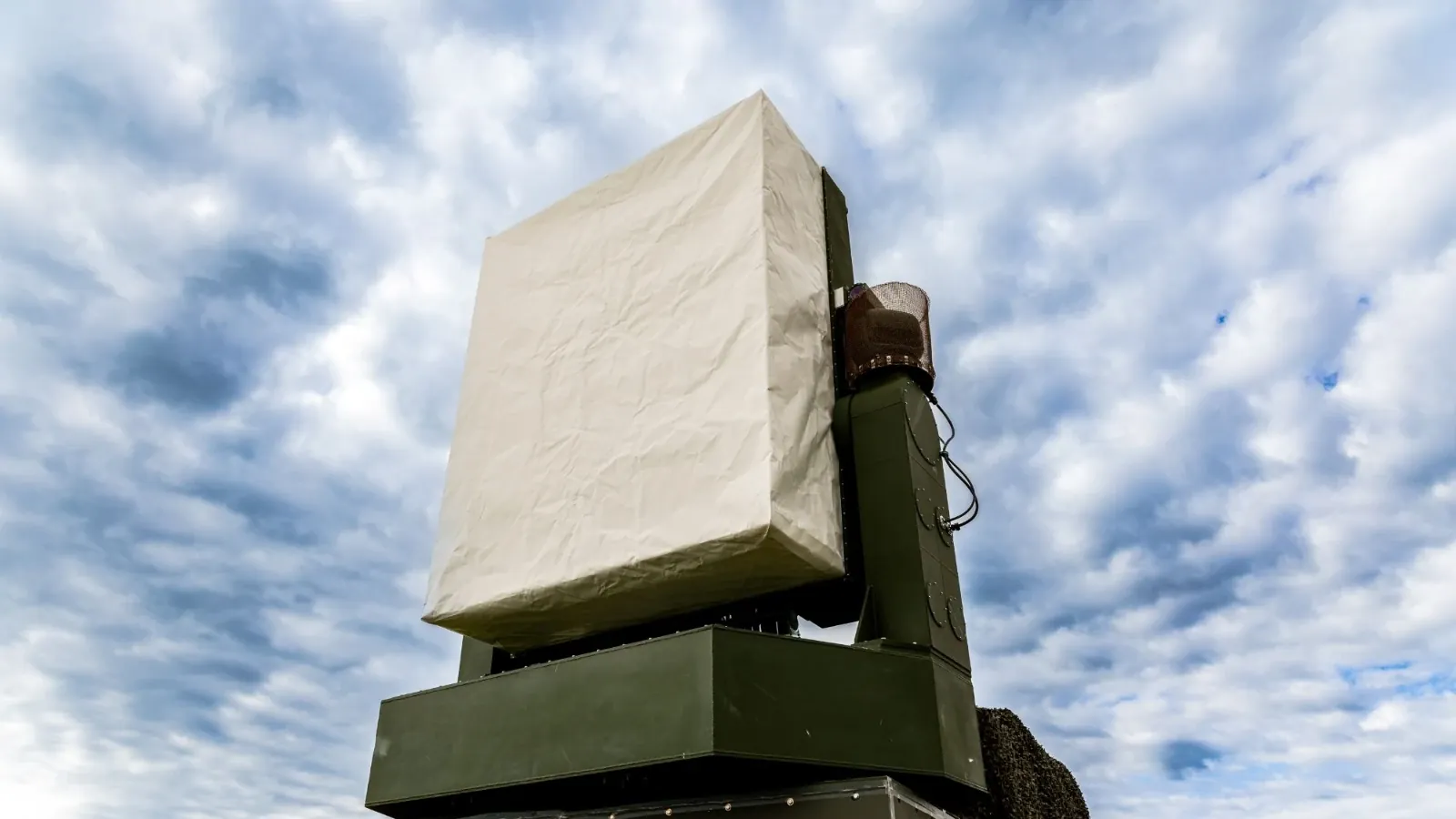
The HPM is the directed-energy layer. It uses focused electromagnetic energy to neutralise large numbers of cheap targets, such as drone swarms, without needing resupply of ammunition. More than 99% of its components are commercially available. The system is still a prototype but, according to the company, has reached technology readiness level TRL 6, meaning it has been demonstrated in a realistic environment outside the laboratory.
BAE makes clear that the two systems were not designed to necessarily work together and that decisions on testing and certification belong to the government. Both fit into a broader US shift: the US has already selected laser and microwave weapons to protect bases and has started receiving the VAMPIRE counter-drone systems.