Middle East & North Africa
Bahrain sounds its first nationwide alert since September as the Revolutionary Guards say six drones hit a US air-defence radar
Bahrain's interior ministry issued two alerts before dawn on November 15 while Iran's Revolutionary Guards claimed a 'second phase' of retaliation against a US radar at Al-Riffa. Washington and Manama have not confirmed damage.

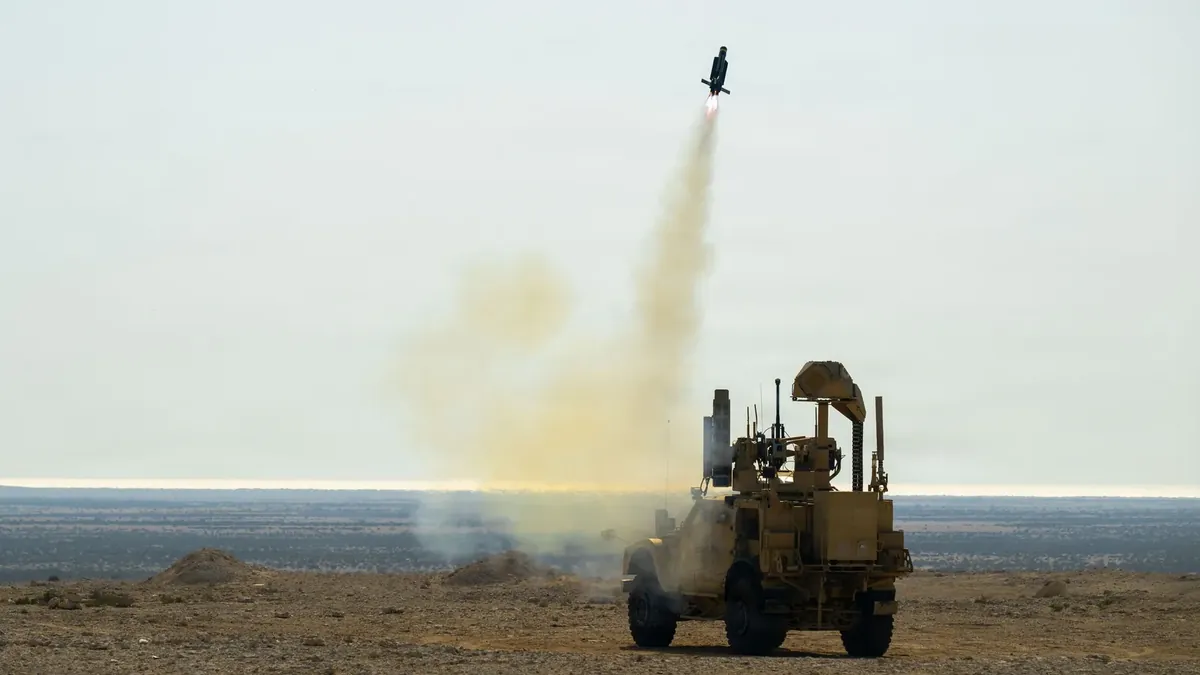
Bahrain sounded a nationwide alert for a possible threat in the early hours of Sunday, November 15, its first since September, while Iran’s Revolutionary Guards (IRGC) announced that six drones of their Aerospace Force hit a US air-defence radar at the Al-Riffa helicopter base. The Guards call the attack the “second phase” of their retaliation for American military action against Iran. The claim of damage to the radar came without evidence and has not been confirmed by the United States or Bahrain. The Gulf island state hosts the headquarters of the US Navy’s Fifth Fleet.
Bahrain’s Interior Ministry issued two notices, at 5:32 am and 7:50 am local time, calling on citizens and residents to stay calm, go to the nearest safe place and get information only from official channels, without specifying the nature of the threat. Residents reported explosions around 4 am and a second series at about 6:30 am. The Bahrain Defence Force then announced that its air defences intercepted and destroyed several Iranian aerial attacks before they reached their targets. It added that all its units are at the highest level of readiness.
The Guards’ statement, broadcast by Iranian state television and the Tasnim agency, says the strikes were “heard in various areas of Bahrain” and that more drones were used in this phase than in the previous one. “The Strait of Hormuz is closed and any attack by the American enemy will be met with an even harsher and stronger response,” it concludes. The Guards also claim that the US plan to escort tankers through the strait failed, calling it an oil “smuggling operation”. The Fars agency, which is close to the Guards, spoke of “successful attacks” on American bases in Bahrain, giving no details on targets, weapons or damage.
The “first phase”, in Iranian terminology, was the attack of Friday, November 13, when the Guards said they destroyed a US early-warning radar in Bahrain in retaliation for the strike at Sirik. US Central Command (CENTCOM) denied that claim, saying the Guards launched two one-way attack drones toward Bahrain and that both were shot down by American forces, with no injuries or damage. For Sunday’s attack Washington had made no statement by the morning.
The escalation in Bahrain comes as diplomatic efforts to end the war, which began with American and Israeli strikes on Iran on February 28, have produced no result. Donald Trump has said in recent days that he may not strike Iran again if Tehran and the Houthis do not provoke the US, while keeping the naval blockade. Meanwhile Iranian forces continue to announce tanker explosions on mines in the Strait of Hormuz, such as the third tanker hit by a mine reported on Saturday, claims that have also not been independently confirmed.