Land Forces
Lebanon: IDF 7th Brigade says it killed about 400 Hezbollah fighters and destroyed 3,500 sites; an underground complex nearly two kilometres long
After eight months of operations in southern Lebanon the IDF’s 7th Brigade completed its mission, the Israeli army said on November 3, claiming about 3,500 Hezbollah sites destroyed and about 400 fighters killed. The figures are the IDF’s own.

After eight months of operations in southern Lebanon, the Israeli army’s 7th Brigade completed its mission, with a toll announced by the IDF on Tuesday, November 3: about 3,500 Hezbollah sites destroyed and about 400 of the organisation’s fighters killed. The figures are the Israeli army’s own and have not been independently verified. The force, made up of armour, Golani infantry and combat engineers, had crossed the border on March 8.
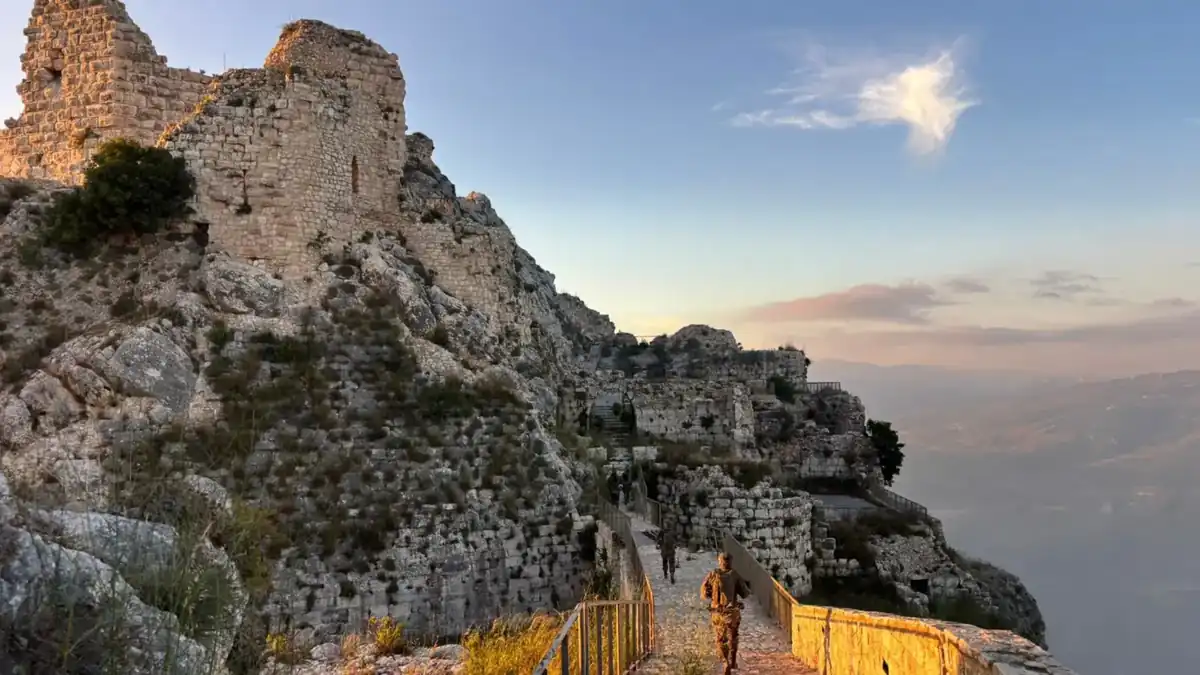
According to the IDF, the 7th Brigade’s route passed through Qantara, the Saluki river and the Litani river and reached the Beaufort ridge before the forces returned to Israel. The combat engineers opened corridors to the Litani and Beaufort areas, clearing obstacles and neutralising explosive devices and mines.
The underground network at Qantara
At Qantara soldiers found underground systems, among them one almost two kilometres long, with living quarters, a kitchen and electricity. “We’re not talking about tunnels with one or two rooms. These are huge installations, with room for hundreds of fighters,” said Lt. Col. A., commander of the 75th Armoured Battalion.
Hezbollah resumed rocket and drone attacks from southern Lebanon on March 2, 2026, breaking the ceasefire in force since November 2024. The IDF responded with a broad air campaign and expanded ground operations in Lebanon. A new ceasefire came in June, followed by Israeli-Lebanese talks in which military representatives of the two sides met in October, while Hezbollah’s secretary-general rules out the organisation’s disarmament.
Operations continue in the security zone
The 7th Brigade’s withdrawal does not mean the end of the IDF presence. On Sunday, November 1, the army announced, troops of the 769th Brigade, operating under the 91st Division, found weapons in a civilian home near Khiam and located and neutralised a storage site for explosive drones. Seized weapons included rockets, Kalashnikov rifles, ammunition and explosive drones. The IDF stresses that its forces will keep acting to remove threats while remaining committed to the ceasefire agreement.
Separately, Israel’s Kan network reported that Israel asked, through US mediators, for the Lebanese army to set up checkpoints in areas where Hezbollah members live, so the organisation is not drawn in if hostilities with Iran resume, as we wrote in our report on Israel’s request to Beirut. Israeli security officials have described the shift of forces in southern Lebanon towards a stance of “forward and offensive defence”, with positions being prepared for the winter, Ynet reported on October 4.