Europe
UK tells UN Security Council that Russia is weaponising food and energy, citing 116 attacks on Ukraine’s power grid in a week
At a Security Council meeting on 23 November, the UK said Russia launched 116 attacks on Ukrainian energy infrastructure last week, left 600,000 civilians without power and is disrupting grain exports through attacks on ports and ships.

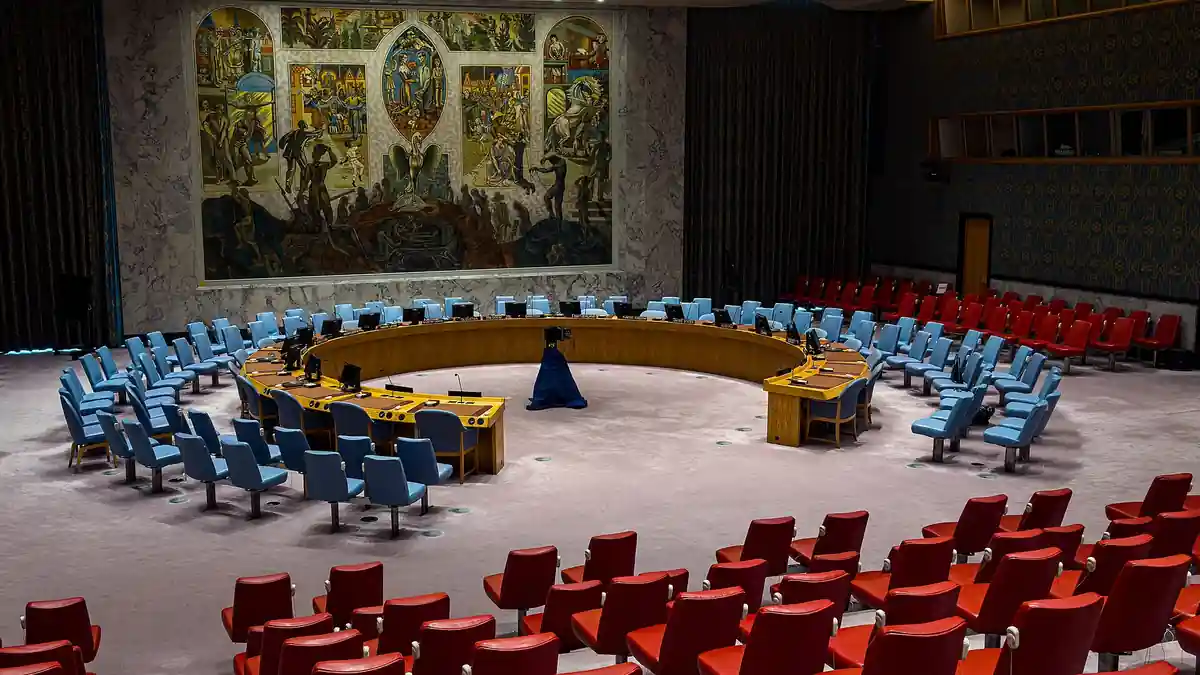
The United Kingdom told the UN Security Council on 23 November that Russia is trying to “weaponise food and energy”, and that the effects reach well beyond Ukraine. In a statement published by the UK government, London cited 116 Russian attacks on Ukrainian energy infrastructure in the past week and called for an immediate end to strikes on energy and food infrastructure and a full, unconditional ceasefire. The meeting was held as winter sets in; UN News described it as a session on attacks on Ukraine’s power grid and on Black Sea shipping.
Energy: “This winter, you will freeze”
The UK delegate said Russia is intensifying attacks on the energy system, and that last week’s 116 attacks left 600,000 civilians without power. The statement said the Russian Ministry of Defence had declared an intent to deprive Ukrainian civilians of energy, quoting it as saying “This winter, you will freeze”. It also said the UN Commission of Inquiry has concluded that Russia’s attacks on Ukraine’s energy infrastructure constitute war crimes, and that almost 11 million people in Ukraine need humanitarian assistance. These are the UK’s statements and its account of UN findings; the published text carries no reply from Russia.
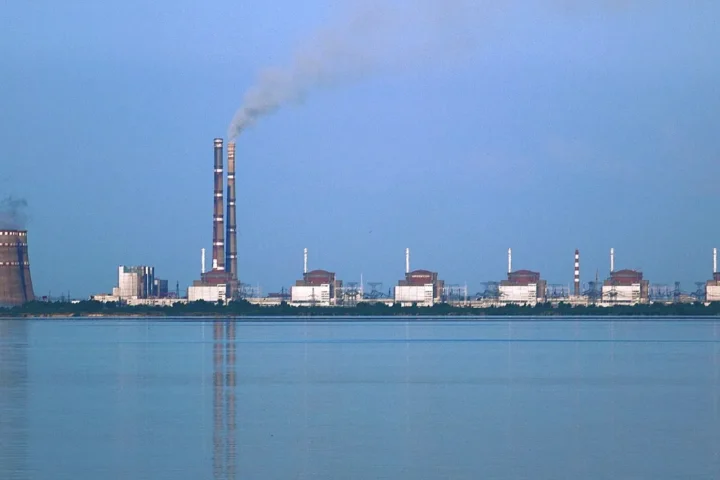
The grid’s fragility also features in the nuclear field: in our report on the UK’s statement to the IAEA Board, London cited Agency findings on damaged substations that supply nuclear plants. Earlier Geopolitiki reports followed the IAEA-brokered local ceasefire at Zaporizhzhia to repair a backup transformer and the plant’s 27th loss of external power.
Food and the Black Sea
On food, the UK said Ukraine is one of the world’s major agricultural producers, exporting wheat and grain to countries in Africa, the Middle East and South Asia, including people most at risk of food insecurity. It said Russia has repeatedly attacked Ukraine’s port infrastructure, storage facilities and civilian vessels, leading to significantly reduced exports and higher global food prices. It added that attacks in Romanian and Bulgarian waters have sunk multiple ships and caused the deaths of tens of sailors.
UN News, in its account of the meeting, reported that ships flagged to Greece, Liberia and Somalia were hit in the Black Sea in mid-November, and that two sank, one of them carrying wheat. The UN item, as read, does not say who carried out those strikes; the UK statement attributes attacks on ships to Russia.
Civilians and airspace
The UK said July to October were the four deadliest months for Ukrainian civilians since September 2022, with more than 370 people killed each month, 54 per cent more than in the same period last year. It said Russia’s attacks on Kyiv last week damaged a number of embassies, and that Polish airspace was again violated by Russia on 20 November.
The UK’s call
Quoting Prime Minister Andy Burnham, the delegate said “Russia is losing men. Russia is losing ground, and Russia is losing the battle to break Ukraine”, and that President Putin “could end it tomorrow”. The UK urged Moscow to stop attacks on energy and food infrastructure, which it said would protect civilians and help build confidence towards a wider peace, followed by a full, immediate and unconditional ceasefire, “as Ukraine has repeatedly offered”.
The statement is a national position delivered to the Council. It is not a Council decision.