Europe
Poland ready to send troops to the Baltic states without waiting for NATO’s Article 5, Onet reports
Two unnamed Polish ministers told Onet that Warsaw would not wait for a formal Article 5 decision if Russia launched a limited attack; the government has announced nothing officially.

Poland is ready to send troops immediately to help the Baltic states in case of a Russian armed attack, without waiting for the formal activation of Article 5 of the North Atlantic Treaty. The Polish news outlet Onet reports this, citing two unnamed ministers of the Warsaw government. The Polish government has not officially announced any such decision.
According to the report, Poland and other NATO countries are actively discussing how they would respond to a limited Russian attack on Estonia, Latvia or Lithuania. The intelligence assessments Onet cites say Russia currently lacks the capacity for a full-scale invasion of a NATO country but could attempt a local armed provocation.
The outlet’s sources believe that if an attacked country did not receive timely military help, it would in practice mean the collapse of the Alliance’s collective defense system. And if Poland itself were hit in a similar way, it could find itself without its allies’ support.
The two ministers disagree on the scale of a possible Polish involvement. One stressed that military aid to the Baltic states must not weaken Poland’s own defense, and said sending special forces would be likelier than sending tank units.
Defense Minister Władysław Kosiniak-Kamysz said in September, at the Karpacz Economic Forum, that if Russia attacks the Baltic states, Poland must be among the first to rush to help and ask for Article 5 to be activated. Polish troops have been in Latvia since 2017 as part of NATO’s eastern-flank reinforcement; according to the Polish foreign ministry, more than 230 Poles served in the Alliance’s multinational brigade in Latvia in September 2026.
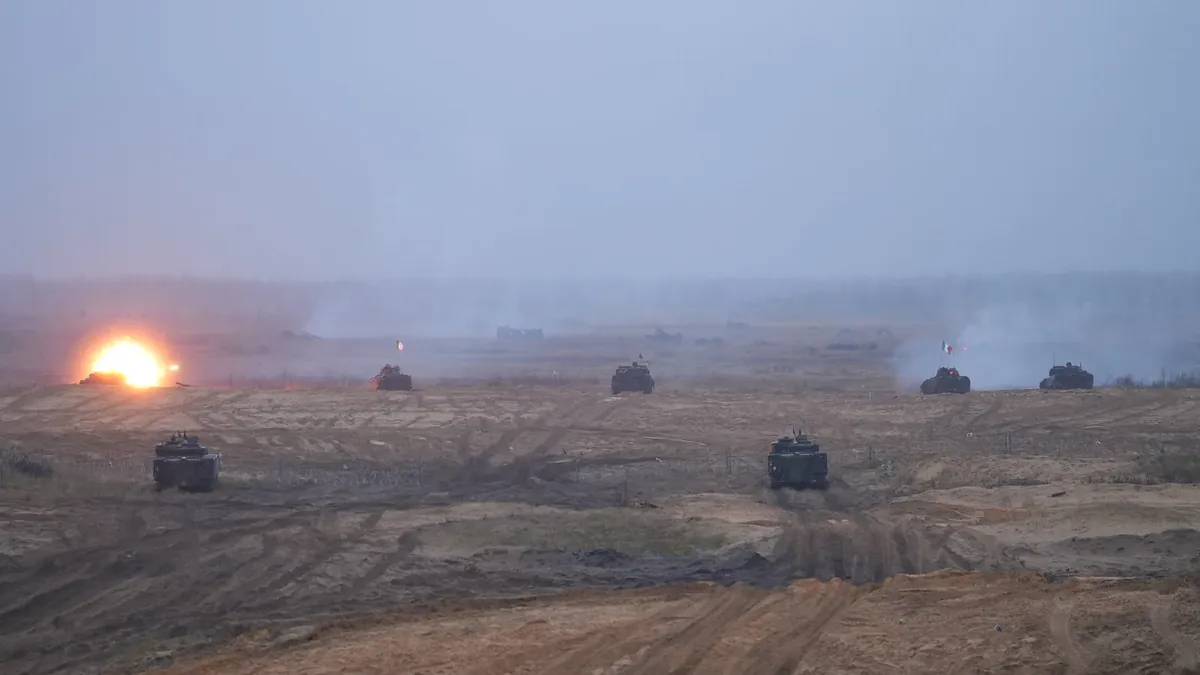
On November 6, large NATO exercises with about 6,000 troops began in Lithuania, with one goal being better interoperability among German, Lithuanian and Polish units. Since September, Lithuania and Poland have also been preparing a plan to evacuate Baltic civilians across their shared border in wartime.
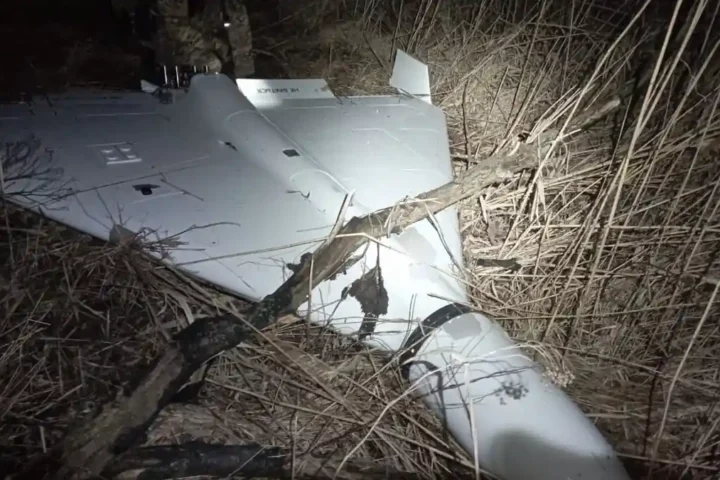
The report comes at a time of heightened tension in the region. Night-time drone alerts were recently sounded in Latvia and Estonia, and Warsaw announced a no-fly zone along its eastern border.