Analysis
Parthenon Marbles explained: why Greece wants them back
Where the Parthenon Marbles are, why Greece asks for their return, what the British Museum Act 1963 says and what UNESCO has told the UK.

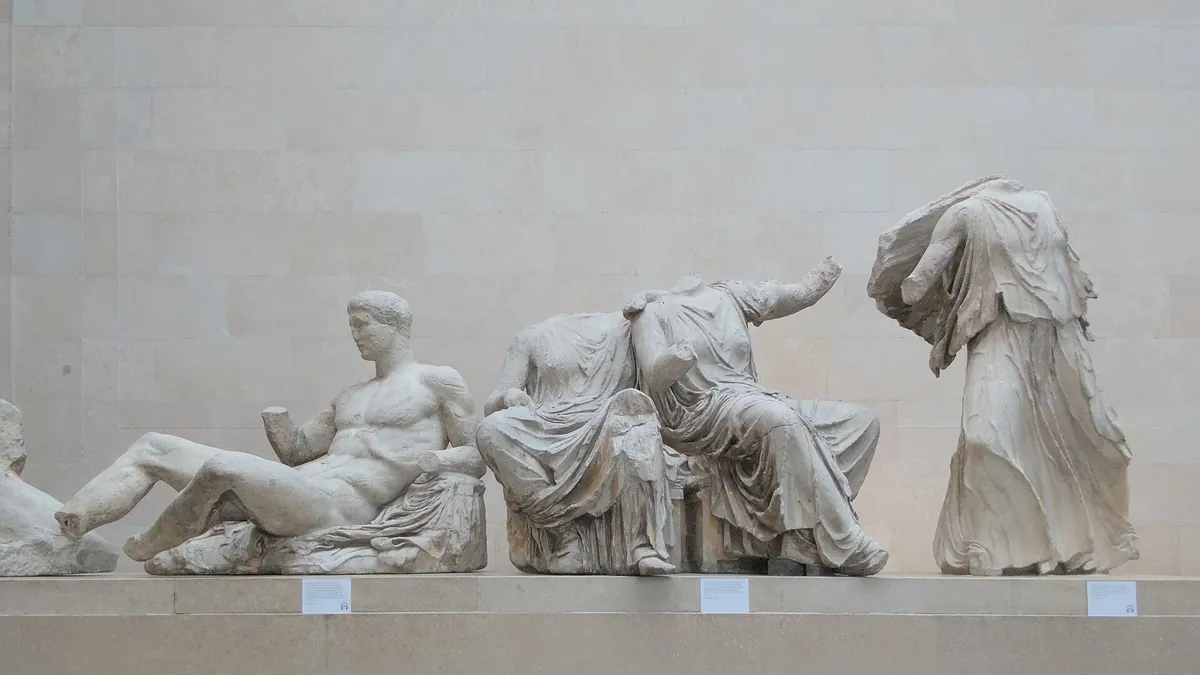
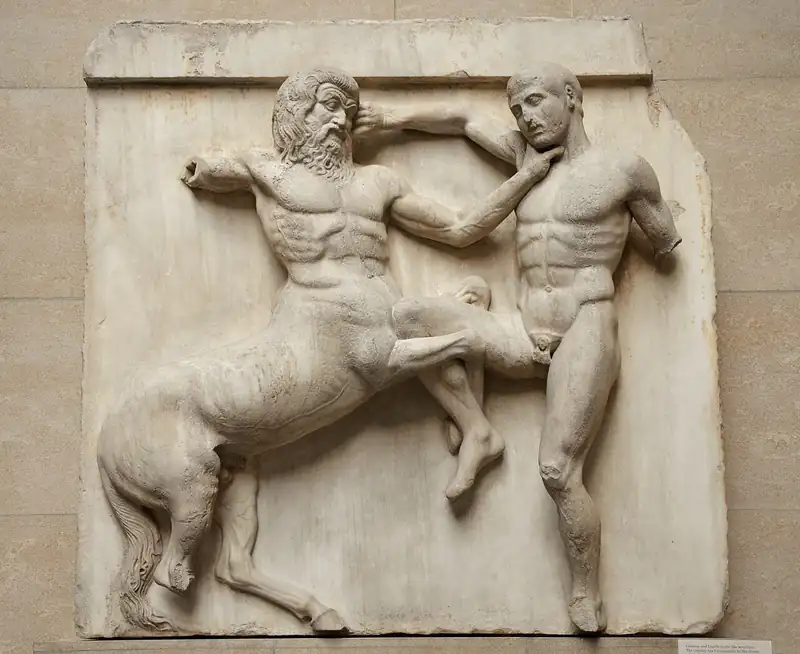
Parthenon pediment sculptures in the British Museum, London. Photo: Dominic's pics, CC BY 2.0, via Wikimedia Commons
The Parthenon Marbles, also called the Elgin Marbles or the Parthenon Sculptures, are the surviving marble sculptures of the Parthenon in Athens that were taken to Britain in the early 19th century and are now in the British Museum. Greece has formally asked for their return since 1983, and the United Kingdom has refused; the British Museum Act 1963 is the legal reason London most often gives.
This explainer sets out where the sculptures are, why Greece says they belong in Athens, what the British legal position is, and what UNESCO has said.
Key points
- Greece formally requested the return of the sculptures in October 1983, and the UK formally rejected the request in April 1984, according to the House of Commons Library.
- The British Museum Act 1963 bars the Trustees from disposing of objects in the collection except in narrow cases that do not cover the sculptures.
- UNESCO’s Intergovernmental Committee has examined the case since 1984; in 2021 it called on the UK to reconsider its stand and engage in a bona fide dialogue with Greece.
- Greece’s Ministry of Culture says the British Museum holds about 60 per cent of the surviving sculptural material from the monument, with the rest in Athens.
- Greece says the sculptures were taken illegally; the British Museum says Lord Elgin acquired them with Ottoman permission.
What are the Parthenon Marbles?
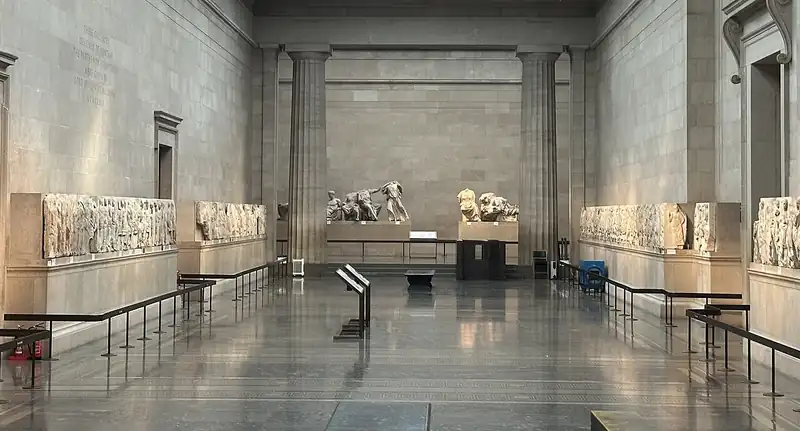
They are the sculptures that decorated the Parthenon, the temple of Athena on the Acropolis. The Greek Ministry of Culture describes the Parthenon as built in the 5th century BC, and the Acropolis of Athens was inscribed on the UNESCO World Heritage List in 1987. The decoration includes the frieze with the Panathenaic procession, the metopes and the pediment figures.
According to the Ministry, the British Museum holds approximately 60 per cent of the remaining sculptural material, and the rest is in Athens, much of it in the Acropolis Museum. The House of Lords Library gives the British Museum’s holdings as 15 metopes, 17 pedimental figures and 75 metres of the frieze.
How did they reach London?
According to the House of Commons Library, Lord Elgin obtained the sculptures between 1799 and 1810. The Lords Library notes that Athens was then under Ottoman rule. In 1816 a Select Committee of the House of Commons examined Elgin’s authority and found the acquisition legitimate, after which Parliament voted funds for the British Museum to buy the collection.
Greece does not accept that account. The Greek position, as the Lords Library summarises it, is that the sculptures were obtained illegally and should be returned. In January 2023 the Greek Culture Ministry went further and called them the “product of theft”. The British Museum’s answer is that Elgin acted legally with Ottoman permission and that the 1816 inquiry confirmed it.
Why does the British Museum Act 1963 matter?
The Act makes the Trustees the keepers of the collection. Section 3(4) says objects vested in the Trustees “shall not be disposed of by them otherwise than under section 5 or 9 of this Act” or section 6 of the Museums and Galleries Act 1992. Section 5 lets the Trustees dispose of an object only if it is a duplicate, substantially printed matter made not earlier than 1850 of which a photographic copy is held, or in their opinion “unfit to be retained in the collections” and capable of being disposed of without detriment to students, with a separate provision for objects damaged beyond use.
None of those routes describes the Parthenon sculptures. The Lords Library says the Act makes the museum independent of government and generally prevents it from permanently disposing of items. In January 2023 minister Stuart Andrew said in a written answer that the government had no plans to change the law, and in March 2023 Prime Minister Rishi Sunak said the sculptures should stay in the British Museum. Labour said in late 2023 that it did not intend to amend the 1963 Act.
What is Greece’s case?
Greece’s case, set out in a memorandum it submitted in 2000 to a House of Commons committee inquiry, is for a change of location, not of ownership: the aim is to reunite the sculptures in a purpose-built Acropolis Museum within sight of the monument. The Commons Library notes May 2015 reports that Greece had sought and rejected advice on legal action, its culture minister saying it would pursue “a diplomatic and political approach”.
Greek officials have also rejected the idea of a loan, which they say would implicitly accept the British Museum’s ownership. The Lords Library records that the museum, for its part, says it would consider a loan only if Greece agreed to eventual return, and that Greece has never requested a loan.
What has UNESCO said?
The case was submitted to UNESCO’s Intergovernmental Committee for Promoting the Return of Cultural Property to its Countries of Origin or its Restitution in 1984, according to a UNESCO secretariat document. In its recommendation of 2005 the Committee took note of the construction of the new Acropolis Museum, in the words of the Greek Culture Ministry’s page on the decision.
The Committee’s 22nd session, in September 2021, adopted Recommendation 22.COM 6 calling on Greece and the UK to “intensify their efforts with a view to reaching a satisfactory settlement of this long-standing issue, taking into account its historical, cultural, legal and ethical dimension”. Decision 22.COM 6, adopted the same session, “calls on the United Kingdom to reconsider its stand and proceed to a bona fide dialogue with Greece”.
The 2022 secretariat document records that both governments told UNESCO about the November 2021 meeting between Prime Ministers Boris Johnson and Kyriakos Mitsotakis, at which Johnson restated the UK’s long-standing position that the matter remains one for the Trustees of the British Museum. UNESCO had earlier offered mediation, in 2013 at Greece’s request; according to the Commons Library, both the UK government and the British Museum declined in 2015.
Talks, loans and the political line
In November 2021 George Osborne, then chair of the museum’s trustees, met Mitsotakis. The Financial Times reported, according to the Lords Library, that a temporary loan in exchange for items held in Greece was discussed, which Greece would not accept as it would not abandon its claim. In November 2023 a planned meeting between Sunak and Mitsotakis was cancelled after a dispute over whether Greece had agreed not to raise the sculptures. Greece denies that it did. Then Opposition leader Keir Starmer met Mitsotakis on 27 November 2023.
Greek claims to the sculptures sit alongside wider questions of Greece’s heritage and international standing, a subject touched on in Rubio in Athens: US secretary of state to deliver a speech on defending Western civilization at the Pnyx, with the Acropolis as backdrop. For other Greek history explainers on this site, see Pontic Greek genocide explained: history, recognition and 19 May.
The BBC has covered the question in this report.
Why it still matters
For Greece, the sculptures are part of one monument that stands in Athens, and their division between two cities is, in Greek official language, an open question that UNESCO’s committee has asked the UK to address in good faith. For the UK government and the British Museum, the sculptures are held lawfully under an Act of Parliament that the government says it will not amend. Those two positions remain unchanged since Greece’s first formal request in 1983.
Sources
This explainer rests on the text of the British Museum Act 1963, the UNESCO secretariat document ICPRCP/22/23.COM/5.Rev and the Greek Ministry of Culture pages on the sculptures removed from the Parthenon, together with the House of Commons Library briefing on the Parthenon Sculptures and the House of Lords Library note on the UK government’s assessment of loaning the sculptures to Greece.