
News
Myanmar resistance claims drone strike on Mandalay military air base
Myanmar’s pro-democracy resistance claimed a six-drone attack on the military section of Mandalay International Airport. The junta said the drones were neutralised without casualties or damage.

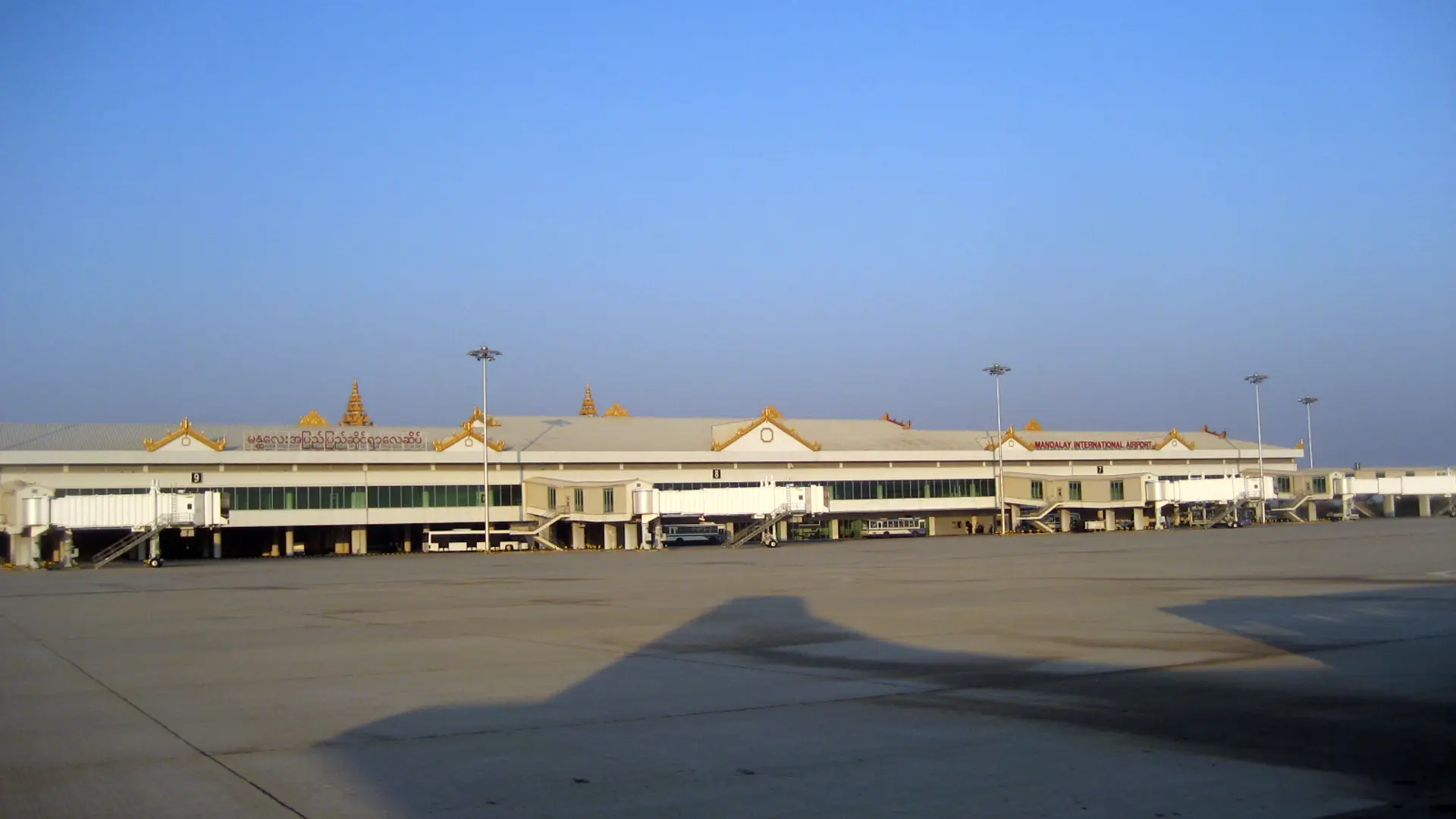
Myanmar’s main pro-democracy resistance movement has claimed responsibility for a drone attack on the military air-base area at Mandalay International Airport, an operation that temporarily disrupted flights at one of the country’s most important aviation hubs.
The People’s Defense Force, which operates under the shadow National Unity Government, said six drones were used against the military section of the Tada-U airport complex. The group said it selected targets associated with aircraft conducting air strikes and deliberately avoided the civilian terminal and other passenger facilities.
Myanmar’s military-controlled state media confirmed that six drones approached the airport but said security forces neutralised them without injuries or damage. The two accounts could not be independently reconciled. Reports that military personnel and resistance fighters were killed also remained unverified and should not be treated as established casualty figures.
According to The Associated Press, the airport remained closed for two days after the attack, affecting domestic and international services. The closure caused security checks and transport disruption at a facility used for both civilian and military operations.
Mandalay International Airport serves both civilian aviation and military operations. Its location near the centre of the country makes it valuable for moving personnel and supplies, while the adjacent air-base facilities support operations against resistance forces across several regions.
The strike reflects the rapid evolution of drone warfare in Myanmar since the February 2021 military takeover. Resistance groups initially relied heavily on modified commercial quadcopters and improvised munitions. They have since developed longer-range systems, better coordination and more specialised attack profiles, although capabilities vary widely among local units.
Drones have helped resistance forces offset some of the military’s advantages in aircraft, artillery and armoured vehicles. They can observe bases, attack exposed equipment and cause temporary interruptions to activity when alerts are triggered.
The military retains overwhelming superiority in conventional air power and continues to use combat aircraft against resistance-held areas. The resistance said the Mandalay operation targeted aircraft used in air strikes and that the civilian terminal was excluded from its target list.
Independent evidence about the impact and accuracy of the operation remains limited. The military said no damage occurred, while the resistance reported an attack on the air-base area; neither account provided independently verifiable evidence resolving the discrepancy.
The airport closure is confirmed. Claims of military casualties or lasting damage remain unverified.


