
News
Poland finds suspected Russian military drone near Baltic coast
Polish authorities are examining a suspected Russian military drone discovered near the Baltic coast, with its origin and mission still under investigation.

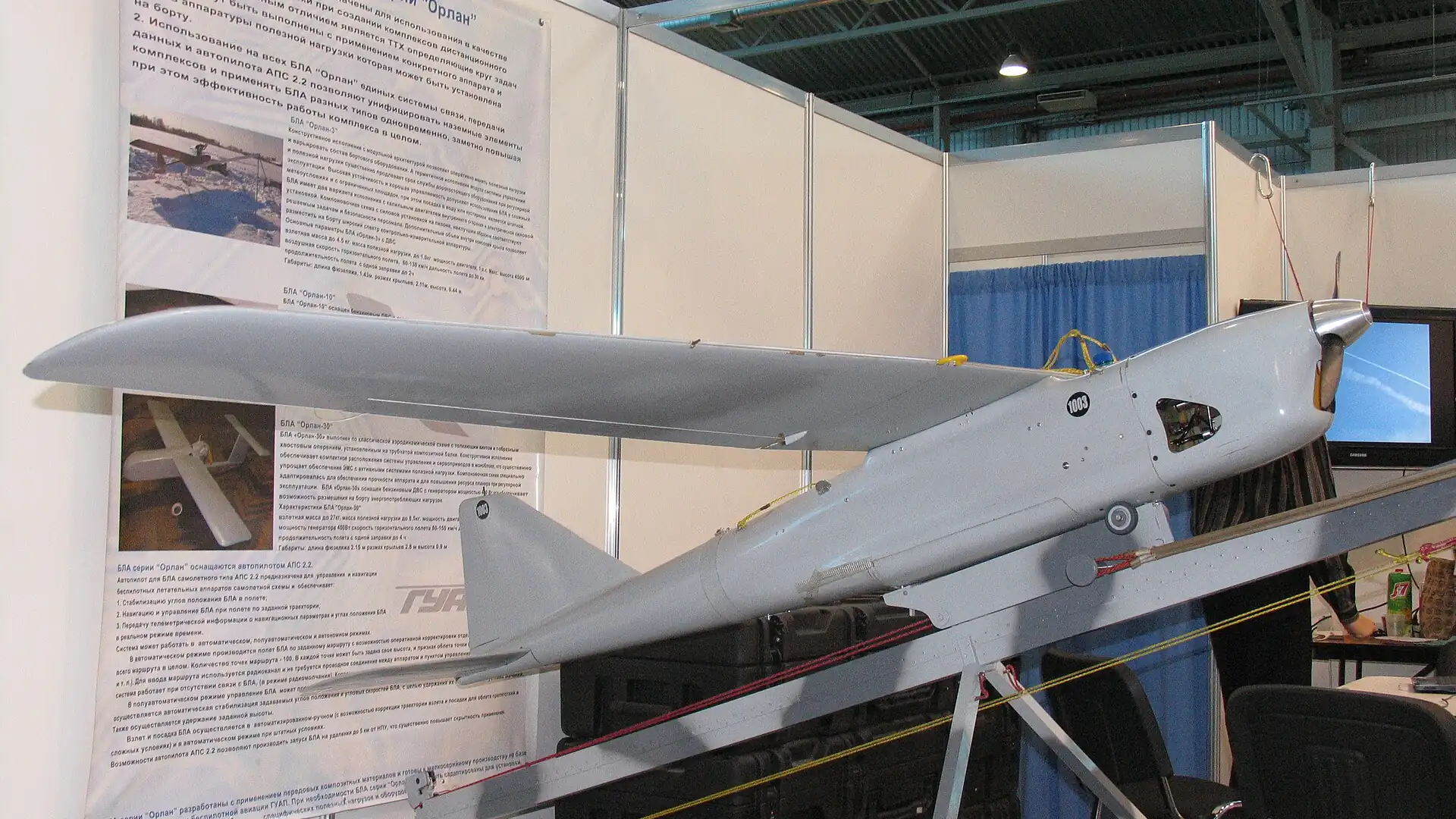
Poland’s military has recovered what Defence Minister Władysław Kosiniak-Kamysz described as a suspected Russian military drone near a beach on the country’s Baltic Sea coast. The object was found in northern Poland on Monday, September 14, and has been secured for technical examination. Authorities had not publicly identified its model, mission or route at the time of the announcement.
Kosiniak-Kamysz said the discovery was being investigated by the armed forces and the relevant security services. The description of the aircraft as suspected Russian equipment is therefore an initial official assessment rather than a completed forensic conclusion. Polish officials have not said whether the drone was intact, whether it carried surveillance equipment or explosives, or when it entered Polish territory.
The location gives the incident particular security significance. Poland’s Baltic coastline lies close to Russia’s Kaliningrad region and to the approaches used by NATO forces operating in northeastern Europe. The area contains civilian ports, energy infrastructure and military facilities, while the Baltic Sea has become a focus of allied patrols following a series of security incidents involving pipelines, communications cables and maritime traffic.
Poland has strengthened air surveillance and counter-drone capabilities since Russia’s full-scale invasion of Ukraine. Russian missiles and unmanned aircraft have previously approached or crossed the airspace of countries bordering Ukraine during large attacks, prompting fighter scrambles and temporary closures of airspace. Those earlier incidents do not establish the origin or purpose of the newly recovered drone, but they explain the rapid military response and the attention given to the find.
Investigators will be expected to examine serial markings, propulsion components, navigation systems and onboard electronics. Such evidence can help determine whether the aircraft was military equipment, a decoy, a reconnaissance platform or an object that drifted or crashed after losing control. Radar records and coastal surveillance data may also help reconstruct its path.
The inquiry will also have to distinguish between deliberate penetration, navigational failure and an aircraft that reached the coast after an unrelated mission. That difference matters under NATO procedures: recovery of foreign military equipment is a security incident, but it is not automatically proof of an armed attack. Poland can share technical findings with allies while retaining responsibility for the criminal and counter-intelligence investigation on its territory. Public conclusions should follow the evidence rather than the appearance of the airframe alone. Similar-looking components can be reused across platforms, and markings may be absent or misleading.
Warsaw has not announced any retaliatory or diplomatic measure connected to the discovery. Any formal attribution would require evidence that the object originated from Russian forces and entered Polish territory intentionally or through operational error. Until that examination is complete, the confirmed facts remain limited to the recovery of the object, the defence minister’s preliminary description and the opening of a Polish investigation.


