
News
Trump rejects Saudi request for direct U.S. strikes on Houthis
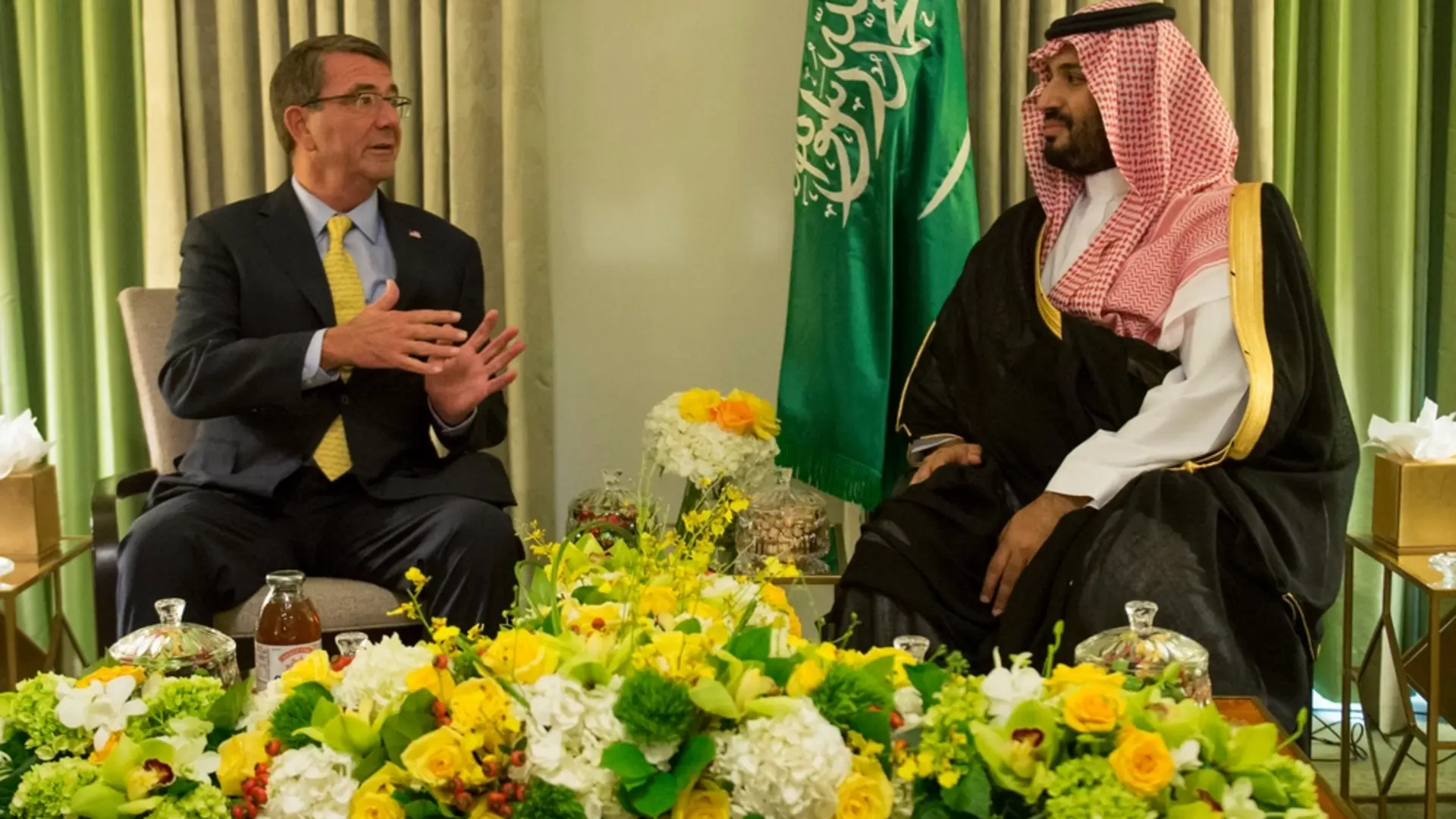
Saudi Crown Prince Mohammed bin Salman reportedly urged President Donald Trump to strike Houthi forces as the threat to the Red Sea intensified. Washington declined direct military action but agreed to expand intelligence and targeting assistance.

U.S. President Donald Trump declined a request from Saudi Crown Prince Mohammed bin Salman for direct American military strikes against Yemen’s Houthi movement, according to reports citing U.S. officials, while agreeing to expand intelligence and targeting support for Riyadh.
The request was made during two telephone calls on Thursday as Saudi concern grew over the security of the Bab el-Mandeb Strait and the kingdom’s Red Sea export routes. Reuters, citing a report by Axios and people familiar with the discussions, said the Trump administration does not currently intend to launch direct attacks on the Houthis. The White House and Saudi authorities had not publicly commented on the account at the time of reporting.
The reported exchange marks a change from Saudi Arabia’s earlier public position that it could contain renewed Houthi pressure without reopening the large-scale air campaign that defined much of the Yemen war after 2015. Reuters and Axios reported that recent Houthi territorial gains near the southern entrance to the Red Sea had increased Saudi concern about shipping and energy flows.
The support discussed would remain below direct U.S. military action and reportedly include intelligence sharing, surveillance and assistance with target identification. Those measures could support Saudi operations without placing U.S. aircraft directly in the strike chain.
The United States is already involved in protecting commercial shipping and responding to wider regional pressure on Gulf energy infrastructure. According to Axios, the administration wants to help keep the Red Sea route open while avoiding direct U.S. strikes against the Houthis.
Saudi Arabia has spent years reducing its exposure to the Yemen conflict and pursuing a negotiated security arrangement. It is now seeking to protect infrastructure, territory and export routes as the Houthis expand their position near Bab el-Mandeb.
The timing also increases the importance of the East-West Pipeline, which carries Saudi crude from the Gulf coast to the Red Sea. The route is designed to reduce dependence on the Strait of Hormuz, but its usefulness depends in part on secure access through the Red Sea and Bab el-Mandeb.
Axios reported that keeping the Red Sea route open remains a central U.S. objective. Admiral Brad Cooper, the head of U.S. Central Command, also visited Saudi Arabia for high-level discussions, underscoring the level of military coordination even as Washington rejected direct strikes.
The Saudi request shows the level of concern in Riyadh over Houthi missiles, drones and coastal positions near a maritime route important to the kingdom’s exports. Whether the expanded U.S. intelligence and targeting support will be sufficient remains unclear.


