Europe
Estonia to close all road border crossings with Russia from December 1
Estonia's government decided to suspend traffic at all five road crossings with Russia from December 1, citing hostile Russian actions. Moscow summoned the Estonian chargé d'affaires and spoke of a “new Iron Curtain”.

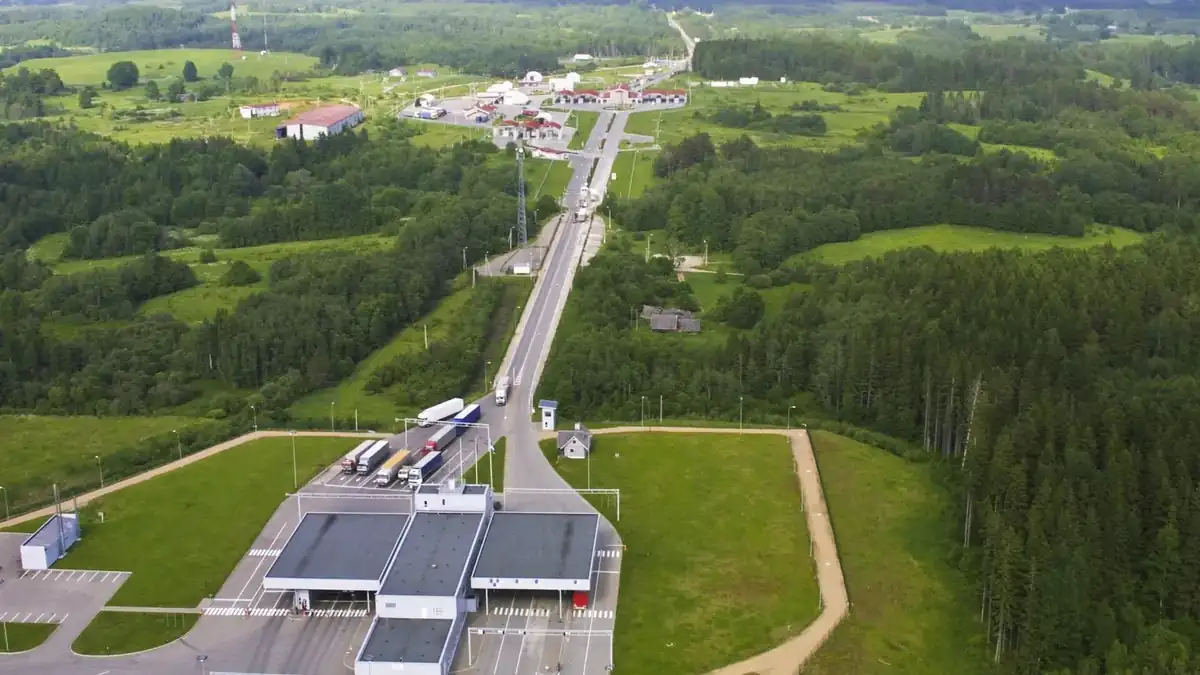
Estonia’s government took the official decision on Friday, November 20, to suspend crossings at all road border points with Russia from Tuesday, December 1. The suspension covers the five crossing points Narva-1, Narva-2, Koidula, Luhamaa and Saatse. The government announcement says that after six months it will be reviewed whether the restriction, imposed for reasons of national security and public order, needs to change. Moscow responded by summoning the Estonian chargé d’affaires to the Russian Foreign Ministry.
Tallinn presents the decision as a response to hostile Russian actions against Estonia and other European countries. Two Estonian defence companies were attacked in 2026, and the Internal Security Service (KAPO) attributes both to Russian intelligence services. The latest was an attempted arson at Threod Systems in Viimsi in the early hours of Saturday, November 14, which KAPO blames on Russia’s military intelligence service, the GRU. The next day Prime Minister Kristen Michal asked Interior Minister Igor Taro to prepare the steps for closing the border. “Russia’s hostile actions have consequences. We have said that if the attacks continue, we will take further steps to protect our security,” Michal said. “We will not allow Russia to exploit our openness against us.”
What changes on the ground
The government admits that the measure does not remove every threat coming from Russia, but says it limits a significant security vulnerability. It will make it harder for Russian services to recruit people, to circumvent sanctions and to carry out other illegal cross-border activity, protecting the EU and the Schengen area as a whole. The decision concerns the crossing of people and vehicles, while rail freight continues under the existing restrictions and strict customs checks. Tallinn notes that Finland’s land border with Russia has been closed since December 2023, while Latvia, Lithuania and Poland have significantly restricted crossings on their eastern borders.
The measure will affect Narva and Setomaa most, and more widely Ida-Viru County and south-eastern Estonia, where many have relatives, jobs or property on the other side. At Saatse, the closure of the “Saatse Boot” road came in October 2025, after Russian soldiers appeared near the border. The government also argues that Estonia’s economic dependence on Russia has fallen sharply, with goods exports to Russia since 2021 down to about a third of their earlier level.
Moscow: “new Iron Curtain”
Russian Foreign Ministry spokeswoman Maria Zakharova commented on the decision at Friday’s briefing. According to Reuters and the Russian outlet news.ru, she said such steps amount to an attempt to raise a “new Iron Curtain” under the “false pretext of some threat from the East”. In a written comment after the decision she called the step “clearly confrontational”, said it was taken “hastily” without consultations with Moscow and harmed the rights of many ethnic Russians, and warned that attempts to build a “cordon sanitaire” around Russia “will cost their instigators dearly”. Moscow, she added, reserves the right to take any necessary political and diplomatic measures. These are the claims of the Russian side and are not confirmed by independent sources.