Europe
After UNIFIL: Berlin approves German participation in the EU support mission in Lebanon
Germany's cabinet approved its participation in the EU's new civil-military mission in Lebanon, as the UN peacekeeping force UNIFIL's mandate ends on December 31, 2026.

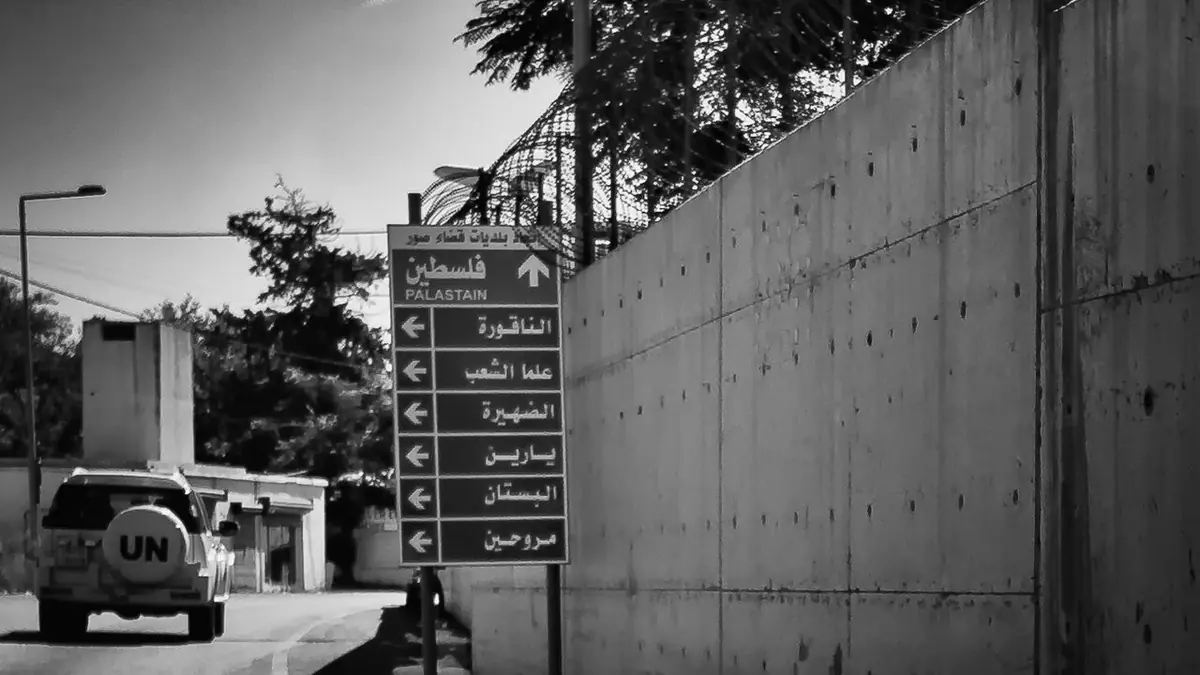
European countries are preparing for the day after in Lebanon, when the mandate of the UN Interim Force in Lebanon (UNIFIL) ends on December 31, 2026. The German government approved its participation in the European Union’s new civil-military mission to support Lebanon, the European Union Support Mission in Lebanon (EUSM Lebanon). The decision was taken at the federal cabinet’s 66th meeting on Wednesday, November 18. On Friday, November 20, the Washington Post reported that Europeans are seeking to replace the UN peacekeepers in Lebanon, looking for a role in the Middle East.
Berlin will send up to 15 officials from the federal and state police forces and customs to the civilian part of the mission. The German armed forces (Bundeswehr) will take part with a small number of personnel in training the Lebanese Navy. The mission aims to help the Lebanese Armed Forces (LAF) and the Internal Security Forces (ISF) establish the state monopoly on the use of force across the country, under UN Security Council Resolution 1701 (2006). Its start will be decided in December at the earliest. Because it is an unarmed mission of the armed forces, the German government will only inform the Bundestag, with no vote required.
Preparations in Brussels
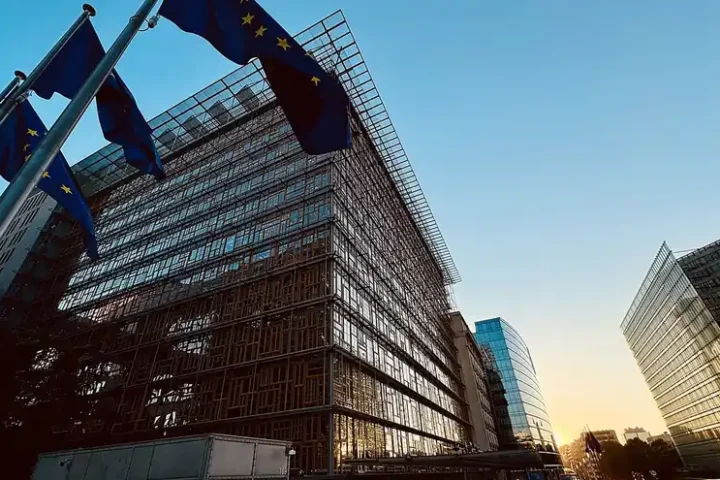
EUSM Lebanon was established by the EU Council on October 12, 2026, following preparations for a training mission for the Lebanese army that had begun earlier in Brussels. The German government notes that the Bundeswehr took part in UNIFIL and that, with the end of its mandate, support for Lebanese security forces becomes even more important. The same text says that the government of Prime Minister Nawaf Salam is trying to impose the state monopoly on the use of force, restore the country’s territorial integrity and advance economic and institutional reforms.
France and Italy opened the discussion
France and Italy had already opened the discussion on a broader presence. At the 36th French-Italian summit on June 25, French President Emmanuel Macron said the two countries have a “special role” in Lebanon. “We want to launch a coalition for the post-UNIFIL mechanism,” he said, aiming to strengthen Lebanon’s sovereignty and its armed forces. “We will work together, first, with the Lebanese authorities,” Macron added, “to build a solution that supports the Lebanese armed forces and security forces.” The goal, according to the French president, is Lebanese sovereignty, the country’s territorial integrity and “the monopoly of weapons in the hands of the Lebanese armed forces”.
UNIFIL has operated in southern Lebanon since 1978. Its withdrawal comes as the UN warns of a “security vacuum” in southern Lebanon.