Asia-Pacific
ICJ rules Myanmar committed genocide against the Rohingya; UK expels Myanmar’s Defence Attaché
The International Court of Justice found on 19 November that Myanmar committed genocide against the Rohingya in 2017. The UK responded by expelling the Myanmar Defence Attaché and calling for a UN Security Council session.

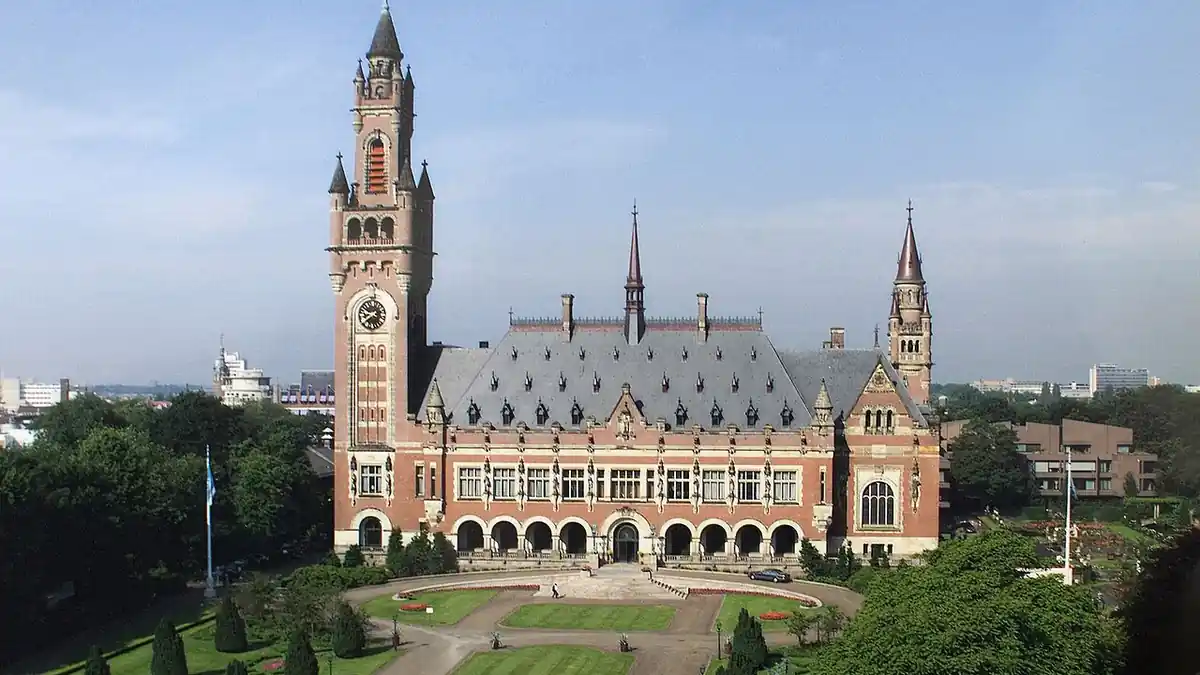
The International Court of Justice ruled on 19 November that Myanmar committed genocide against the Rohingya, a landmark judgment in the case brought by The Gambia. Within hours the United Kingdom announced the expulsion of Myanmar’s Defence Attaché and called for an urgent session of the UN Security Council.
What the Court found
According to NPR’s report from The Hague, the judgment was read out by Judge Yuji Iwasawa. The Court held Myanmar responsible for genocide during the 2017 military operations in northern Rakhine State and found that its security forces “acted with genocidal intent”. The case was brought by The Gambia, with 11 other states intervening.
NPR quotes the judge as saying the scale and nature of the military’s actions went “well beyond what would be required to punish the population” and were “characteristic of an intent to destroy a substantial part of the group”. The Court also noted that the operations were preceded by hate speech portraying the Rohingya as “sub-human” and “a violent threat”. By the judges’ estimate, about 815,000 Rohingya lived in northern Rakhine before the operations, and about 10,000 of them were violently killed during the 2017 clearance campaign.
The ICJ had announced on 3 November that it would deliver its judgment at a public sitting on 19 November. Public hearings on the merits ran from 12 to 29 January 2026, and the judges began deliberating on 29 January, according to the UN’s Independent Investigative Mechanism for Myanmar.
The UK response
In a statement published on 19 November, UK Foreign Secretary Ed Miliband called the ruling a “landmark judgment” and said Britain “reaffirms our full support for the Court and the international legal order”. He said the UK is “ordering the expulsion of the Myanmar Defence Attaché from the UK”, calling urgently for a UN Security Council session to discuss the judgment, and summoning Myanmar’s Chargé d’Affaires. The measures build on existing UK sanctions against the Myanmar regime.
Miliband said Myanmar “must comply fully with the judgment” and that the international community must now support implementation, accountability and justice for the Rohingya. The UK, he added, will set out further action in the coming days.
What is not yet known
The sources read for this article do not report a response from Myanmar’s authorities, the vote breakdown among the judges, or any specific orders or remedies in the judgment. NPR’s report was labelled a developing story.