Middle East & North Africa
Lebanon: US seeks countries for a force to verify Hezbollah’s disarmament after UNIFIL
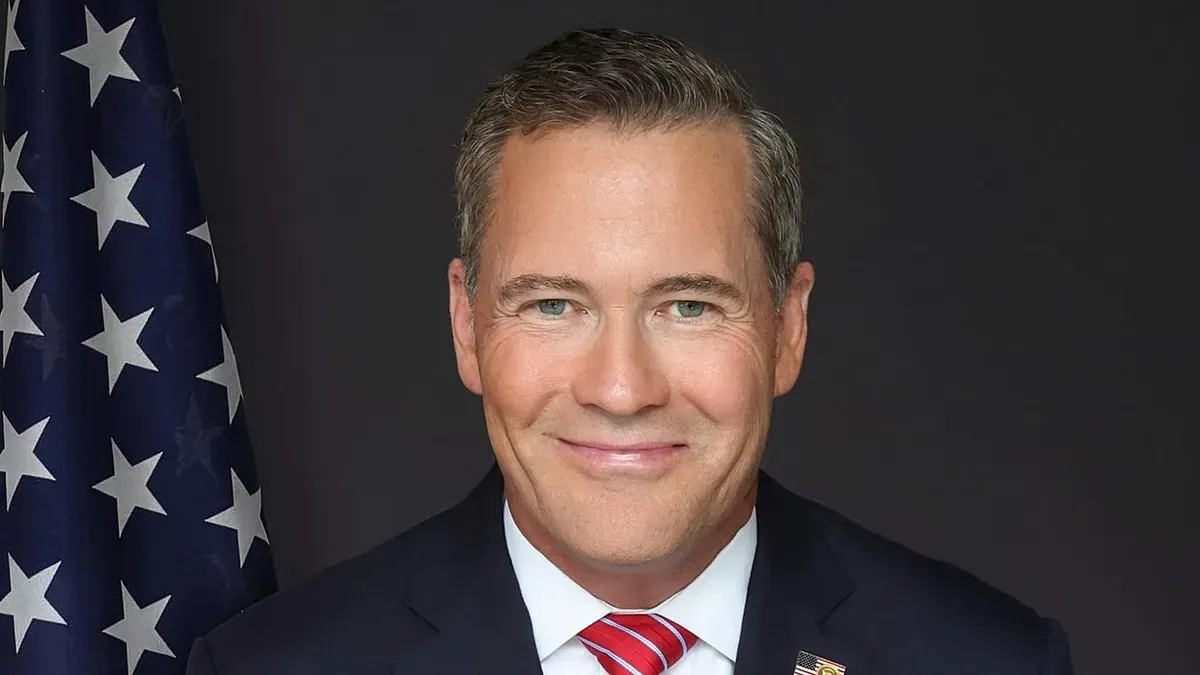
US ambassador to the UN Mike Waltz says Washington is talking to several countries about an international force to verify the removal of Hezbollah's weapons, six weeks before UNIFIL's mandate expires.

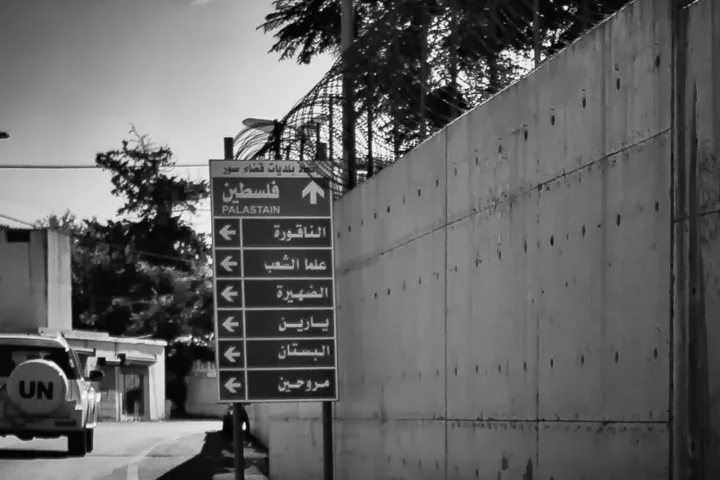
The United States is in talks with several countries on forming an international force that would verify the removal of Hezbollah’s weapons from Lebanon. US Ambassador to the UN Mike Waltz said so on Friday, November 20, answering a question from The National in New York. The discussion opens six weeks before the mandate of the UN Interim Force in Lebanon (UNIFIL) expires on December 31, with no successor defined on the Blue Line.
Asked whether the successor force could also verify disarmament, Waltz said the matter is “actively discussed”. “It’s no secret that we are talking to several countries about taking on the role of the verification force,” he said. “There isn’t much trust yet. We are trying to rebuild it among all sides and to have a third party that can come and verify that the tunnels, caches and weapons Hezbollah has throughout the country no longer exist.” He added that such a system must also guarantee that Israel will no longer be attacked from Lebanese territory. “All options remain open,” he said, noting that a UN mandate would require consensus in the Security Council.
Doubts over UNIFIL
The American ambassador, who visited Lebanon earlier in the week and called for Hezbollah’s disarmament, questioned UNIFIL’s record. He recalled that the mission costs $500 million a year and said “obviously there is no peace in Lebanon 20 years later”. Washington, he said, will work with France, which drafts the Security Council resolutions on Lebanon. Arab News reports that Waltz proposes keeping Resolution 1701, with modifications, as the basis for the day after.
On the same day the Security Council, after closed consultations, reaffirmed in a statement by all 15 members its support for UNIFIL and called on all sides to respect the safety of UN personnel and premises. Latvia’s ambassador Sanita Pavļuta-Deslandes, who chairs the Council in November, declined to say whether the statement means support for extending the force beyond December 31. At Thursday’s briefing on Resolution 1701, the acting head of the Office of the UN Special Coordinator for Lebanon, Jean Arnault, conveyed Lebanese leaders’ concern about a “security vacuum” after the withdrawal.
Who verifies?
Lebanon and Israel disagree on who will verify disarmament. Israel opposes the continuation of UNIFIL and argues that the mission did not stop Hezbollah from building up militarily in southern Lebanon, while Beirut wants any future force to remain under UN auspices. Europeans are advancing their own proposal, with Germany backing the European mission EUSM Lebanon. Waltz, who met President Joseph Aoun, Prime Minister Nawaf Salam and Speaker Nabih Berri in Beirut, said Washington strongly supports direct talks between Israel and the Lebanese government. New closed-door consultations on the successor force are expected next week in New York.