Middle East & North Africa
Araghchi: the Strait of Hormuz can open within two hours, but the 60% uranium will not leave Iran
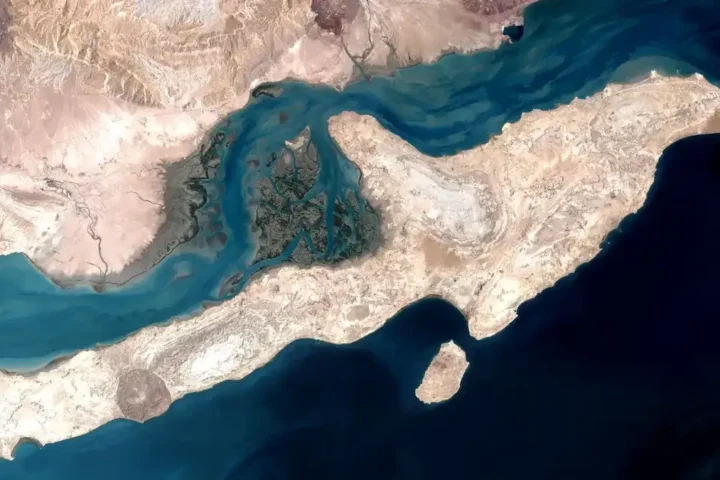
Iranian Foreign Minister Abbas Araghchi says Tehran is ready to open the Strait of Hormuz even within two hours if its demands are met, that the 60%-enriched uranium stays in Iran and that the Islamabad memorandum is “no longer on the table”.

Iran is ready to open the Strait of Hormuz even within two hours, provided its demands are met, Iranian Foreign Minister Abbas Araghchi said in an interview with the state newspaper Iran. In the same interview he made clear that the stockpile of uranium enriched to 60% will not leave the country and that the Islamabad memorandum of understanding between Tehran and Washington is “no longer on the table”. These are the statements of the Iranian side.
According to Araghchi, the memorandum had been finalised and bore the signatures of the two countries’ presidents, but a violation of an important provision by the United States cancelled it in practice. Tehran then built the US commitments from the memorandum, together with requests to lift the new sanctions, into a seven-day proposal for opening the Strait. After two months of consultations the timetable was cut to two days: on the first Washington fulfils its commitments and on the second Iran opens the Strait. That two-day proposal, he said, remains active. “Even if the timetable is cut from two days to one or to two hours, we have no problem. What matters is that Iran’s demands are met,” he noted, adding that if the US wants a deal it must revise its stance and take confidence-building measures.
Uranium and nuclear doctrine
On the nuclear programme, the Iranian minister said mediators have put forward several proposals on the enriched uranium stockpile. Tehran, he added, is open to a negotiated solution and a “fair” formula can be found, but enrichment is not discussed separately from Iran’s other demands, only within a broader agreement that secures its national interests. The 60% uranium, about 400 kilograms according to state broadcaster IRIB at the time of the interview, will stay in Iran and be used for the country’s needs. As for nuclear doctrine, Araghchi said the official doctrine has not changed, although experts continue to debate it, with arguments both for and against a change.
No deal for the sake of a deal
Araghchi stressed that Tehran will not accept an agreement merely to get out of the current impasse. “What is the point of agreeing today if the agreement is violated two months later and the war resumes?” he asked, recalling that fighting resumed only 15 days after the June ceasefire. Instead of the “neither war nor peace” situation, Tehran seeks, he said, a “good, honourable and lasting agreement” that prevents a new war without concessions the US could present as a victory.
He insisted that the road of diplomacy remains open: “We are people of diplomacy and we still hope for diplomacy.” He confirmed that Tehran and Washington are still exchanging messages and proposals via Qatar and Pakistan, and called for closer regional cooperation on security because, he said, relying on military forces from outside the region does not ensure lasting stability.
His statements came hours after Donald Trump told reporters at the White House, as reported by Al Jazeera, that the Iranians “want to make a deal, but not a deal that is acceptable to me”. Meanwhile Tehran is looking for ways to restart oil exports despite the US naval blockade, and a convoy of tankers at Kharg Island is already trying to test the blockade.