Middle East & North Africa
Yemen: Saudi-led coalition strikes Hodeidah port as the Houthis threaten Jeddah and Riyadh
The Saudi-led coalition said it struck Houthi facilities at Hodeidah port after urging civilians to leave the area. The Houthis threatened Jeddah, all Saudi Red Sea ports, a power station and Riyadh's financial centre.

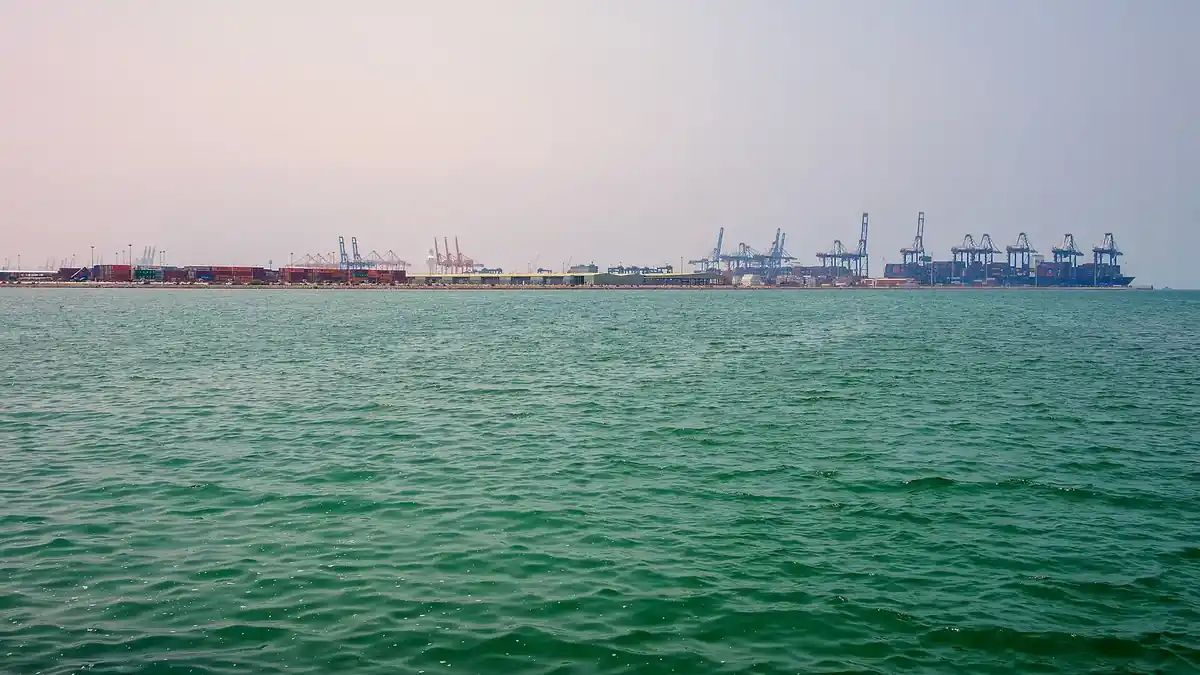
The military coalition led by Saudi Arabia announced on Friday, November 20, that it struck Houthi facilities at the port of Hodeidah, on the Red Sea, a few hours after calling on civilians to leave the area. The Houthis had already threatened the port of Jeddah and all Saudi Red Sea ports, a power station and the financial centre of Riyadh.
At midday the coalition spokesman, Brig. Gen. Turki al-Malki, posted on X a map of the port zone that had to be evacuated and asked civilians to leave “for their safety”. Hodeidah is Yemen’s main Red Sea port and the principal gateway through which food, fuel and humanitarian aid reach Houthi-held areas. The coalition has issued warnings before for Sanaa and Hodeidah, but this time it marked the specific zone on a map.
Houthi threats
The Houthis reacted within hours. If the coalition bombs Hodeidah, their military spokesman Yahya Saree wrote on X, the targets will be Jeddah and “all the ports of the Saudi enemy” on the Red Sea coast. He called on workers and residents to leave the ports immediately and on shipping companies to remove their vessels. In a new post Saree turned to airlines: Saudi airspace, except over Mecca and Medina, is not safe, because “in the coming hours” it will become a field of operations. Later he declared the Shuqaiq power station in the kingdom’s south-west a “legitimate target”, then also the financial centre of Riyadh, where the day before the tower of the Saudi investment fund PIF had been damaged.
Meanwhile the Houthi network Al Masirah reported that coalition fighters hit power stations in the Kahza area, north of Saada, and in Mocha, on the Red Sea coast. In the evening Saree claimed the Houthis struck the Shuqaiq station and the port of Jizan in response to the strikes on Hodeidah, Saada and Mocha. Saudi authorities did not comment on the claim. Earlier the coalition had announced that air defence destroyed two ballistic missiles launched towards Jizan province and that debris fell in the Shuqaiq area.
The coalition’s account
In the afternoon al-Malki announced a “targeted operation” against Houthi assets that, he said, are used for attacks on civilians in Saudi Arabia and Yemen. At Hodeidah, according to the coalition, “operational capabilities” for smuggling and transporting weapons were hit. The operation continues and will also strike military targets and ballistic capabilities in Sanaa, Saada and Taiz provinces. The coalition added that at dawn it destroyed in Sanaa six workshops for building and assembling parts of missile and drone launchers, and one of the Houthis’ main supply depots. Houthi authorities said a private trader’s food warehouse and a tyre warehouse were hit in the capital.
Information Minister of the internationally recognised government, Salem al-Awlaki, defended the port strike to the Saba news agency, saying the targets were specific points where smuggled weapons, mainly ballistic missiles, were unloaded, and assuring that the flow of essential goods and humanitarian aid will continue. On the ground, government forces spokesman Majed Abdullah al-Nuzaili claimed more than 854 strikes on the Houthis during the day, with 193 fighters killed or wounded, and that fighting continues in Al Jawf, Marib and Taiz. Al Jazeera’s correspondent in Sanaa described the day’s air raids as the heaviest since the conflict began, and on Wednesday the coalition had announced the destruction of 60 Houthi targets in four provinces. All of these are claims by the parties and are not independently verified.