Europe
Pistorius and Streeting reject the Pentagon’s criticism of Ukraine’s deep strikes: “quite foolish”
Germany's Boris Pistorius called Pentagon criticism of Ukraine's deep strikes “quite foolish”, backed by Britain's Wes Streeting. Ukraine's Khmara promised to respond with “twice or three times the force”.

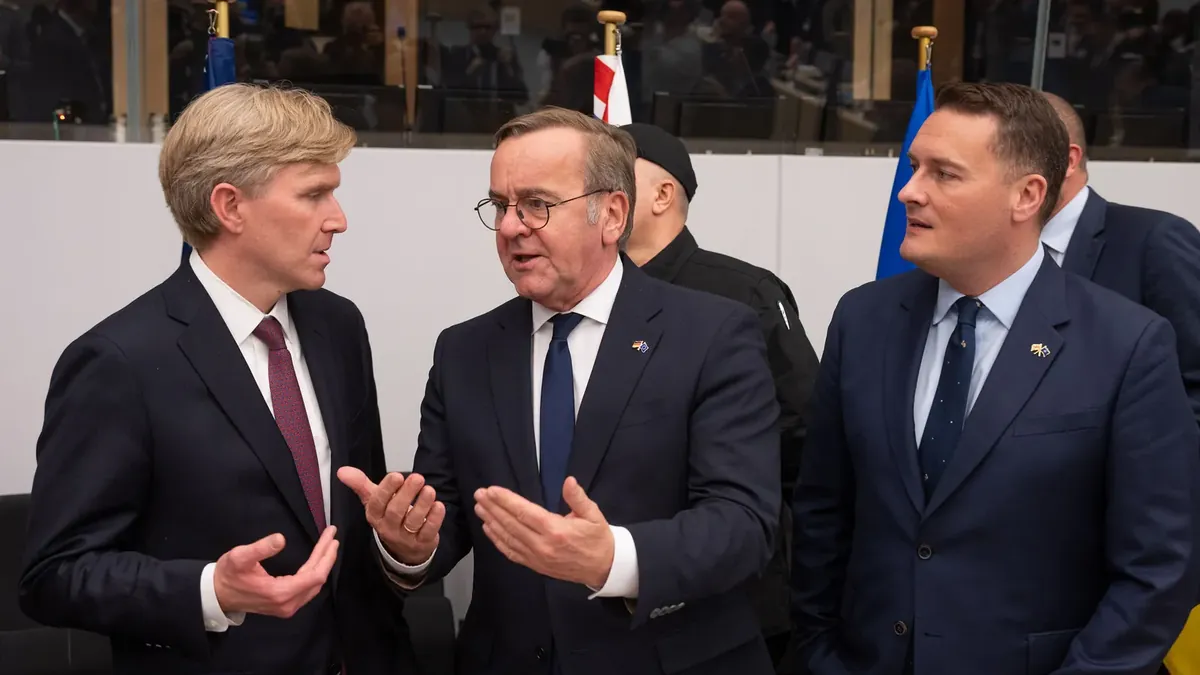
German Defence Minister Boris Pistorius rejected, in unusually harsh language, the Pentagon’s criticism of Ukrainian strikes deep inside Russia. The exchange broke out on the evening of Tuesday, November 17 at NATO headquarters in Brussels, after the meeting of the Ukraine Defense Contact Group (UDCG). Criticising strikes that destroy strategic military targets and facilities used by the army inside Russia is “something quite foolish”, Mr Pistorius told reporters. British Defence Secretary Wes Streeting backed him.
The target was Elbridge Colby, the Pentagon’s Under Secretary for Policy, who had spoken earlier at the meeting. “While the public debate focuses on the spectacle of deep strikes meant to cause pain to the Russian population, our assessment is that they have not proven effective in ending the war or in stopping the Russian advance at the front,” Mr Colby said in his remarks. He added that strikes on non-military infrastructure, such as warehouses of the Russian e-commerce giant Wildberries, “rather strengthened the resolve of Russian public opinion” and the Kremlin’s willingness to escalate. He stressed, however, that Ukraine must not fight “with its hands tied” and that aid should go first to the front and to medium-range strikes on Russian logistics. The same day Mr Colby asked allies not to shut US companies out of arms contracts (our report).
“Criticise the terror strikes instead”
Mr Pistorius asked that attention turn to Russia’s attacks on Ukrainian cities. “Instead of criticising Ukraine’s deep strikes, we had better criticise the terrorist strikes every night and every day on Ukraine’s energy, water and heating infrastructure,” he said. Mr Streeting said the Ukrainian strikes “helped weaken Putin’s war machine, buying time and saving lives”. “It is not our job to tell Ukraine how to fight,” the British minister added.
Ukrainian Defence Minister Yevhen Khmara sent his own message to Moscow. “For every strike they launch against our territory, we will respond with twice or three times the force. And we have the right to defend ourselves,” he said, announcing that Ukraine plans to more than triple its deep-strike capability next year. NATO Secretary General Mark Rutte, asked at the joint press conference whether he shares Mr Colby’s view, avoided a direct answer. He said Ukraine must do everything it can to defend itself and that the Russian war machine must be put out of action.
The background
The disagreement surfaced days after the Ukrainian strike that collapsed a section of the Crimean Bridge. Kyiv says Wildberries supplies equipment and technical components to the Russian army, which the company denies. Mr Colby also assessed that Russia will keep fighting at least through the winter, despite US efforts for a ceasefire. The United States has stopped directly funding new arms deliveries to Ukraine, and European allies and Canada have taken on the burden.