Politics & Diplomacy
Russians leave amid mobilization fears and tighter controls
A quieter new wave of Russian emigration is developing as some citizens fear another mobilization and increasingly restrictive conditions.

Russians are again leaving the country or preparing to do so as fears of another military call-up combine with internet restrictions, economic pressure and tighter controls on public life. The movement is smaller and less visible than the mass departure after the 2022 mobilization, but organizations assisting emigrants report a sharp increase in requests for help.
Kovcheg, a group that supports Russians settling abroad, said inquiries rose to nearly eight times their May level during a wave of anxiety beginning in mid-July. That figure measures requests to one organization rather than the total number of people leaving Russia, but it indicates a clear change in demand for relocation advice.
Rumours of a new mobilization after State Duma elections have contributed to uncertainty. The Kremlin has not announced a new general call-up. Claims about future mobilization should therefore be treated as fears and reports rather than an established government decision.
Some people are leaving because they want to avoid military service or fear that legal protections will not prevent deployment to Ukraine. Others cite economic disruption, tighter internet controls and prosecution over political or social expression. Armenia and Georgia remain destinations because Russian citizens can enter relatively easily and because communities from earlier waves already exist there.
The authorities have expanded restrictions on opposition activity and online communication. The government has also classified the international LGBT movement as extremist, creating additional risk for activists and ordinary people whose expression is treated as prohibited. Individual cases illustrate the pressure but do not provide a complete statistical picture of emigration.
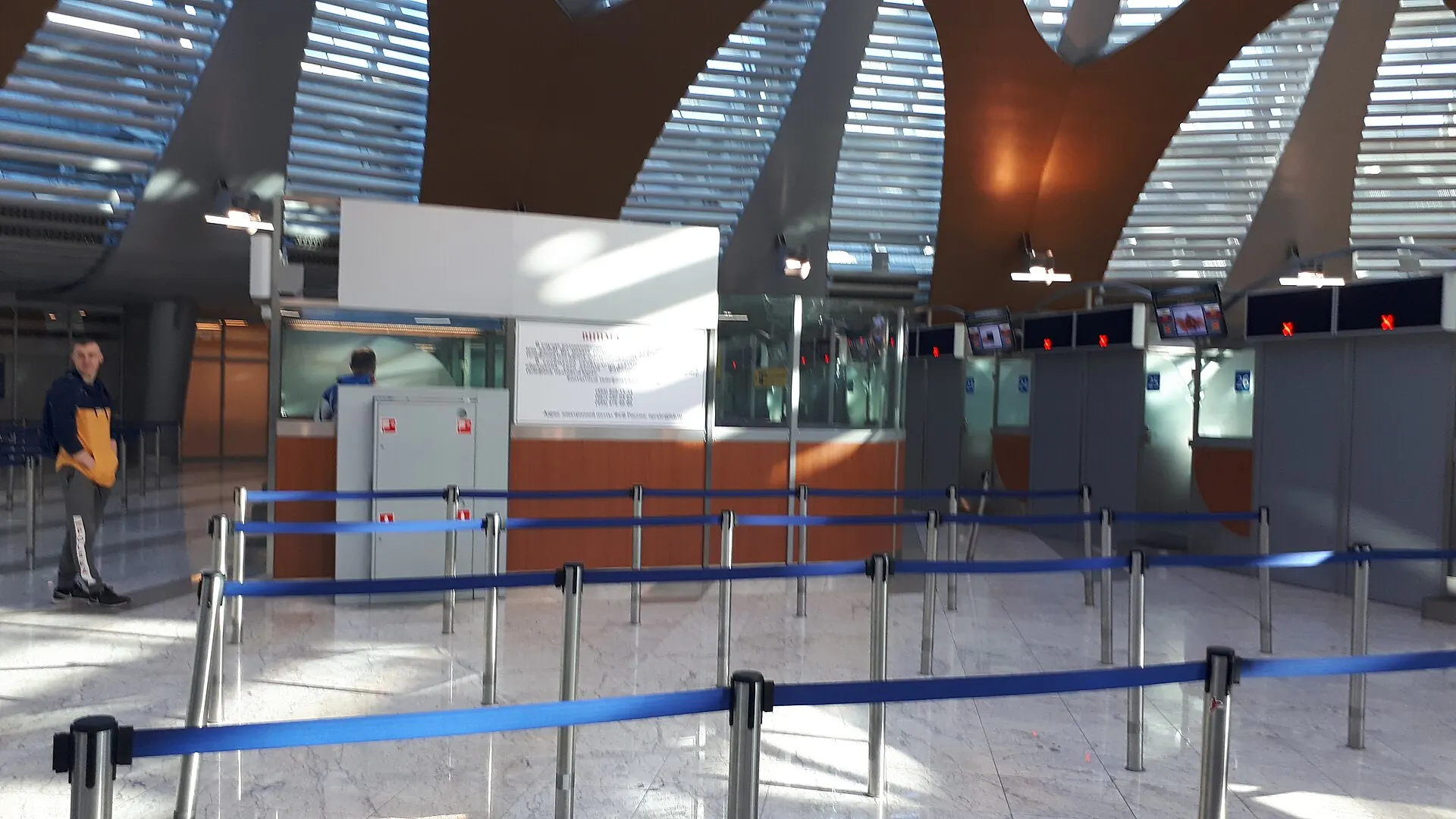
Unlike in September 2022, there are no large crowds at border crossings or nationwide shortages of airline tickets. The current pattern is gradual: people gather documents, move savings and leave when an opportunity appears. That makes the scale harder to measure in real time.
Demographic effects accumulate even when departures occur without dramatic border scenes. Many emigrants are working-age professionals, students or people with the means to relocate, and their absence can affect sectors already facing labour shortages. Host countries also weigh humanitarian considerations against security and integration concerns. None of those effects provides a reliable measure of current flows by itself. Border statistics, residence applications and independent surveys will be needed to determine whether the reported rise in inquiries becomes a sustained new wave.
The absence of an official mobilization order means each departure reflects an individual judgment about future risk. Some people may return if conditions stabilize, while others establish permanent lives abroad. That uncertainty is why inquiry data should not be converted into a definitive emigration total.
The development matters to Russia’s labour market and military manpower, but available evidence does not support a precise national total. What can be stated is that assistance groups and recent emigrants describe renewed anxiety, with mobilization fears interacting with censorship and economic strain to produce another, quieter movement of people abroad.