Greek-Turkish Relations
Saddam Haftar welcomes the Libyan House’s approval of the Turkish–Libyan memorandum, citing “investment opportunities with Turkey”
Lt. Gen. Saddam Haftar, deputy commander of the Libyan National Army, welcomed the House of Representatives’ unanimous approval of the Turkish–Libyan maritime memorandum, hours after Athens called it null and void.

Lt. Gen. Saddam Haftar, deputy commander of the Libyan National Army (LNA), on Tuesday, October 20 welcomed the unanimous approval of the Turkish–Libyan maritime memorandum by Libya’s House of Representatives, and the repeal of the 2020 decisions Nos. 1 and 6 with which the body had rejected the deal. Saddam Haftar is the son of LNA commander Field Marshal Khalifa Haftar, who controls eastern Libya from Benghazi.
“I welcome the unanimous approval of the Libya–Turkey maritime agreement by the House of Representatives and the repeal of decisions Nos. 1 and 6 of 2020,” he said in a statement. “These decisions are a step towards overcoming the political differences of the past and putting Libya’s national interest above every other consideration.”
“Cooperation and investment opportunities with Turkey”
Haftar argues that “the maritime agreement can help protect Libya’s rights and economic interests in the Mediterranean, while widening opportunities for cooperation and investment with Turkey”. He added that “our national priority remains ending Libya’s divisions, unifying state institutions and restoring state authority across the country”.
“Strengthening relations with Turkey is part of a broader cooperative approach with all the countries of the region and the Mediterranean, based on mutual respect and common interests,” he said, closing with the line that Libya’s “sovereignty, territorial integrity and independent national decision-making will always be our highest priorities”.
Athens’ answer
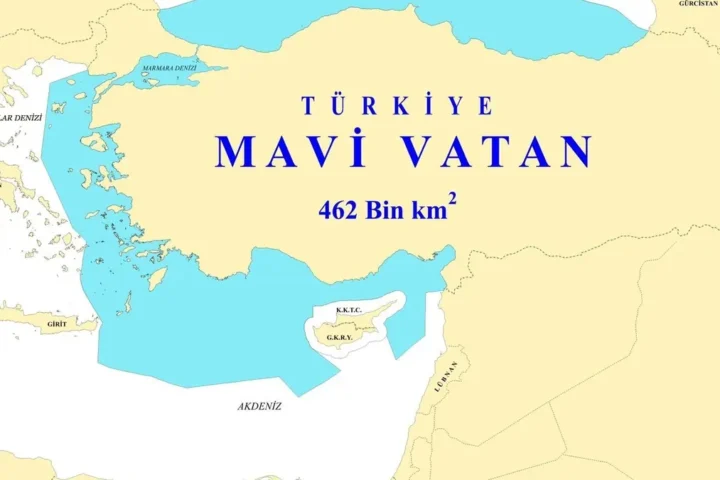
The statement comes hours after the Greek Foreign Ministry’s statement, which called the memorandum “spurious”, “null and void”, stressed that Turkey and Libya “do not have opposite or adjacent coasts”, and said Greece had informed its partners and allies. The memorandum disregards the Greek islands, among them Crete, and their maritime rights under UNCLOS.
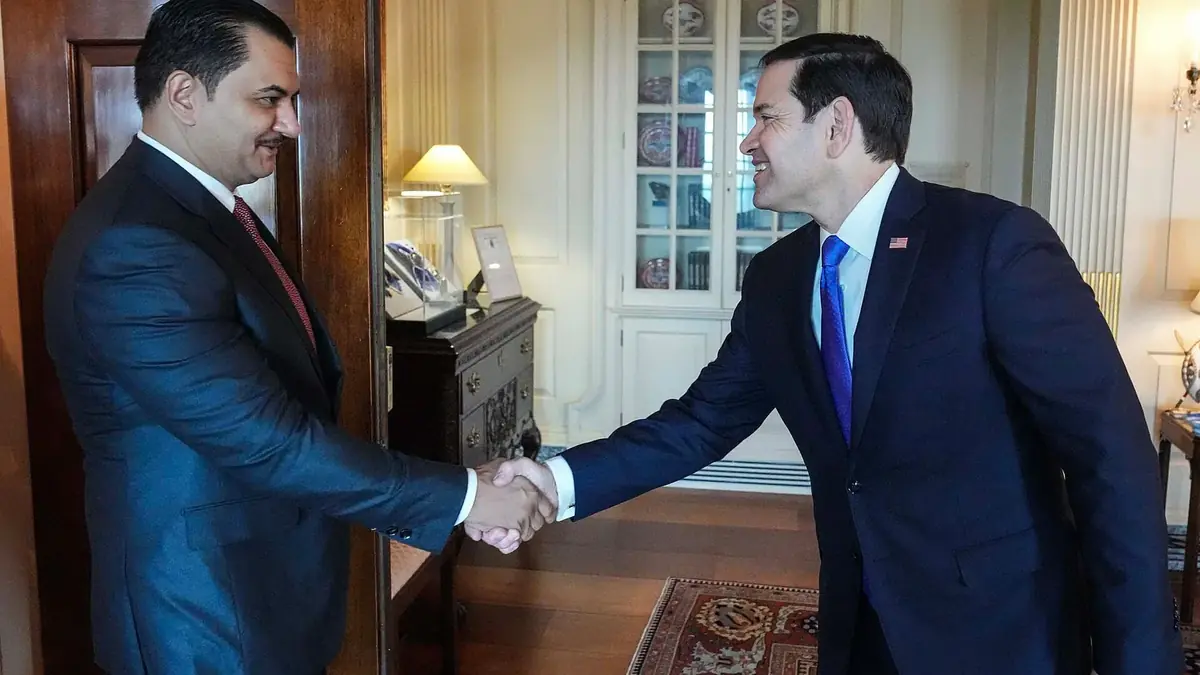
Saddam Haftar has emerged as a central figure in Benghazi’s relations with Ankara and with Washington, where Secretary of State Marco Rubio received him in June. Ratification became possible after Aguila Saleh was removed as speaker of the House, and both rival centres of power in Libya now support the memorandum. Greek analysts argue Athens should respond with concrete measures.