Asia-Pacific
India signs a deal with Israel Aerospace Industries to upgrade the Navy’s Barak-1 missile defence systems
India's Defence Ministry signed a ₹1,976.4 crore contract with Israel Aerospace Industries to upgrade the Barak-1 point-defence systems on Indian Navy ships, covering hardware, software and obsolescence management.

India’s Ministry of Defence signed a contract on Wednesday, November 18 with Israel Aerospace Industries (IAI) to upgrade the Barak point-defence air defence system (Barak-1) fitted on Indian Navy ships. The contract is worth ₹1,976.40 crore, about ₹19.76 billion, which Israel’s Ynet puts at roughly $220 million. It was signed in New Delhi in the presence of Defence Secretary Rajesh Kumar Singh.
The Indian ministry’s announcement says the contract covers the upgrade and obsolescence management of the system, with a comprehensive upgrade of both hardware and software. According to the ministry, the upgrade will ensure improved features and a stronger anti-air capability on Navy units. The contract was signed under the Other Capital Procurement Procedure.
The project had passed its first stage in August 2025, when the Defence Acquisition Council (DAC) gave an Acceptance of Necessity for the “upgrade of the BARAK-1 point defence system”. The same Navy package included a fire-control system with launchers for BrahMos cruise missiles and Compact Autonomous Surface Craft. New Delhi thus continues a series of arms deals with Israel, and in October the DAC cleared procurements worth ₹2.12 trillion.
An upgrade, not new missiles
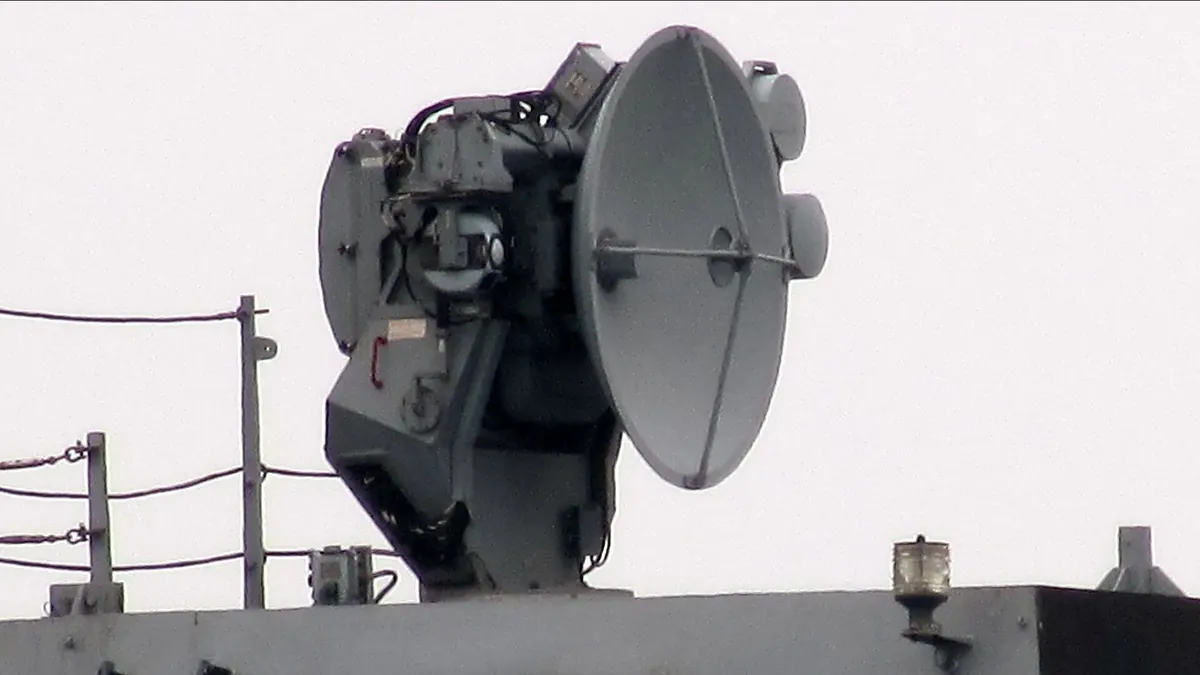
The contract concerns the Barak-1 systems already installed on ships, not the purchase of new Barak-8 missiles. Barak-1 is a short-range, vertically launched surface-to-air missile system that protects the ship itself against anti-ship missiles, aircraft and other air threats. News9 notes that the original Barak-1 was developed by IAI and Rafael. Business Today writes that India began acquiring it around 2000 for protection against sea-skimming anti-ship missiles, with a range of about 9–10 km, and that it was fitted on Delhi-class destroyers, Brahmaputra-class frigates and the now-retired carrier INS Viraat.
The more modern Barak-8, developed by IAI with India’s Defence Research and Development Organisation (DRDO), has a range of about 70 km in its original naval version and is installed on newer ships such as the Kolkata-class destroyers. Obsolescence management means, in practice, replacing components that are becoming ever harder to maintain, so that the systems can stay in service.