Asia-Pacific
Malaysia: first LCS delayed again, delivery now April 2027 and without its NSM anti-ship missiles
Defence Minister Mohamed Khaled Nordin told parliament on October 7 that the first Littoral Combat Ship will be handed over in April 2027 instead of December 2026, and that it will be accepted without Kongsberg’s Naval Strike Missile.

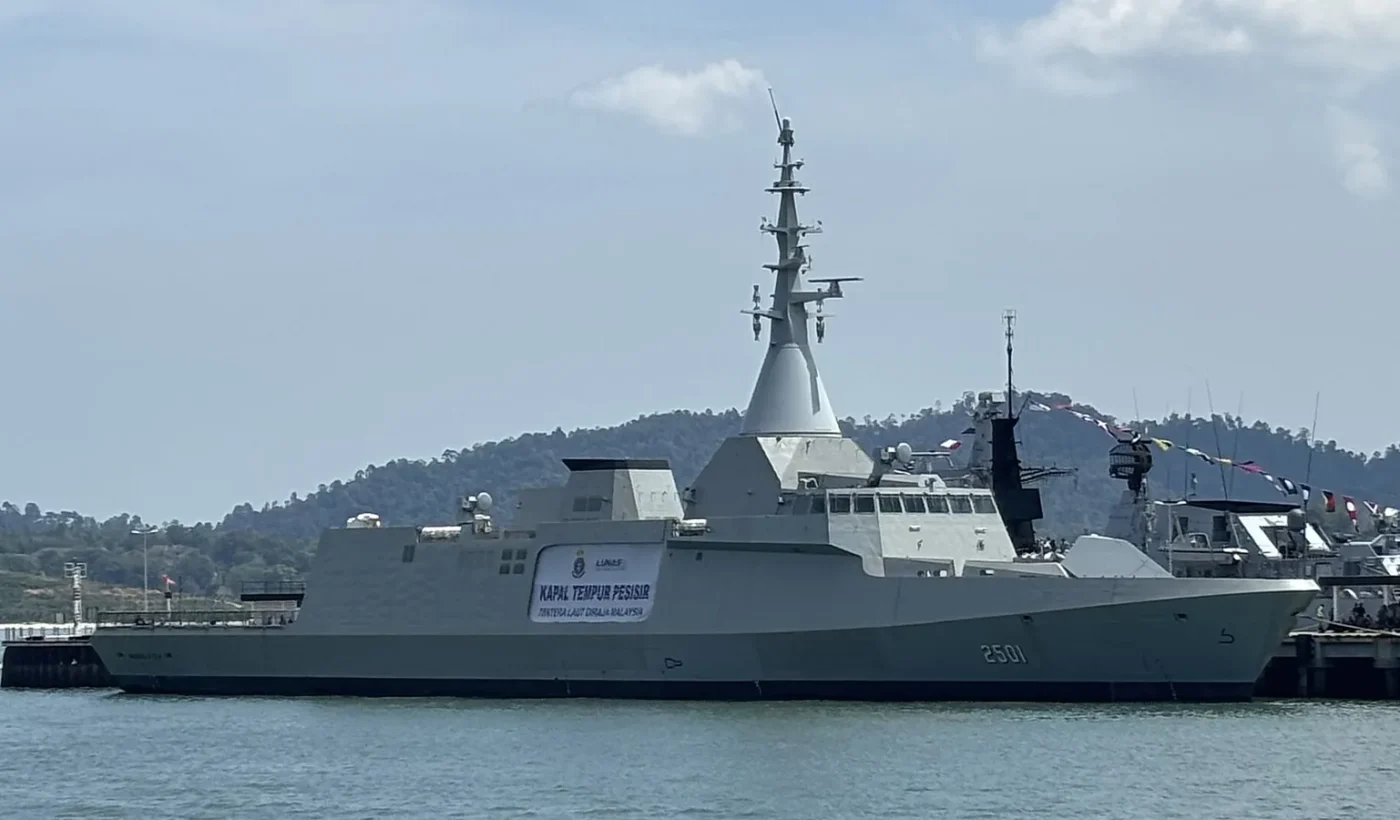
The long-troubled Littoral Combat Ship (LCS) programme of the Royal Malaysian Navy has suffered a new delay. Defence Minister Mohamed Khaled Nordin announced in parliament on October 7 that the first ship of the class will be delivered in April 2027 instead of December 2026, four months later than previously announced, according to Janes.
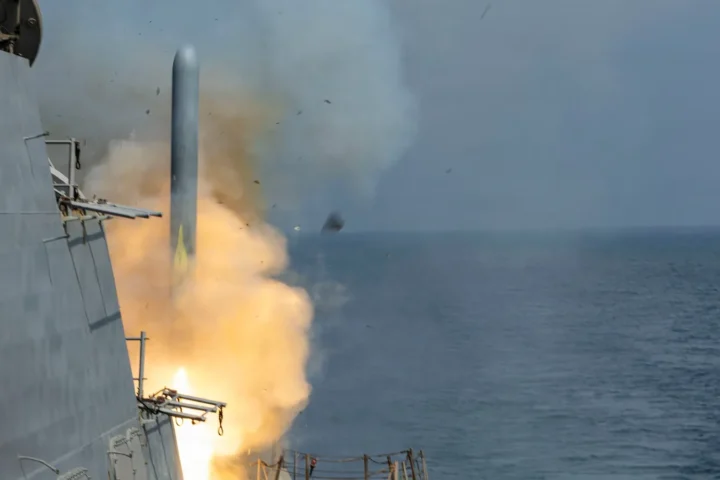
The minister also confirmed that the ship will be accepted without its planned Naval Strike Missile (NSM) anti-ship missile capability from Kongsberg.
Why it is late
According to Khaled, the Lumut Naval Shipyard (LUNAS) told the Ministry of Defence that it can no longer meet its commitment to hand over the ship in December. The delays involve cabling, equipment installation, inspections, accommodation spaces, piping and the testing that follows, which has also pushed back the harbour and sea acceptance trials.
During a visit to the shipyard on October 5, Janes found that major construction and outfitting work was still under way on the first ship. The Thales SMART-S Mk 2 air-surveillance radar had not yet been installed on the integrated mast, although the navigation and fire-control radars appeared to be in place.
The minister also told parliament that the contract for the programme’s surface-to-air missiles has not been finalised. A letter of acceptance has been signed and the contract is expected to be completed in October 2026. In other words, the first LCS will enter service without two of its main weapons.
The programme, based on the Gowind design of France’s Naval Group, began in the early 2010s for six ships and has become synonymous with delays and mismanagement in Malaysia, with the first ship having been launched as early as 2017. After the programme was restructured, the number of ships was reduced to five.
The delay also has an operational cost. The LCS ships are a central part of the Royal Malaysian Navy’s “15 to 5” transformation plan, which cuts the number of ship classes from 15 to 5 to simplify training and support. While the new ships are late, the navy continues to rely on older units in the South China Sea, where tensions with Beijing persist.