Asia-Pacific
North Korea fires missiles towards the Sea of Japan hours after denying the Binance hack, its fourth launch in a month
South Korea’s Joint Chiefs of Staff said North Korea fired several missiles from the Sondok area on November 4. Kim Yo Jong separately ruled out dialogue with the US until it drops its hostile policy.

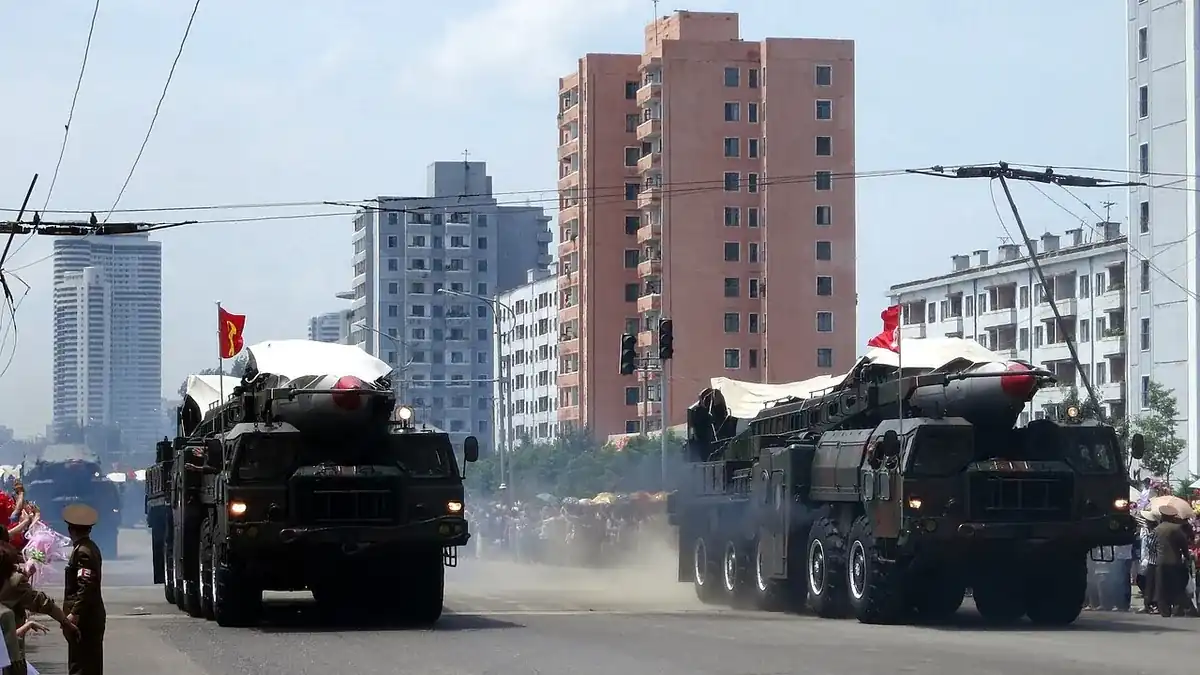
North Korea fired several missiles towards the Sea of Japan, just hours after Pyongyang rejected US accusations over the theft of more than $6 billion from Binance. South Korea’s Joint Chiefs of Staff said on Wednesday, November 4, that it detected the launches from the Sondok area on North Korea’s east coast. It is the regime’s fourth weapons launch within a month.
South Korean and US authorities are still analysing the data on the launches. They followed a report by state media that leader Kim Jong Un visited a naval shipyard where a destroyer is being built and stressed the importance of a strong navy. Tensions between the two Koreas have sharpened since September, when mine explosions on the border wounded three South Korean soldiers.
The reply to the FBI and the refusal of dialogue
Binance, the world’s largest cryptocurrency exchange, announced on Friday, October 30, that hackers stole more than $6 billion, in what appears to be the biggest theft in crypto history. The FBI later attributed the heist to North Korean hackers, specifically the TraderTraitor group, which was also behind last year’s $1.5 billion theft from the Bybit exchange. Pyongyang denied any involvement on Tuesday and called the FBI statement a “trite provocation”. For Kim Yo Jong’s first reaction, see our report on her denial of the Binance hack.
Early on Wednesday Kim Yo Jong, sister of leader Kim Jong Un, called the FBI statement an “extension of Washington’s unchanging hostile policy” towards North Korea and ruled out dialogue until the US abandons it. “Our position is clear: we have no need to sit face to face with such unreliable and hostile persons,” she said. She added that choosing peace naturally includes dialogue, but that this does not necessarily coincide with her country’s national interests.
The position comes although US President Donald Trump said in August that he plans to meet Kim later this year, seeking to revive the relationship he claims to have built with him in his first term. Their earlier rounds of talks in 2019 ended abruptly over disagreements on Pyongyang’s nuclear programme. In October the US, South Korea and Japan repeated their demand for the “complete denuclearisation” of the Korean Peninsula.
Weapons tests accelerate
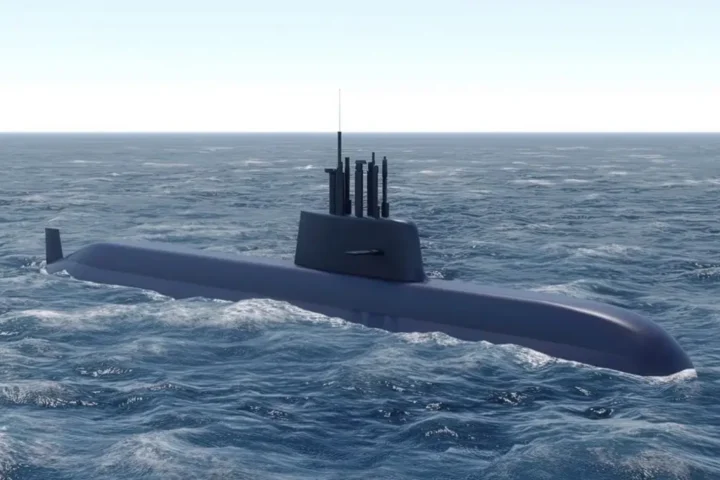
Analysts estimate Pyongyang has accelerated weapons testing this year, most likely to increase its bargaining power in a future diplomatic contact with Washington. Recent tests include a submarine-launched ballistic missile, hypersonic missiles, attack drones and cluster bombs designed to be carried by ballistic missiles. On Tuesday, November 3, Pyongyang announced that on Monday it tested a new cluster warhead for strategic cruise missiles, which it claimed can destroy an area of 5 to 6 hectares with “high-density power”. See our report on the cluster-warhead test.