Europe
Poland deploys counter-terrorism units on the Kaliningrad border after sabotage warnings
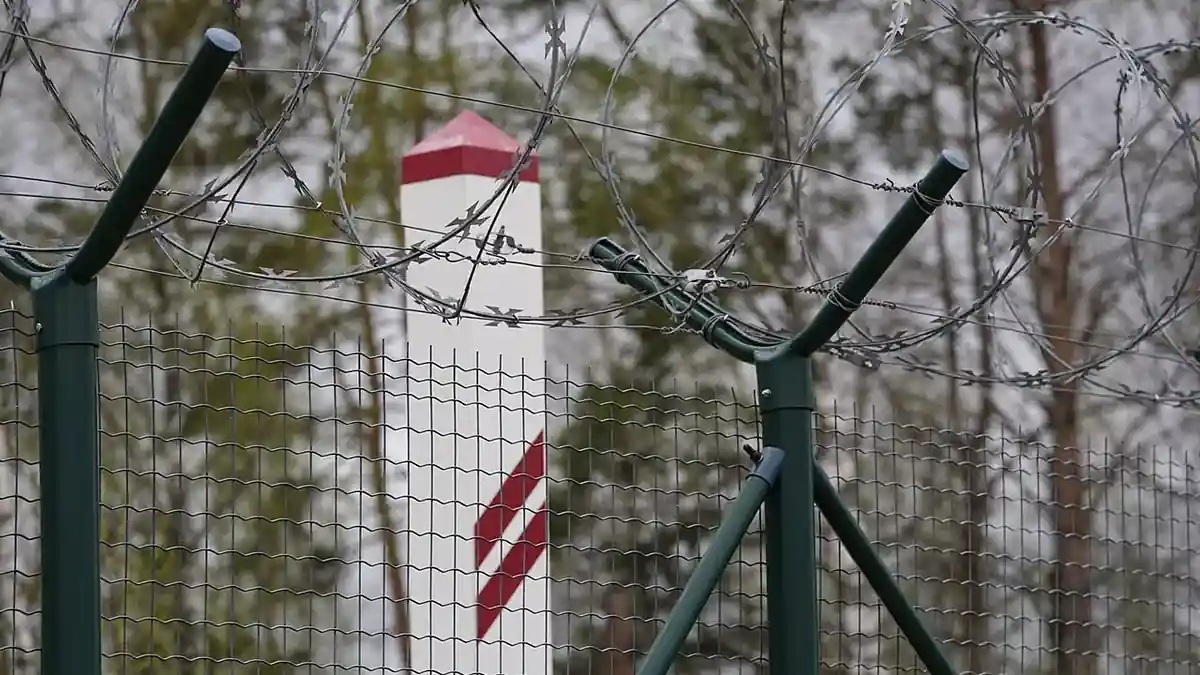
Poland has sent extra police and counter-terrorism units to the border zone with Kaliningrad after warnings of possible sabotage in the coming days. Police chief Marek Boroń confirmed the operation, which authorities call preventive.

Poland has sent extra police and counter-terrorism units to the zone along the border with Kaliningrad, after warnings that sabotage actions may take place in the area in the coming days. The special operation was revealed on Monday, November 2, by radio station RMF FM and confirmed by Polish police chief Marek Boroń.
The operation covers the north-eastern regions of Warmia-Masuria and Podlaskie, which border the Russian Baltic enclave, Lithuania and Belarus. A special staff was set up at police headquarters, and the regional police commands of Olsztyn and Białystok are also taking part. Officers were moved from other parts of the country, and the units cooperate with the army, the Border Guard and the intelligence services.
“The police are taking security measures around the Kaliningrad area, in view of possible events that could lead to sabotage actions. This is based on information we also have from external security services,” Boroń said. He added that the police are responsible for the security of residents and facilities and for any situation that may threaten society.
Warnings of armed groups
RMF FM, citing security sources, writes that Poland received warnings last week from the Military Intelligence Service (SWW) and from allied services about possible sabotage on the Polish-Russian border, even attempts by armed groups to cross the border from the Russian side. Police headquarters said in a statement that the operation is directly linked to sabotage activity and the work of “services of the East”, a phrase that points to Russia and Belarus. Spokeswoman Katarzyna Nowak told TVN that the details are classified. Authorities describe the operation as preventive and note that so far no sabotage or armed crossing has been recorded.
On Thursday, October 29, deputy police chief Tomasz Michułka had ordered officers to be on full alert from November 2 to 8. The order was first linked by some to the crisis around the Constitutional Court, where police forces were called on Friday to guard the building amid protests. The police firmly denied this on Friday evening, and on Saturday Boroń wrote to officers that the order concerned “attempts to destabilise our country by foreign intelligence services of the East”.
The Suwałki corridor and Russian provocations
Kaliningrad lies between Poland and Lithuania, two NATO member states. Nearby extends the Suwałki corridor, the narrow strip of land between the Russian enclave and Belarus, of strategic importance because it links the Baltic states by land with the rest of the NATO allies. In October Lithuania too had deployed troops on its border with Kaliningrad.
A report by the International Centre for Counter-Terrorism (ICCT), published earlier this year, called it the “main focus” of Russian sabotage operations in Europe, including the arson that destroyed Warsaw’s largest shopping centre and an attempted train derailment. In July a Russian Kh-101 cruise missile entered Polish airspace from Ukraine and ended up in a field in eastern Poland. In September a Russian military helicopter flew from Kaliningrad and stayed about 42 seconds in Polish airspace, while suspects linked to a Turkish criminal organisation allegedly set fire to a Starlink ground station on behalf of Russian intelligence services. On Sunday, November 1, an unknown object entered Latvian airspace and triggered an air-raid alert and the BLAZE interceptor drone before the authorities said the danger had passed.
The Polish government has warned in recent months that Moscow is planning new provocations against NATO states in the east, including possible border violations. Concern is not limited to Poland: the Bundeswehr now also assesses the threat of Russian sabotage as “significant”.