Drones
US Coast Guard buys first 4 MQ-9B drones for $247.8 million
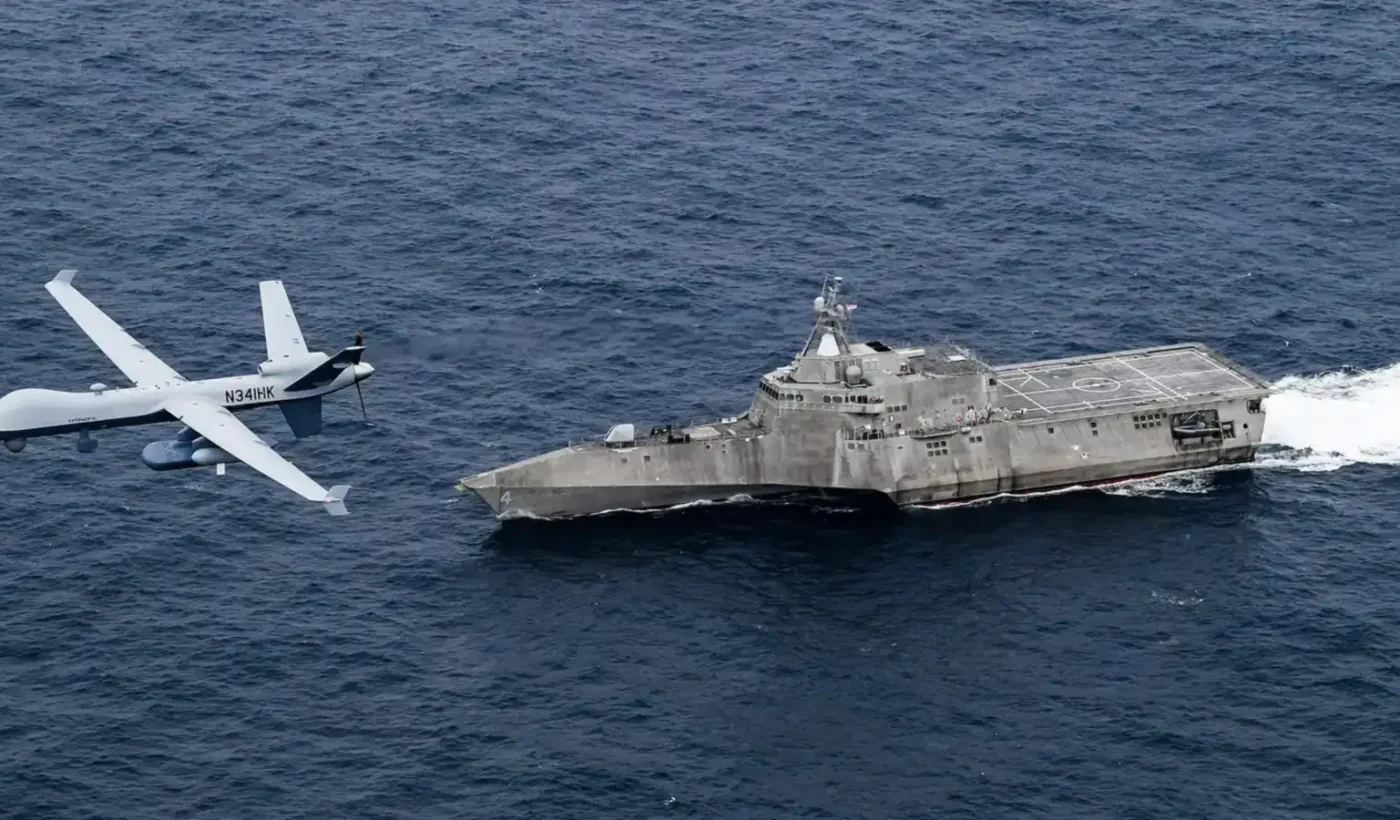
The US Coast Guard is buying MQ-9B long-range unmanned aircraft for the first time: four aircraft, ground control stations and support equipment for $247.8 million, ordered through a Customs and Border Protection contract. The service says they are not expected to be armed.

The US Coast Guard is buying MQ-9B unmanned aircraft for the first time. The order covers four long-range aircraft, ground control stations and supporting equipment at a total cost of $247.8 million, and was placed through a contract of U.S. Customs and Border Protection (CBP), the Coast Guard announced on October 9. According to Defence Industry Europe, the order was placed on September 25.
Surveillance, search and rescue, counter-narcotics
The aircraft will help the Coast Guard monitor open waters, carry out search and rescue operations and counter drug trafficking. A spokesperson for the service clarified that they are not expected to carry weapons.
“The MQ-9B long-range unmanned aircraft systems will expand our reach and strengthen our ability to protect the nation,” said Anthony Antognoli, the assistant commandant and program executive officer for robotics and autonomous systems. “This investment will give Coast Guard crews a longer-range view of our maritime domain, helping them detect threats earlier, make better-informed decisions and act faster across our missions.”
Where the money comes from
The funding comes from the fiscal year 2025 reconciliation package, which included nearly $25 billion for the Coast Guard, and from fiscal year 2026 appropriations. The 2025 package is President Donald Trump’s “One Big Beautiful Bill” Act, passed in July 2025.
The Coast Guard already has experience with the family: together with CBP it flies the agency’s MQ-9A aircraft from bases in Texas. According to the Coast Guard, in fiscal year 2026 these aircraft helped seize about 60,700 pounds of illegal drugs and apprehend around 20 smugglers.
What the SeaGuardian can do
General Atomics’ MQ-9B SeaGuardian is designed for maritime reconnaissance, surveillance and intelligence gathering with more than 30 hours of continuous flight and a mission radius of about 1,200 nautical miles. It is already used by coast guards, such as Japan’s, which has decided to acquire four more. In parallel, General Atomics is working on the MQ-9’s successor, the Wildfire.
For Greece, where surveillance of the Aegean and the management of migration flows demand a constant presence in the air, the US Coast Guard’s choice shows how much the means of maritime surveillance have changed. The issue is linked to the challenge of the multiplicity of unmanned aircraft types in the Greek armed forces.