
Analysis
Analysis: Turkey wants SAMP/T, what France’s “Steel Dome” Aster system would mean for Greek Rafales, F-16s and FDI frigates
Analysis: If Turkey acquires the Franco-Italian SAMP/T NG, the problem for Greece would not be one more air-defence system, but a NATO-integrated anti-ballistic umbrella and, with co-production, Turkish industry studying the Aster 30 that protects Greece’s FDI frigates. What it means for the Rafale, the F-16 and the Navy, with Eurosam’s official video.

If Turkey acquires the Franco-Italian SAMP/T NG, the problem for Greece would not be one more air-defence system facing Greek fighters. Ankara already has the Russian S-400 and the domestic Hisar. The problem would be bigger. Turkey would obtain a Western, fully NATO-integrated anti-ballistic umbrella, something it never managed to do with the S-400. And if the demand for co-production goes through, Turkish industry would study from the inside the Aster 30, the same missile that protects Greece’s FDI frigates.
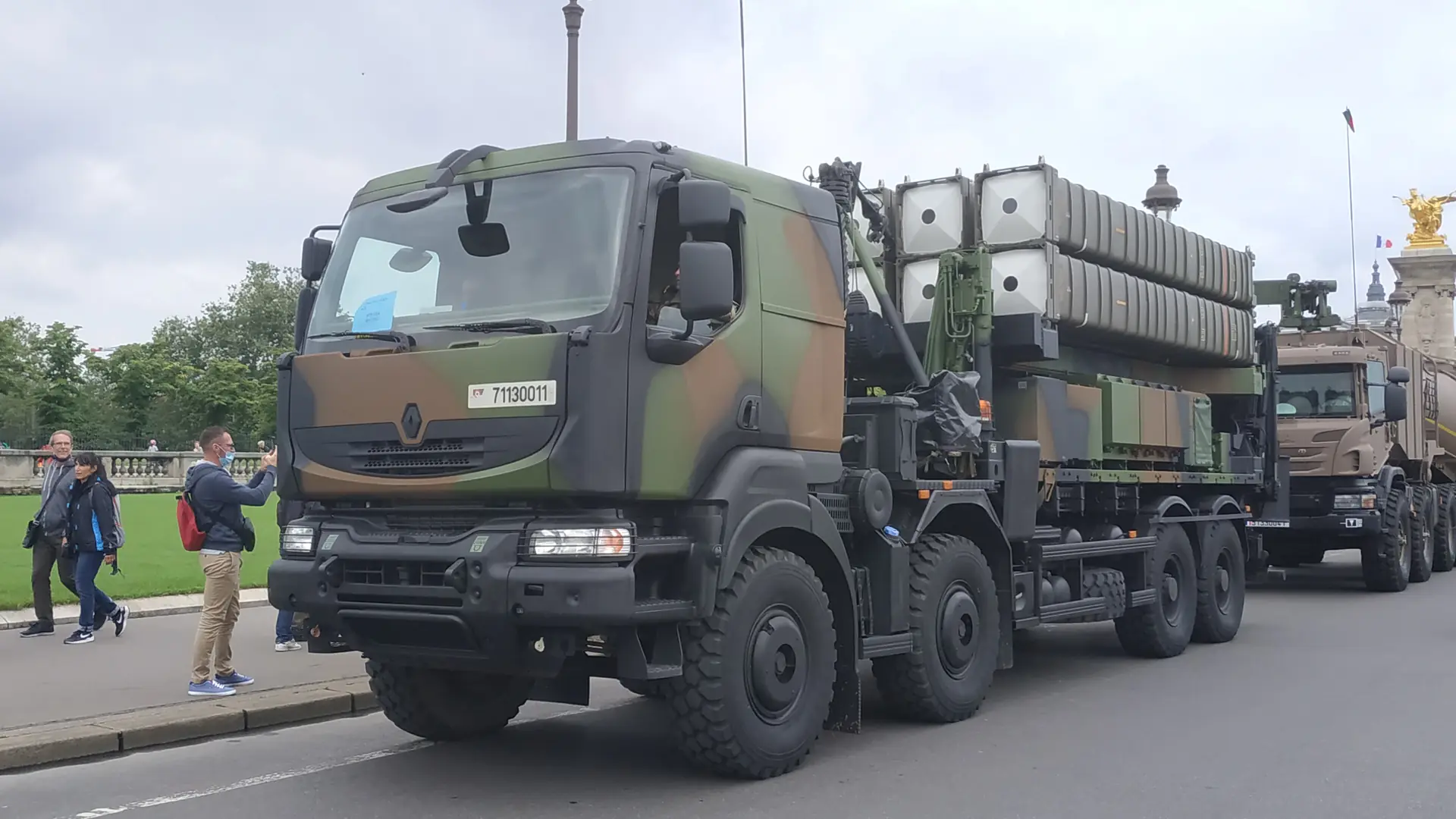
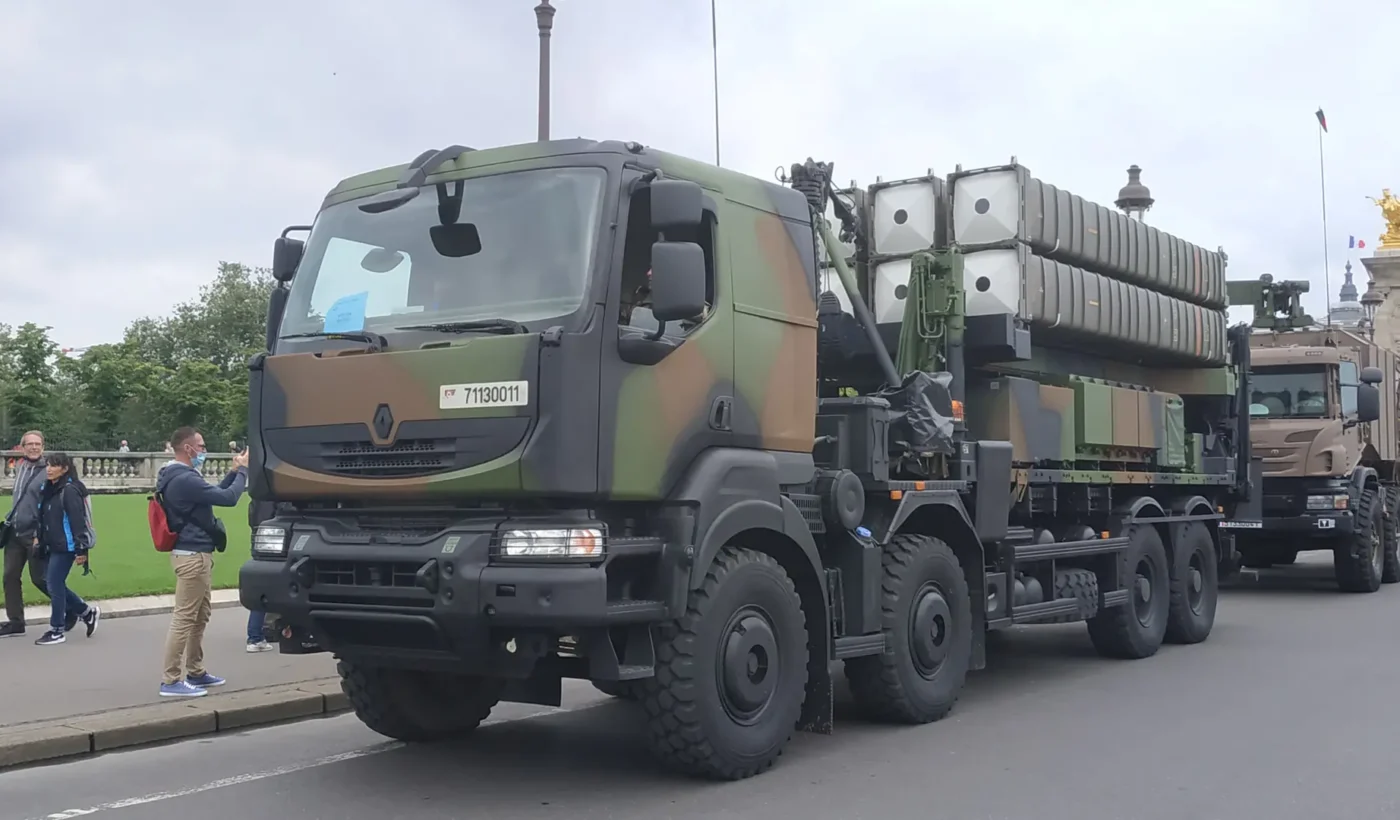
The subject returned with the defence cooperation roadmap that Ankara and Paris signed in early October. The Turkish press immediately linked it to two systems: the Meteor and the SAMP/T. In the video from the Eurosam consortium (MBDA France, MBDA Italy and Thales) that we present here, the SAMP/T NG appears exactly as the company wants to “sell” it to Ankara. The emphasis is not on launches but on interoperability: the command centre, the connection to external sensors and the ability to be integrated into any existing national air-defence system. That is exactly what Turkey wants for its “Steel Dome”.
What the SAMP/T NG is and why Turkey wants it
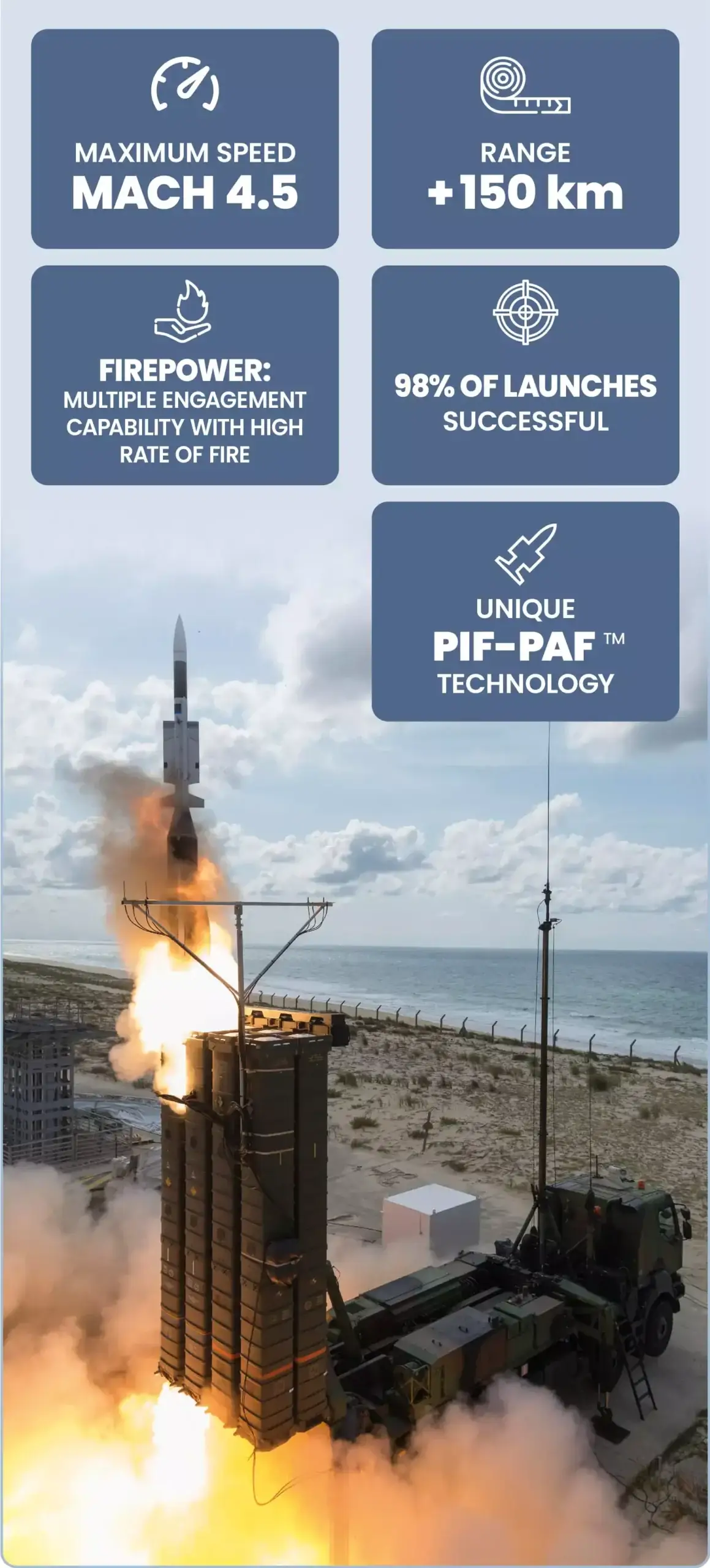
The SAMP/T is Europe’s long-range air-defence system, its answer to the Patriot. The new generation (NG) combines Thales’s Ground Fire AESA radar, which covers 360 degrees, with the Aster 30 Block 1NT missile. According to Eurosam, the missile reaches Mach 4.5 and a range of more than 150 km and can engage aircraft, cruise missiles and short-range ballistic missiles. The system has been selected by France, Italy and Denmark, and its earlier version was used in real combat in Ukraine.
For Turkey, the SAMP/T solves a problem that became visible in 2026. During the war in the Middle East, Iranian ballistic missiles heading for Turkish territory were shot down by NATO systems and not by Turkish ones. On June 15 the Turkish Ministry of National Defence announced that an Italian SAMP/T battery would be deployed at the 3rd Main Jet Base in Konya under NATO. Turkish Defence Minister Yaşar Güler had told Reuters in June that Ankara is considering both the Patriot and the SAMP/T, with an emphasis on technology transfer and joint production. In July the same agency reported, citing five sources, that France had become more open to a sale. The Élysée spoke of “significant inaccuracies” in the report, without specifying them. There is no official agreement.
What it means for Greek Rafales, F-16s and FDI frigates
The first issue is airspace. Lesbos, Chios, Samos and Kos lie a few kilometres from the Asia Minor coast. We assess that a battery with a range of more than 150 km, if deployed near the Aegean, would “see” and could threaten Greek Rafales and F-16s over the eastern Aegean. And it would do so with a system that, unlike the S-400, can be linked to Turkish AWACS aircraft and fighters without a political cost inside NATO. In practice, that means more planning, more electronic support and a greater need for long-range weapons on the Greek fighters.
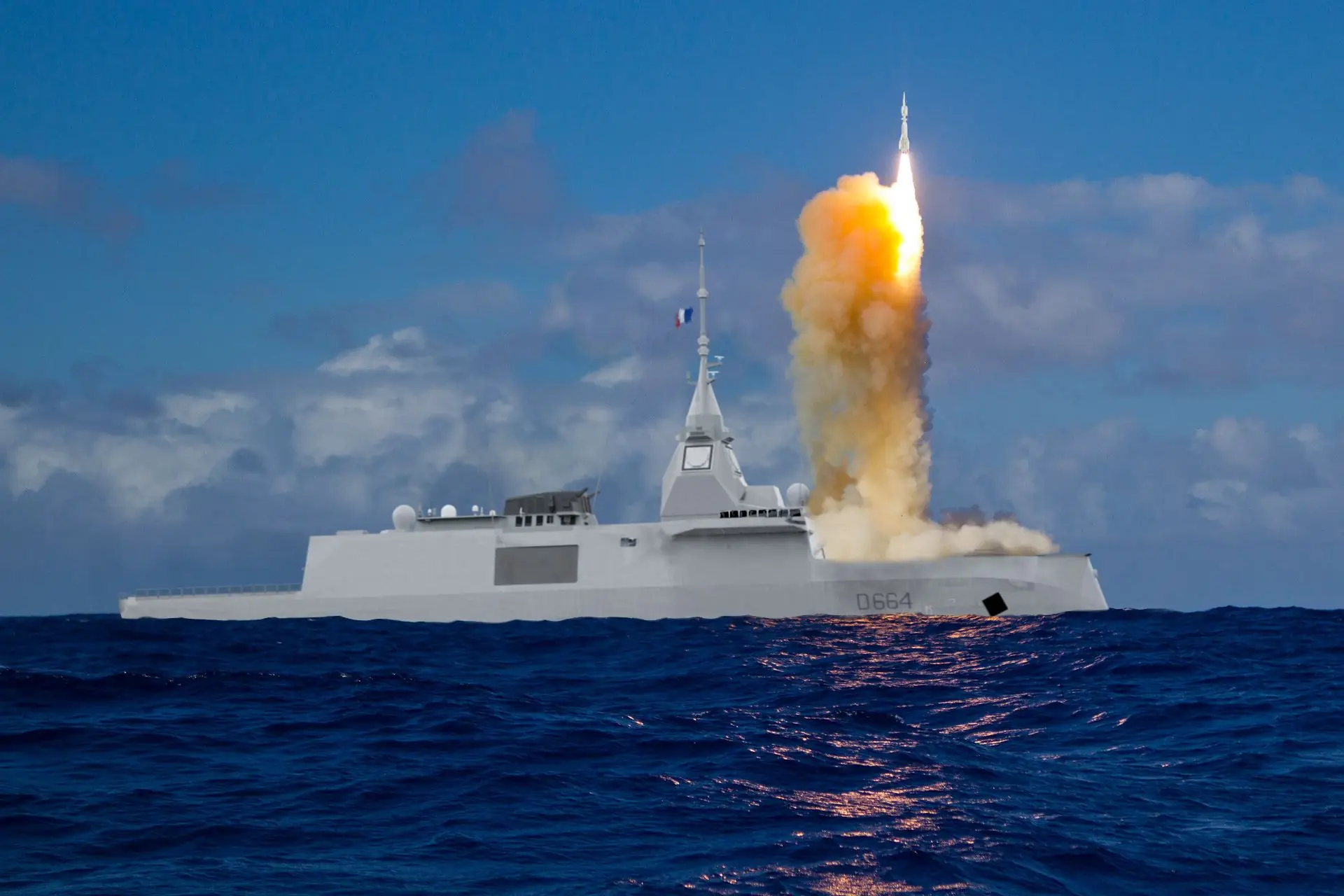
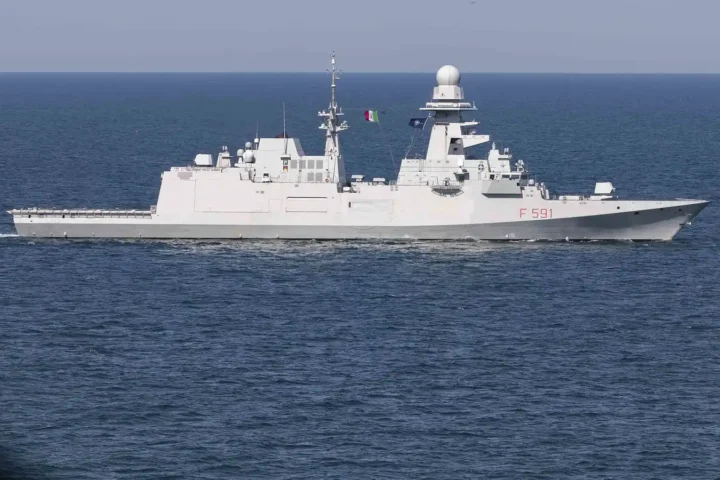
The second issue concerns the Hellenic Navy and is the most sensitive. Greece’s FDI frigates carry Aster 30 missiles from 32 vertical launch cells, together with the Sea Fire radar from the same Thales, and are the only Greek area air-defence ships. If Aselsan and Roketsan gained, through co-production, knowledge of how the Aster works and where its limits lie, Turkish industry could better design its anti-ship and electronic-warfare systems. That is why the aim for Athens is not to block every sale, something France and Italy would not readily accept. It is to ensure that such a deal does not include co-production. It is the same logic as the debate over the source code of the Achilles Shield.
The Greek answer: the Achilles Shield and diplomacy with Paris
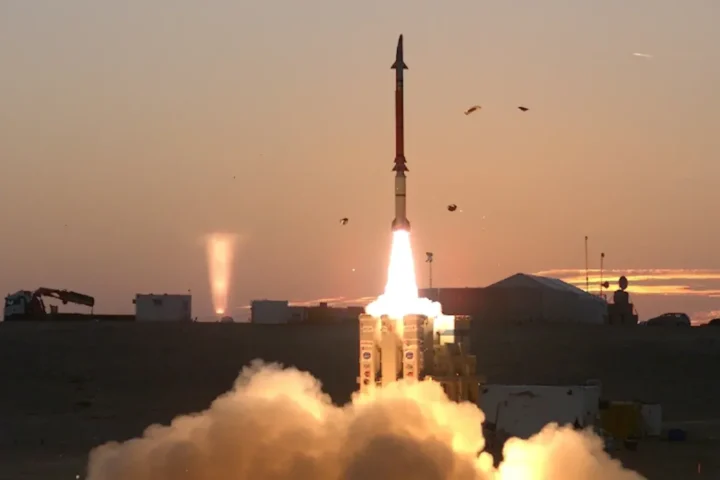
Greece does not start from a position of weakness. By the end of the decade it will have four FDI frigates with Aster 30, the Air Force’s Patriots and the multi-layered Achilles Shield with the Israeli David’s Sling, Barak MX and SPYDER. Turkey, by contrast, would be assembling its “Steel Dome” from Russian, domestic and perhaps European pieces that may not be able to “talk” to one another. The field where Athens has to act is mainly diplomatic. The 2021 Greek-French defence agreement, with its mutual assistance clause, gives Greece arguments to ask Paris, as it did over the Meteor, for explicit guarantees on what a possible Turkish order would include. We had already pointed this out in July, when Hulusi Akar put the SAMP/T alongside the S-400 and the F-35.
Eurosam’s official video of the SAMP/T systems with Aster missiles is on YouTube.
Frequently asked questions about the SAMP/T and Turkey
What is the SAMP/T NG?
It is a European long-range air-defence system from the Eurosam consortium (MBDA and Thales). It combines the Ground Fire AESA radar with the Aster 30 Block 1NT missile and engages aircraft, cruise missiles and short-range ballistic missiles.
Is Turkey buying the SAMP/T?
There is no signed agreement. Turkey is discussing with France and Italy the acquisition and co-production of the system for its “Steel Dome”. In June 2026 the deployment of an Italian SAMP/T at Konya under NATO was announced.
What is the range of the SAMP/T’s Aster 30?
According to Eurosam, the Aster 30 Block 1NT reaches Mach 4.5 and a range of more than 150 km.
Does Greece have Aster 30 missiles?
Yes. Greece’s FDI frigates carry Aster 30 missiles from 32 vertical launch cells each. Greece does not have the land-based SAMP/T system.
Why is Greece concerned about the SAMP/T in Turkey?
Because it would give Turkey a NATO-integrated anti-ballistic umbrella with a range reaching over the eastern Aegean. In addition, co-production would give Turkish industry knowledge of the Aster 30 that protects Greece’s FDI frigates.
_(1).jpg)
_Aster-30_launch.jpg)