Air Force
Jordan strikes southern Syria after the Karak church attack as Damascus denies coordination and reports seven dead
Jordan says its jets hit "terrorist sites" in south-eastern Syria after the Karak church attack; Syria says seven people died and that it was not told in advance.

Jordan’s armed forces carried out air strikes in south-eastern Syria on the evening of Monday, 26 October, three days after gunmen attacked mourners at a Greek Orthodox church in Karak. Syria says seven people were killed, including three children, and denies that the operation was coordinated with Damascus.
What Jordan said
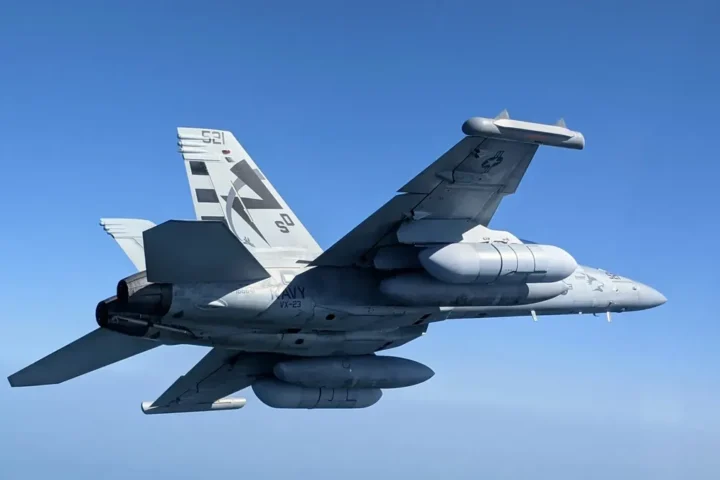
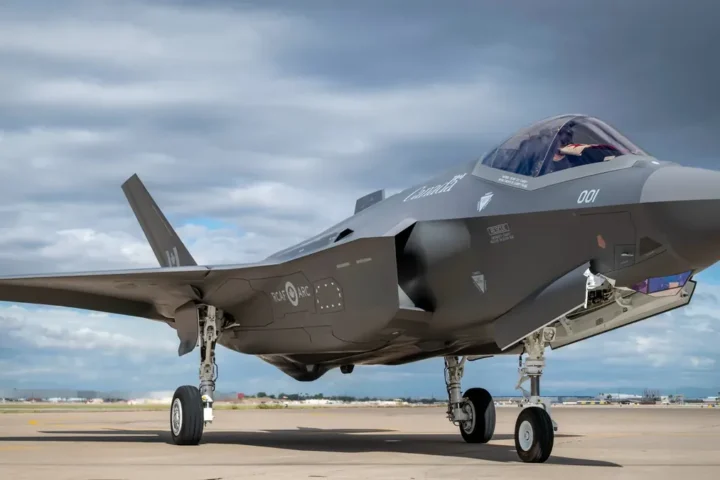
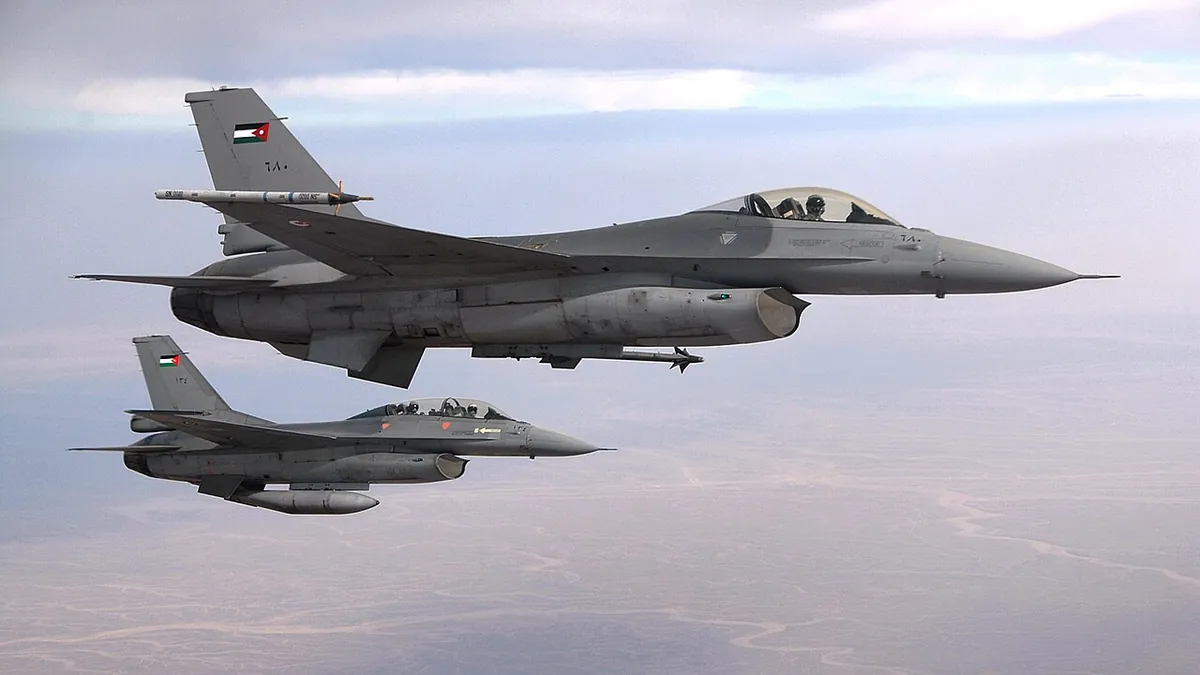
The Jordanian armed forces said on X that fighter jets of the Royal Jordanian Air Force “destroyed a number of terrorist sites in southeastern Syria”, causing the “killing and wounding of many elements of the terrorist organizations”, according to Al Jazeera. The army said the operation was conducted in coordination with Damascus and did not name the locations. The next day, Jordan said it had killed more than 20 Islamic State militants, according to a report carried by bdnews24, and Government Communication Minister Mohammed al-Momani said Jordan regretted the civilian casualties. These figures are Jordan’s own claims and have not been independently verified.
Jordan has linked the strikes to the church attack. Al Jazeera reports that Jordan said the targets were sites tied to suspects accused of being behind it. Interior Minister Mazen al-Faraya said that, as of Tuesday, there were no indications of links between the three men arrested and other cells. Our earlier report covers the arrests over the Karak attack on a Greek Orthodox church.
What Syria said
Syria’s Civil Defence said at least four sites were hit in rural Deraa and Suwayda provinces. According to Al Jazeera, an airstrike on a tent at al-Tai in Deraa killed five members of one family, a man, a woman and three children, while one strike killed an 80-year-old man in Al Shayyah and another a 60-year-old man in Shahba, in Suwayda. Syrian authorities put the total at seven dead, three of them children.
The Syrian Foreign Ministry expressed “complete reservation” over attacks carried out “without prior coordination or notification with the Syrian side”. An official told Al Jazeera the strikes were a “treacherous attack”, and the government announced an investigation. According to bdnews24, the ministry also said Damascus was coordinating with Amman and would set up a joint security committee on border security. Syrian customs closed the Nassib crossing, the only route for passengers and commercial goods between the two countries, in both directions.
Background
The Karak attack took place on Friday, 23 October, during a funeral at the church in the village of Hmoud, and killed nine people. King Abdullah II vowed the “harshest penalties” for those responsible. Accounts differ on whether any group claimed the attack: Al Jazeera reports that ISIL did, while other reporting says none has.
The two governments gave contradictory accounts of the same operation, and no independent body has yet confirmed the number or identity of those killed.