With the conflict in Ukraine in full swing and dozens of tanks being destroyed on both sides almost “every day,” questions have been raised about how useful tanks really are in today’s battlefield.
Main Battle Tanks (MBTs) remain an important feature of practically all “modern” military forces, while not being the only type of military equipment utilized and has survived from the previous century in modern warfare. Tanks, however, must be employed in conjunction with other sorts of weapons and equipment.
Quick Article Navigation
It is true that tanks have a place in modern warfare
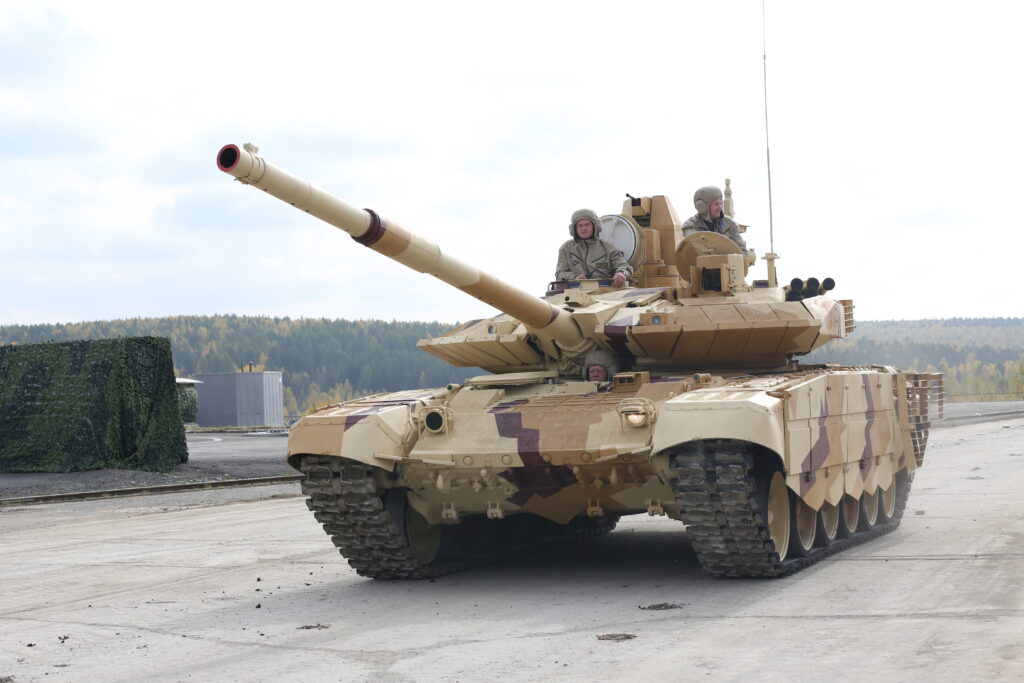
Battle tanks have strong protection and are armed with powerful weapons, allowing them to face a wide range of dangers on the battlefield. The agility they offer allows them to be deployed in various areas of the battlefield, and their imposing presence still terrifies any enemy they find in front of them.
Of course in such a rapidly changing combat environment, tanks have several limitations in their use. For example, they are easy targets for anti-tank mines and anti-tank missiles and can be expensive to maintain and operate.
The use of tanks in the past
Most consider the British Mark I, which saw action in World War I, to be the first main battle tank. Due to its strong armor and powerful weapons, the Mark I was able to effectively deal with a wide range of threats on the battlefield.
Other early tank versions include the French Renault FT and the Soviet T-34, both of which were used during World War I and World War II respectively. Tanks in both world wars played an important role in determining the outcome of military conflicts.
The threats of the modern combat environment
In “modern warfare”, main battle tanks are vulnerable to a variety of new and old dangers, including:

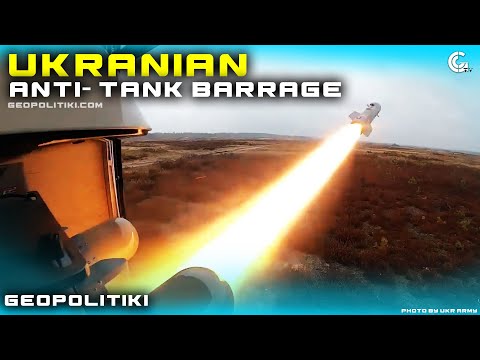
- Anti-tank missiles are capable of penetrating the armor of a tank and can be launched from a variety of platforms, including ground vehicles, helicopters and unmanned aerial vehicles (UAVs). Anti-tank missiles have been developed specifically to destroy tanks.
- Improvised Explosive Devices (IEDs): Mines and roadside bombs are two examples of IEDs that can be found in the path of a tank and, when detonated, can cause severe damage or even complete destruction of the tank.
- Artillery: Tanks can be attacked from a distance by artillery forces which for example could use rockets and mortars, making it difficult for tanks to defend themselves.
- Cyberwarfare: Tanks are now susceptible to cyberwarfare attacks as they become increasingly dependent on computer networks, and these attacks can disrupt or disable the vehicle’s electronic systems, reducing its effectiveness on the battlefield.
- Drones: A new threat to tanks that has also appeared in the Ukraine war is unmanned ordnance and small drones that target the tank’s weak points to detonate its ammunition.
Battle tanks, following developments on the battlefield, are now equipped with modern armor and active and passive protection systems, as well as a variety of sensors and other technologies to detect and defend against the threats posed by the hazards we described above.
The most modern and deadly tanks

It is difficult to determine which tank is the “best” or the most modern, because each one excels in different areas and is built in such a way to meet the unique requirements of the countries that develop them. This makes it difficult to compare between versions and types of tanks.
Some of the most modern tanks in the world today include:
- Leopard 2: One of the best and most famous tanks in the world is none other than the Leopard 2. This tank is used by many nations, including Germany, Spain, and Greece. It is known for its agility but also for its state-of-the-art defense systems in its new versions.
- M1 Abrams: The M1 Abrams is a battle tank developed by the United States Army. It is known for its advanced electronics, powerful weapons and fairly durable armor that has recently been enhanced with new self-defense systems.
- T-14 ARMATA: The Russian military is developing the T-14 Armata, which is widely regarded as one of the most advanced tanks available today as it is equipped with a number of cutting-edge capabilities, including an unmanned turret and state-of-the-art self-defense systems.
- Type 10: The Japanese military uses the Type 10, which is known for its sophisticated defense systems and highly accurate cannon.
- Merkava: The Merkava is a battle tank developed by the Israeli military and through the recent conflicts it has been involved in is renowned for its strong armor and firepower.
The vast majority of people believe that these tanks are some of the most cutting-edge and technologically advanced in the world. Still, there are a lot more tanks being made in other countries, and some of them may have the same capabilities as these.
To Sum Up

Tanks may not dominate the battlefield as much as they did in the past due to the increasing use of drones and other new technologies, which are changing the way battles are fought altogether, but they remain an important part of every military operation and maneuver.
Tell us what you think in the comments!
Copyright: It is forbidden to copy the text without permission from GEOPOLITIKI