Analysis
UNFICYP explained: the UN force in Cyprus since 1964
What UNFICYP is, why the Security Council created it in 1964, what it does along the 180 km buffer zone and what the UN itself says about 1974 and the enclaved Greek Cypriots.

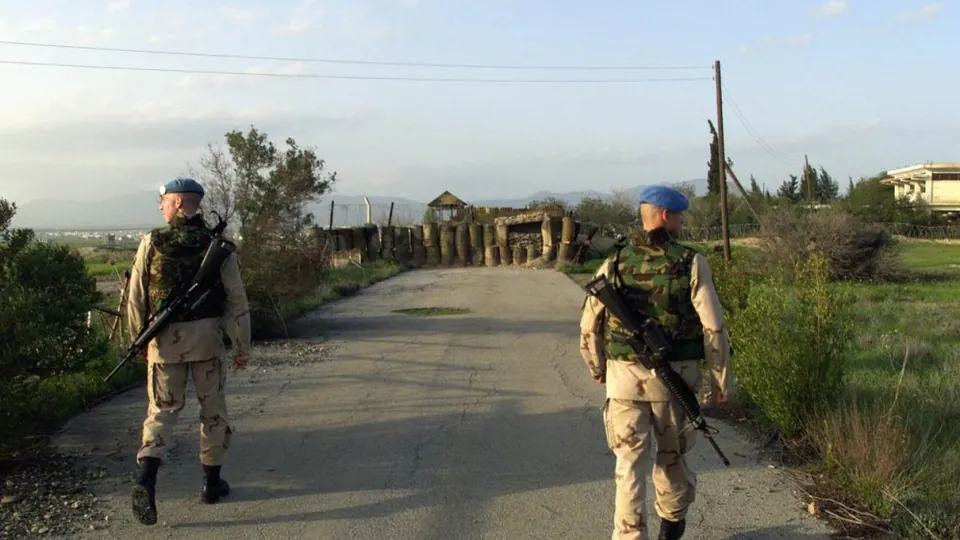
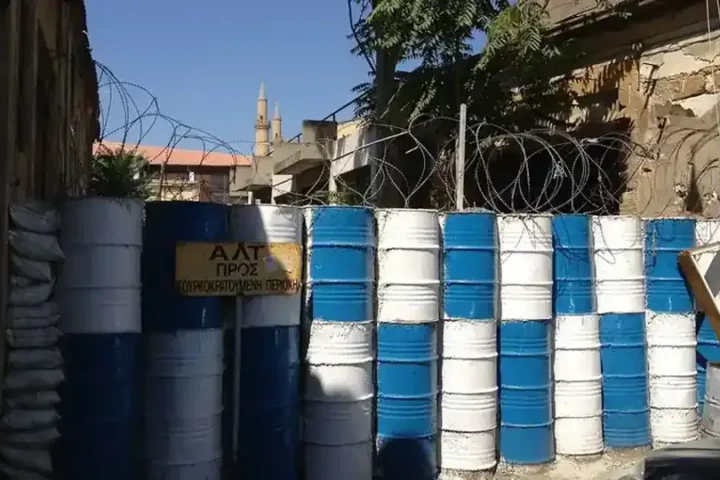
UNFICYP is the United Nations Peacekeeping Force in Cyprus, set up in 1964 after the intercommunal violence of December 1963. It is one of the longest-running UN peacekeeping missions, and today it patrols the roughly 180 km buffer zone that has divided the island since the Turkish invasion of 1974 and the occupation of its northern part.
The force returns to the news as talks on the Cyprus problem are due to resume on Monday, November 9, with Ankara still insisting on a “two-state solution” (see our report Cyprus problem: Fidan heads to the occupied territories ahead of Monday’s talks, as Ankara insists on a “two-state solution”). Behind every round of talks stands the UN line that UNFICYP keeps calm.
Key points
- UNFICYP was recommended by Security Council resolution 186 of 1964 and has been renewed ever since, according to its own website.
- After 1974 its tasks grew to include supervising the de facto ceasefire of 16 August 1974 and the buffer zone, which covers about 3 per cent of the island.
- The UN itself describes the result of the July 1974 Turkish operation as an “occupation” of the Nicosia enclave area and of Kyrenia.
- UNFICYP’s own 1995 review found that Greek Cypriots and Maronites in the north faced “very severe restrictions”.
- The Republic of Cyprus, Greece and the United Kingdom concur in the force’s renewal; Turkey and the Turkish Cypriot side have not accepted the resolution texts since 1983.
Why was UNFICYP created?
The Republic of Cyprus became independent on 16 August 1960. Its constitution rested on the Zurich and London agreements of February 1959 and on treaties signed by Cyprus, Greece, Turkey and the United Kingdom, including the Treaty of Guarantee (read our explainer Treaty of Guarantee explained: what Article IV allows and what it bans). According to the UN account, both the union of Cyprus with any other state and the partition of the island were expressly forbidden.
On 30 November 1963 President Makarios set out 13 points he wanted amended. Turkey rejected them, and violence broke out on 21 December 1963. On 24 December the Turkish national contingent of 650 left its camp and took up positions on the northern outskirts of Nicosia, and the Cyprus government charged that Turkish warplanes flew at tree-level over the island the next day.
A joint British, Greek and Turkish peacemaking force was set up on 26 December and a neutral zone, the original “green line”, was agreed in Nicosia on 30 December. The London Conference of January 1964 failed, and the Secretary-General’s representative, Lieutenant-General P S Gyani, reported a rapid deterioration with kidnappings and hostage-taking. The Security Council then adopted resolution 186 on 4 March 1964, and UNFICYP was born.
What is UNFICYP’s mandate?
Under resolution 186 the force is to use its best efforts to “prevent a recurrence of fighting”, contribute to “the maintenance and restoration of law and order” and contribute to “a return to normal conditions”. The Secretary-General reports to the Security Council and the Council has consistently renewed the mandate.
The 1974 war changed the job. UNFICYP’s history page says the mission had not foreseen “large-scale hostilities arising from action by the armed forces of one of the guarantor powers”. Later resolutions added the supervision of the ceasefire and of the buffer zone between the National Guard of the Republic and the Turkish and Turkish Cypriot forces.
What happened in 1974, according to the UN?
On 15 July 1974 the National Guard, under the direction of Greek officers, staged a coup against President Makarios. On 20 July Turkey invoked the Treaty of Guarantee and launched what UNFICYP describes as an extensive military operation on the north coast. The UN page says it “resulted eventually in the occupation” of the main Turkish Cypriot enclave north of Nicosia and of areas to its north, east and west, including Kyrenia.
The Security Council met the same day and adopted resolution 353, which, as UNFICYP summarises it, “demanded an immediate end to foreign military intervention” and requested the withdrawal of foreign military personnel not present under international agreements. Fighting resumed on 23 July after the first ceasefire, particularly around Nicosia airport, which was declared a UN protected area. The ceasefire that holds today came into effect at 18.00 on 16 August 1974.
For the wider story see Cyprus 1974 timeline: coup, Turkish invasion and UN resolutions and Cyprus problem explained: 1960, 1974 and the UN buffer zone.
How does the buffer zone work?
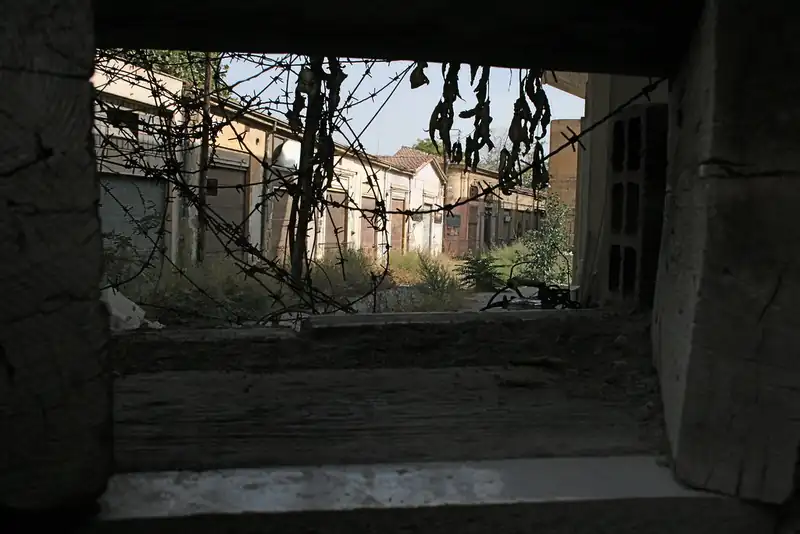
- It runs for approximately 180 km from Kato Pyrgos on the north-west coast to Dherynia on the east coast.
- Its width ranges from less than 20 metres in Nicosia to some 7 kilometres near Athienou, and it covers about 3 per cent of the island, including valuable farmland.
- It is interrupted by the British Sovereign Base Area of Dhekelia, where the UN does not operate, and it does not include Varosha, which the UN says is under the control of the Turkish military.
- More than 10,000 people live or work in villages and special civil-use areas inside it; Pyla is the only village where Greek Cypriots and Turkish Cypriots live side by side.
- UNFICYP records about 1,000 incidents there each year, ranging from name-calling to the unauthorised use of firearms.
On Varosha see Varosha explained: the fenced-off Famagusta quarter and the UN.
What does UNFICYP say about Greek Cypriots living in the north?
The force delivers supplies, pensions and welfare payments from the Cyprus government and the Cyprus Red Cross to Greek Cypriots living mostly in the Karpas peninsula, and verifies that any permanent move south is voluntary. In its 1995 humanitarian review UNFICYP found that Greek Cypriots and Maronites in the north were “the objects of very severe restrictions imposed by the Turkish Cypriot authorities”, which curtailed “many basic freedoms” and had the effect of ensuring that those communities would “cease to exist in the northern part of the island”. The legal findings on the same enclaved population are in Enclaved Greek Cypriots in Karpas explained: the ECHR findings.
Who accepts the force and who does not?
Until June 1983 all the parties told the Secretary-General they agreed to the force’s stay. After the Turkish Cypriot proclamation of 15 November 1983, which the Security Council “deplored” and considered “legally invalid”, the Government of Cyprus, Greece and the United Kingdom continued to concur in renewals. Turkey and the Turkish Cypriot community said the resolution text was unacceptable, although, the UN notes, all parties have continued to cooperate with UNFICYP in practice.
Who is on the ground today?
UNFICYP’s website lists about 802 troops on rotation, with Argentina and the United Kingdom the largest contributors, followed by Slovakia and Hungary. The Special Representative and head of mission is Khassim Diagne of Senegal, and the Force Commander is Lieutenant General Mohammad Asadullah Minhazul Alam of Bangladesh. The mandate page was last updated on 30 January 2026.
An aerial report shows how the buffer zone looks from above.
Sources
UNFICYP (UN Peacekeeping): history, mandate, buffer zone, events of summer 1974 and operations since 1974.