Analysis
Analysis: David’s Sling, the missile with no warhead that Greece brings against Turkey’s Tayfun, with Rafael’s official video
Analysis: the Stunner interceptor of David’s Sling carries no explosive warhead and destroys its target by direct impact. We look at how it works, why Greece needs a second anti-ballistic layer against Turkey’s Tayfun missiles, and what remains to be decided, with Rafael’s official video.

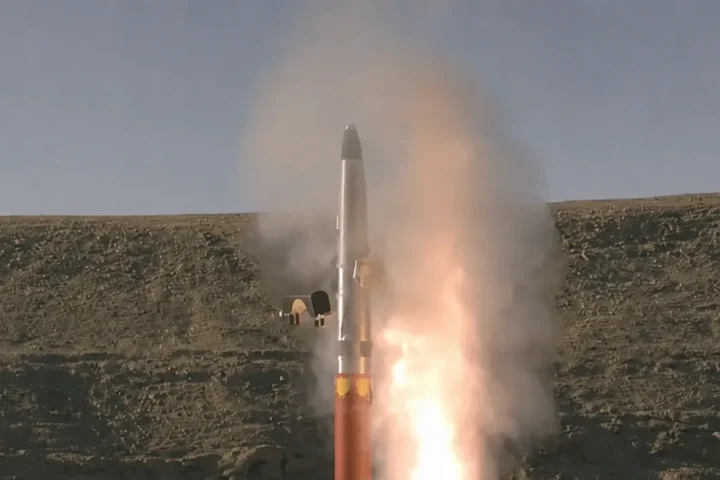
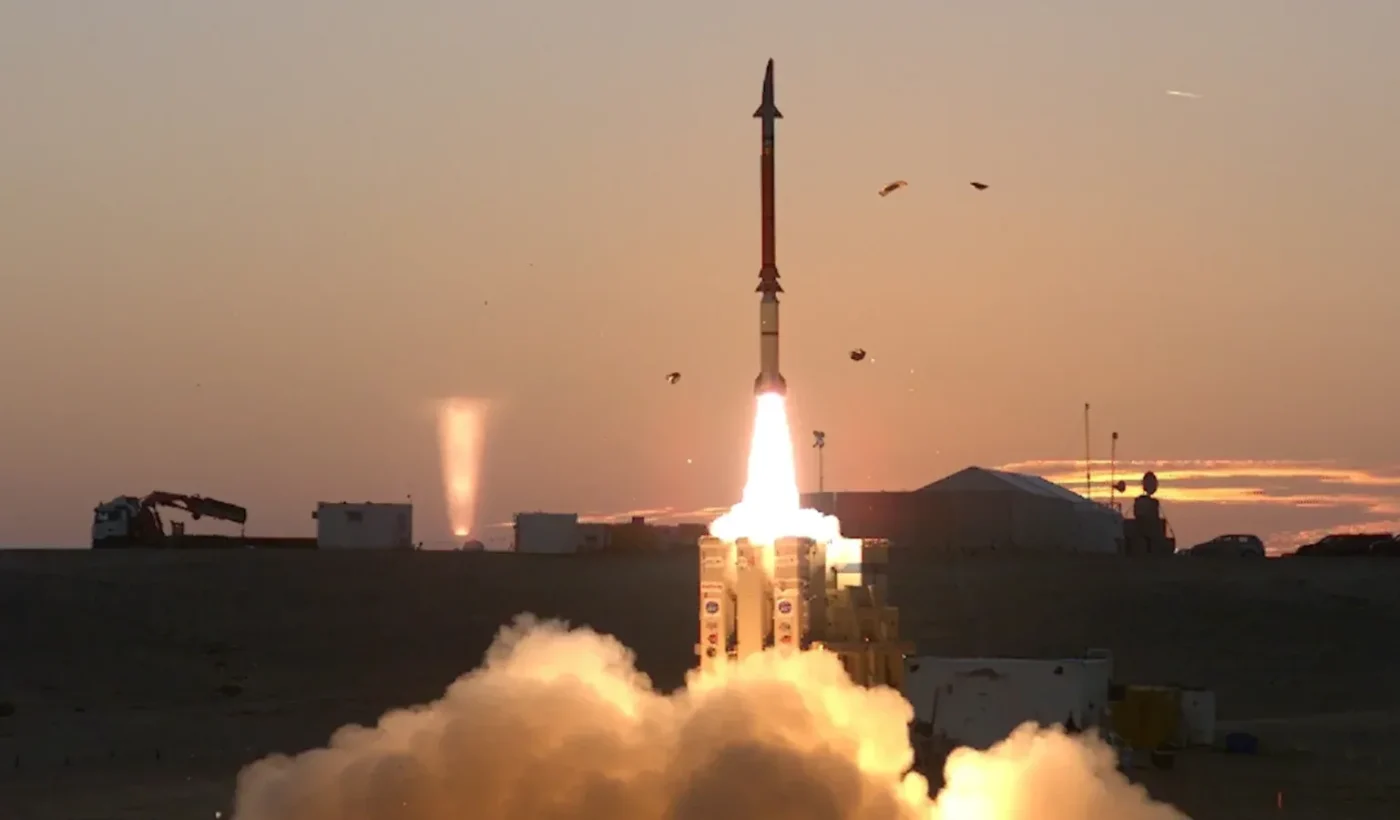
The missile of David’s Sling has no explosive warhead, and that one detail tells almost the whole story of the system. Rafael’s Stunner does not explode near its target, as most air-defence missiles do, but flies into it and destroys it with the energy of the impact. The technique is called hit-to-kill. It demands exceptional accuracy, but it is the most reliable way to destroy a ballistic missile rather than merely deflect it. This is the “upper layer” that Greece acquires with the “Achilles Shield”. It is also the answer to the category of weapon in which Turkey invests more than in any other: short-range ballistic missiles.
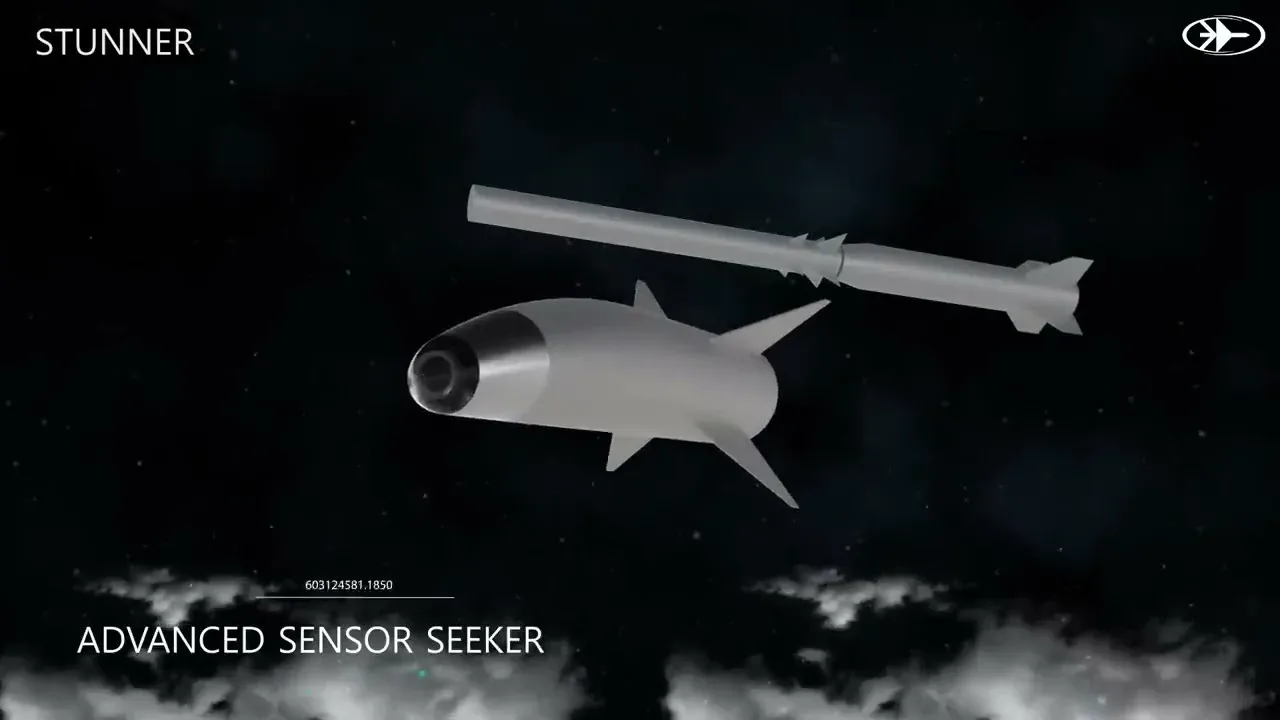
The video we present is Rafael’s official presentation of the system. It runs for about three minutes, has passed 1.6 million views on the company’s channel and uses animated graphics instead of firing footage. Rafael titles it a “next-generation air and missile defense system”. Its centrepiece is the Stunner itself, with emphasis on the advanced seeker in its nose, that is, the sensors that guide the missile to the target in the final phase. For real test footage, the company has uploaded separate, shorter videos.
The official video is on Rafael’s YouTube channel: “RAFAEL’s DAVID’s SLING Next Gen Air & Missile Defense System”.
How the Stunner works
David’s Sling was developed under Israel’s Missile Defense Organization (IMDO) in cooperation with the US Missile Defense Agency (MDA). The prime contractor is Rafael and its partner is the American Raytheon (RTX), which also builds the launchers. According to RTX, the Stunner is a two-stage missile with a multi-pulse motor and great manoeuvrability. A multi-pulse motor means the missile does not “burn” all its fuel at launch. It keeps part for the final phase, so that it can turn sharply when the target manoeuvres or changes trajectory. Published data cite a dual seeker, electro-optical/infrared and radar, and a range of up to about 300 km, although the figures vary by source and the manufacturer does not confirm them.
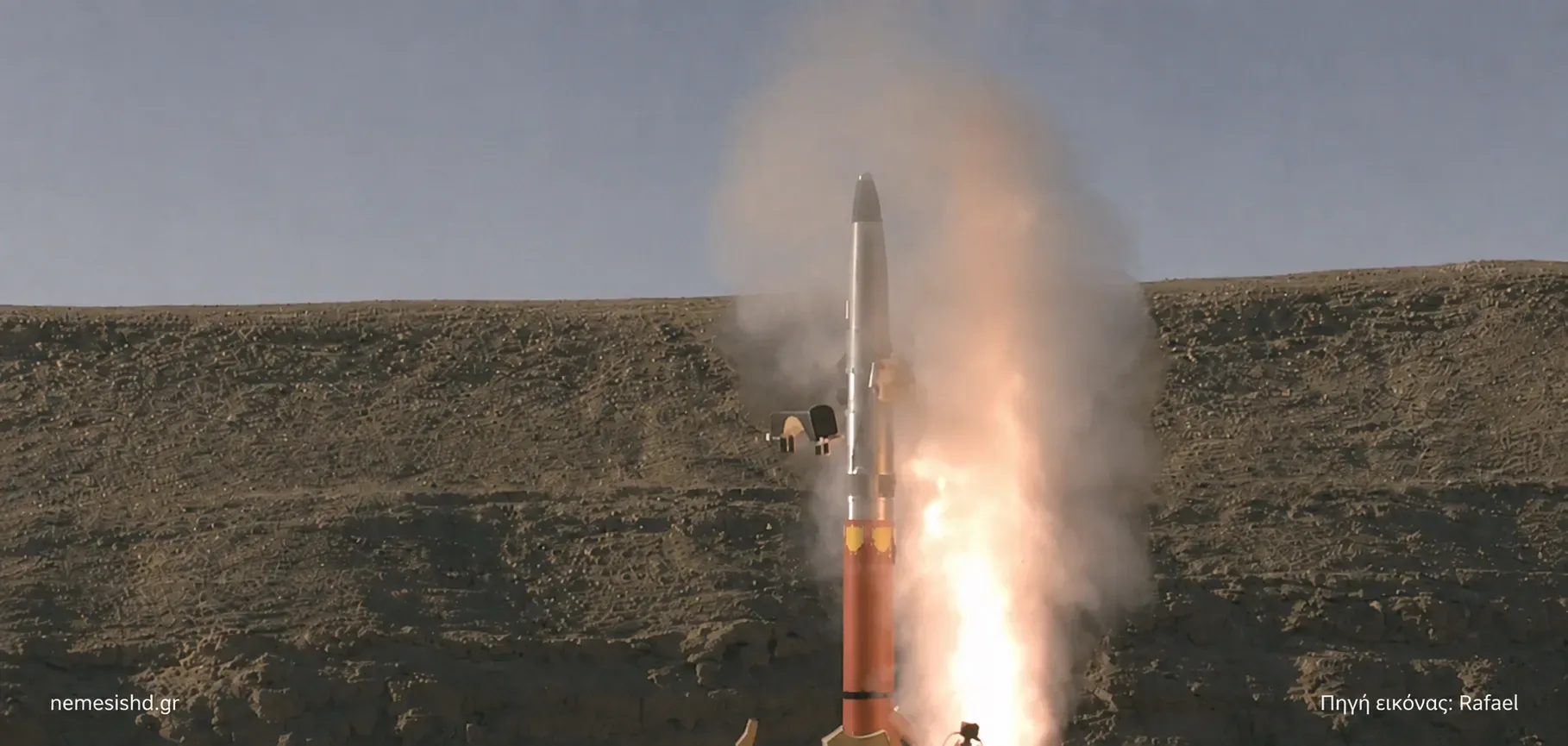
The targets the manufacturer states are tactical ballistic missiles, heavy long-range rockets, cruise missiles, aircraft and drones. In Israel the system sits in the middle of the pyramid: above Iron Dome, which deals with cheap short-range rockets, and below Arrow, which intercepts long-range ballistic missiles outside the atmosphere. It was declared operational in 2017 and was used for the first time in real combat in May 2023, against rockets from Gaza, according to JNS. That matters, because Greece is not buying a system that exists only in tests.
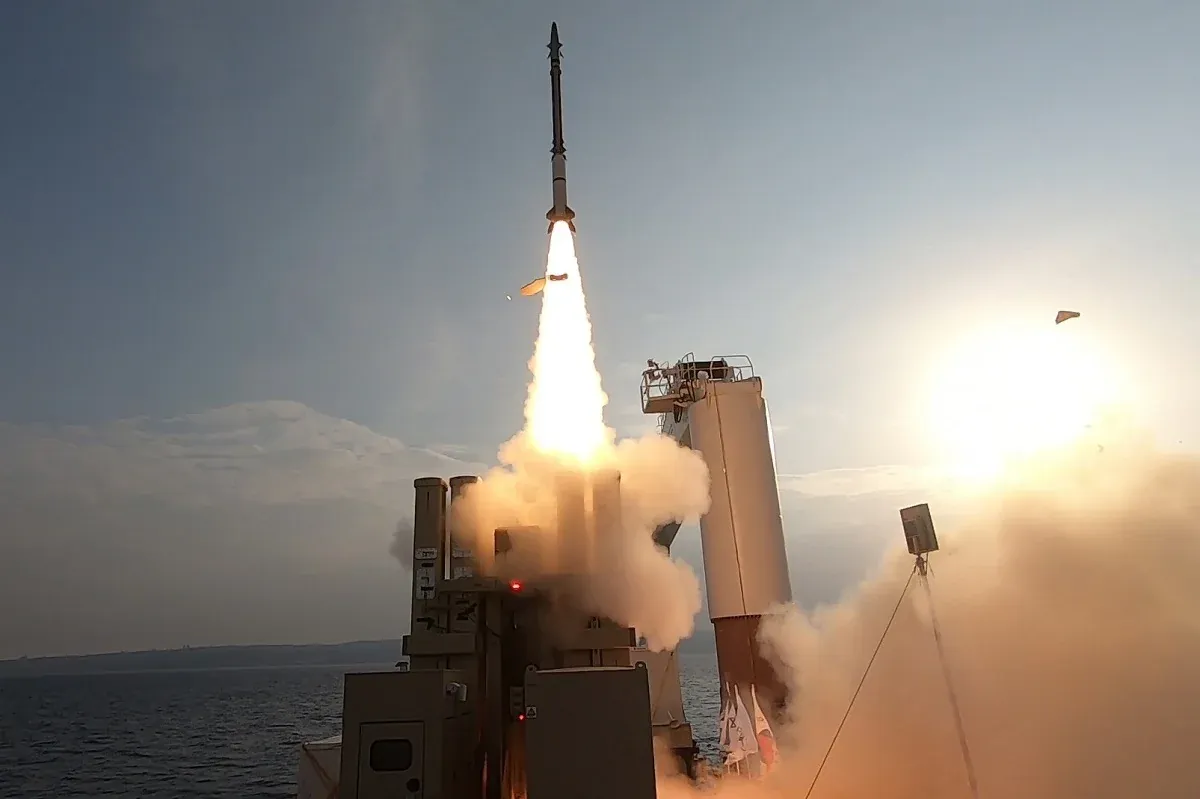
Why Greece needs it against the Tayfun
Turkey has made Roketsan’s ballistic missiles a symbol of its defence industry, with the Tayfun and its newer versions presented at every exhibition as a weapon that can reach deep into Greek territory. A short-range ballistic missile falls from a great height at very high speed, and most air-defence systems were not designed to deal with it. Today that mission in Greece is carried almost exclusively by the Hellenic Air Force’s Patriot batteries. David’s Sling adds a second anti-ballistic layer, so that the defence of critical targets does not rest on a single system and a limited stock of missiles.
The roughly EUR 3 billion intergovernmental agreement was signed in Tel Aviv on August 31, 2026 and includes David’s Sling together with the Barak MX, the SPYDER AIO and ELTA’s MMR multi-mission radars. In Europe, Greece follows Finland, which bought the system in 2023. According to press reports, David’s Sling will fill the gap left by the gradual retirement of the S-300 PMU1 on Crete. Defence Minister Nikos Dendias has spoken of a gradual replacement of the S-300s. The number of batteries and the deployment sites have not been announced.

What remains to be decided
David’s Sling will be only as useful as the network it joins. The MMR radar sees the target and the Stunner hits it, but the decision on which system engages which threat has to be taken centrally. That means full integration with the new national command-and-control system and with the Patriots. Here there is an interesting prospect. The SkyCeptor, which Raytheon proposes for Patriot launchers, derives from the Stunner. NemesisHD has explained why it could become a bridge between the two systems, although no decision on it has been taken. For the wider picture of the programme, see our analysis of the Achilles Shield.
Frequently asked questions about David’s Sling
What is David’s Sling?
It is an Israeli air and missile defence system by Rafael, developed with the American Raytheon. It engages short-range ballistic missiles, heavy rockets, cruise missiles, aircraft and drones.
How does the Stunner destroy its target?
The Stunner carries no explosive warhead. It destroys the target by direct impact (hit-to-kill). It is a two-stage missile with a multi-pulse motor.
What is the range of David’s Sling?
Published data cite a range of up to about 300 km. The figures vary by source and the manufacturer does not officially release them.
Is Greece buying David’s Sling?
Yes. It is one of the three Israeli systems of the “Achilles Shield”, together with the Barak MX and the SPYDER AIO, under the agreement of August 31, 2026. The number of batteries has not been announced.
Which other European countries have David’s Sling?
Finland bought the system in 2023. Greece is the next European country to acquire it.